
Transforming Together: Fast Forward to a Fair Future
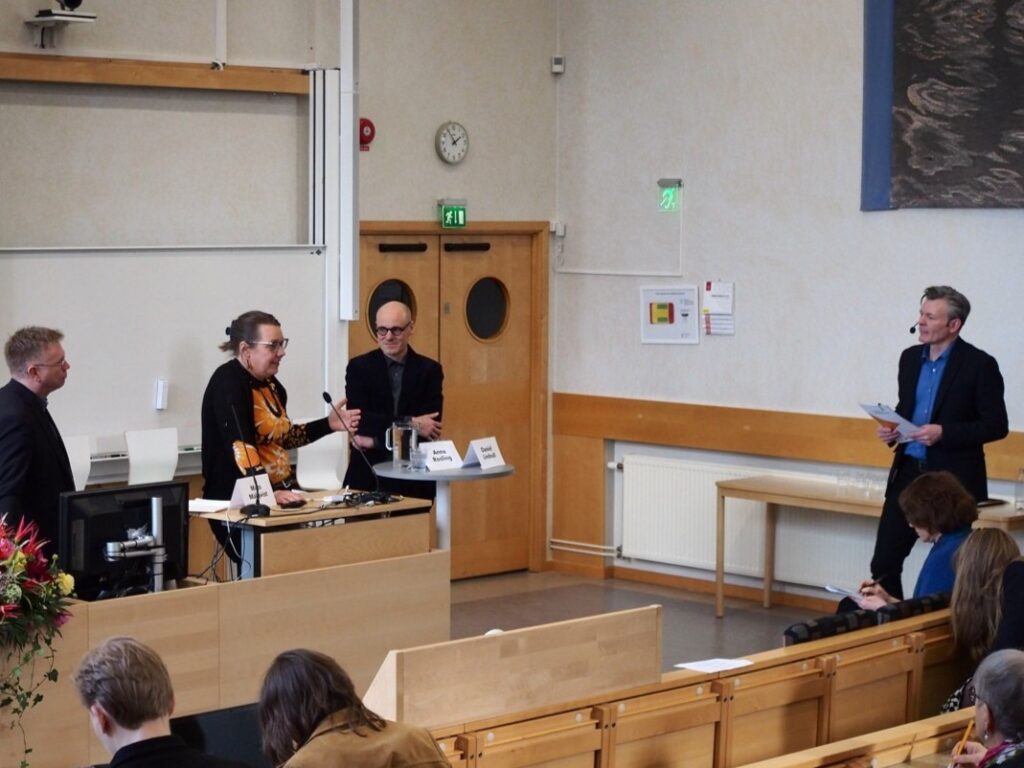
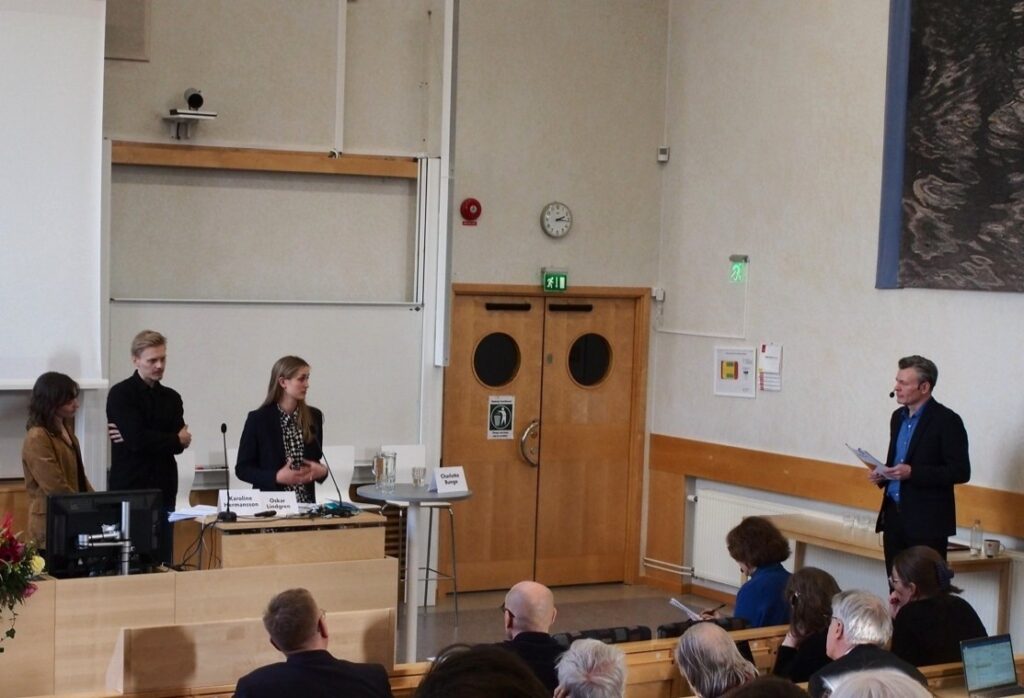
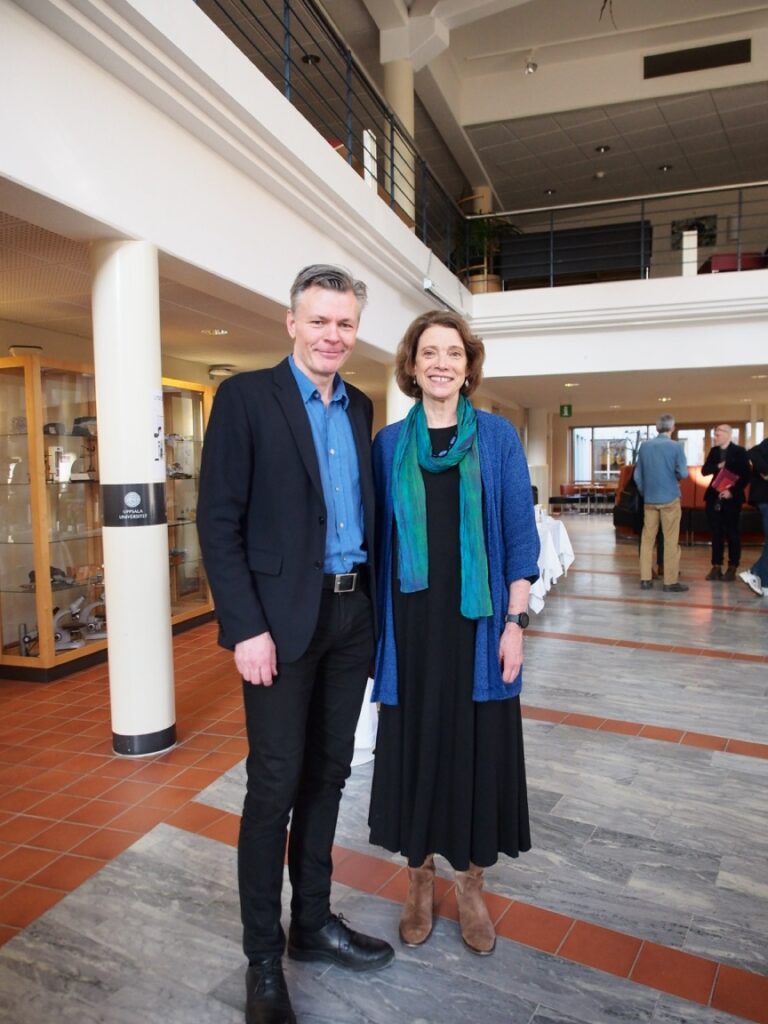
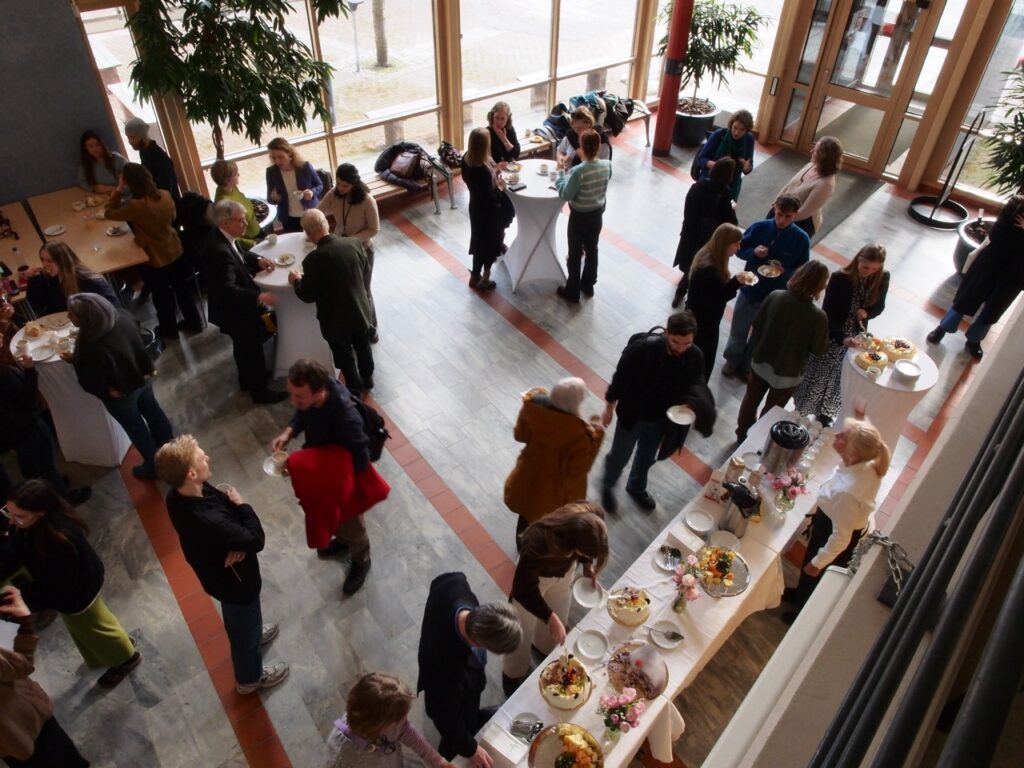
Karen O’Brien, the new Zennström Visiting Professor in Climate Change Leadership, delivered her inaugural lecture at Geocentrum, Uppsala University, on 16 March 2026. O’Brien, co-founder of cCHANGE and Professor Emerita of human geography at University of Oslo, led the audience through an inspiring account of her personal and professional journey, showing how the two have informed one another and shaped her approach to climate transformations. She brought a hopeful vision on how to bridge theory and practice for change. Her lecture, titled Scaling Transformative Change for a Just and Sustainable World, was followed by two panel discussions, moderated by Associate Professor Mikael Karlsson. The panel discussions featured both senior and early‑career researchers from Uppsala University and opened up engaging conversations that we hope will continue during O’Brien’s visiting professorship.
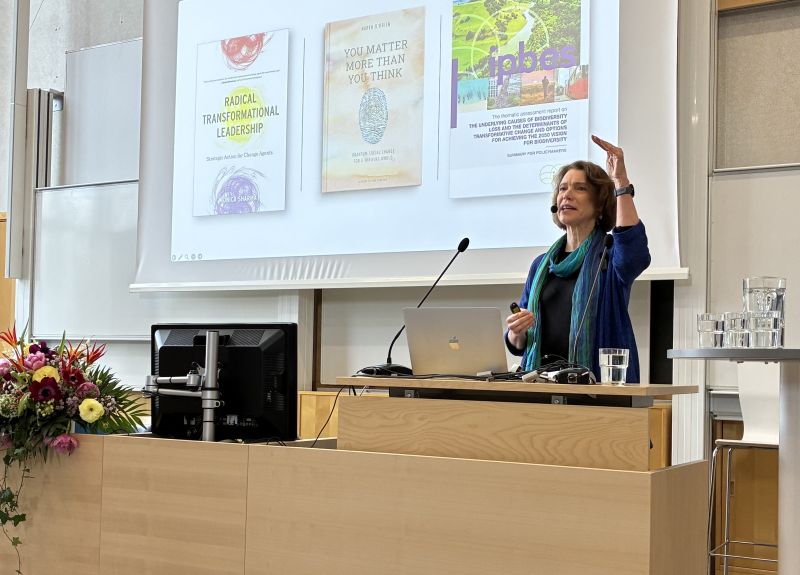
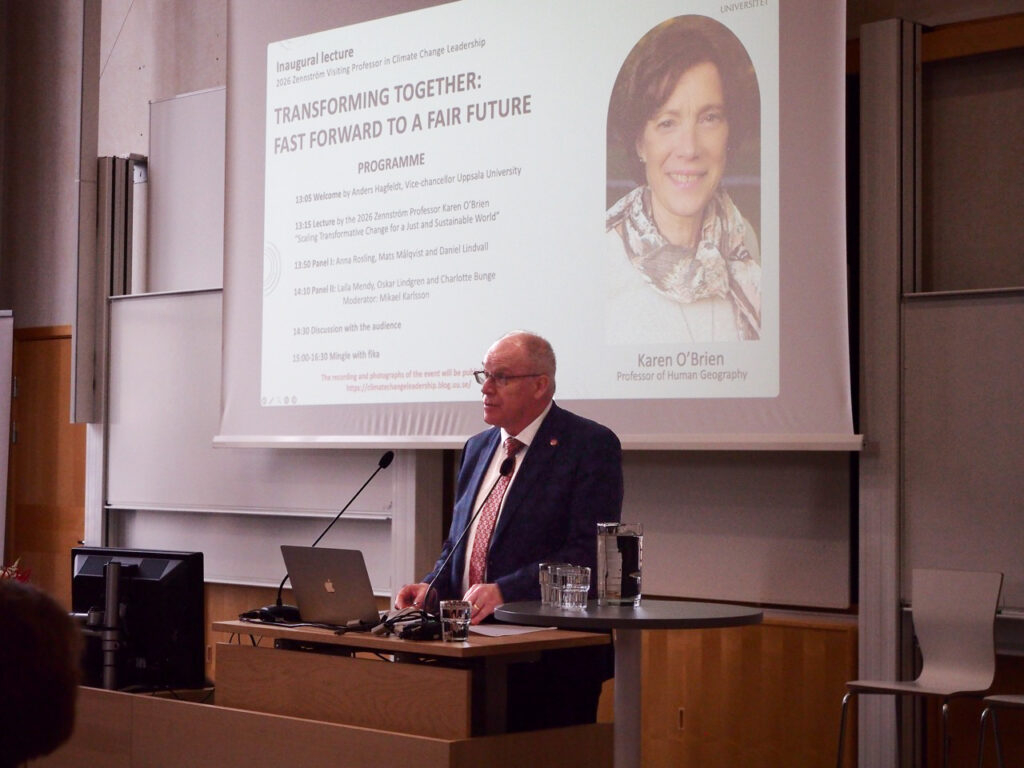
Scaling Transformative Change for a Just and Sustainable World
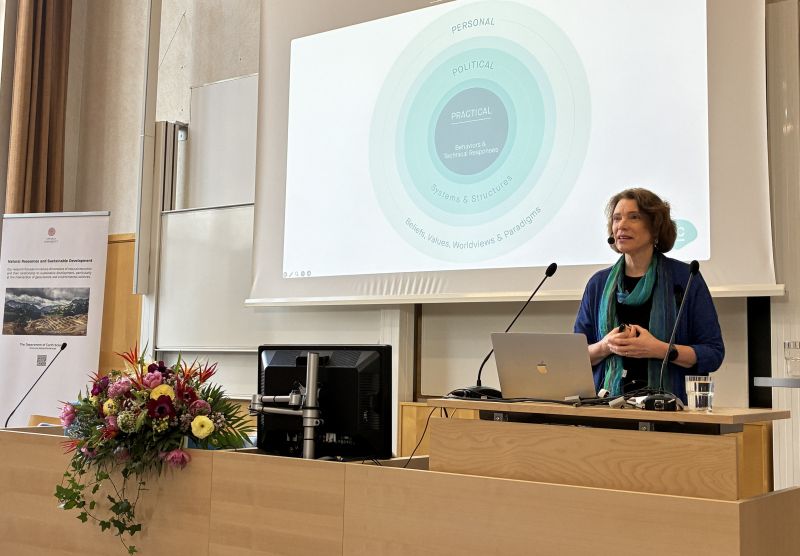
“How do we rapidly scale transformative change for a just and sustainable world? And how do we do this in an ethical and equitable manner? For me this means looking at the relationship between individual change, collective change and systems change. Why we – all of us – matter when it comes to this change.”
Karen O’Brien in her inaugural lecture
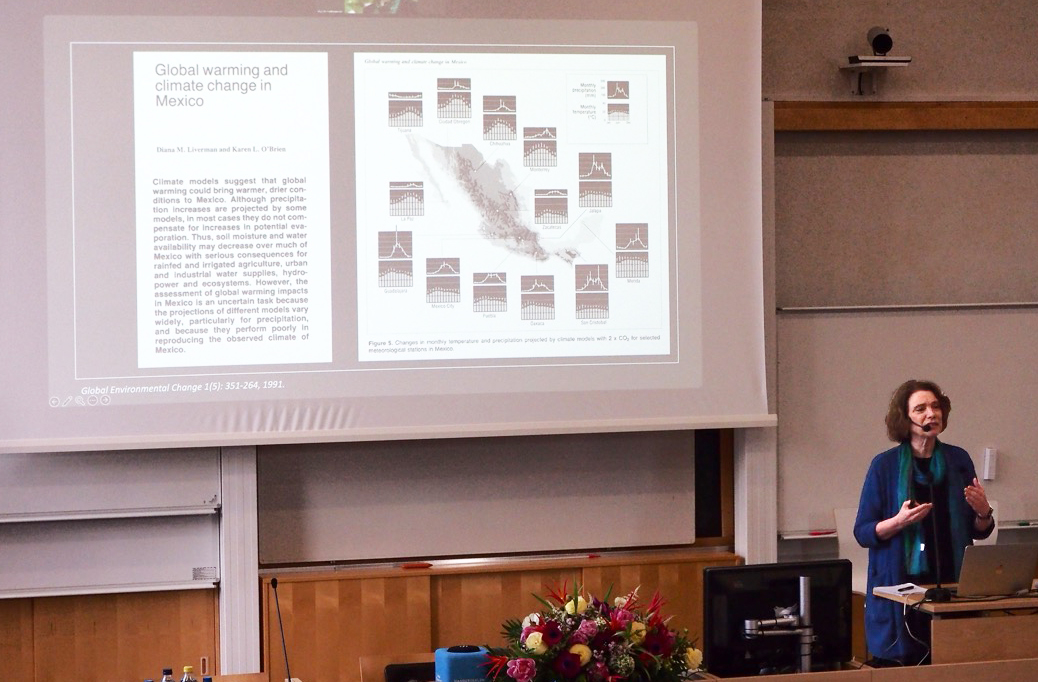
Climate Research and the Question of Scale
From the beginning of O’Brien’s career, when she studied the impacts of climate change in Mexico, scale has been a continuous theme running through her research. Early on, she noticed the disconnect between the large scale and the small scale in climate science, including how local deforestation interacts with global climate change. This drew her toward examining the relationships between human and natural systems in the Chiapas region, showing how deforestation and local social struggles were closely intertwined.
Resilience, Globalization and Double Exposure
Later on, when O’Brien’s personal life brought her to Norway, she suddenly found herself in a country often described as highly resilient to climate change, and in some ways even a net beneficiary, with milder weather and longer agricultural seasons. This raised a central question for her: Is Norway actually resilient to climate change? As she argued, the answer depends entirely on scale, where you are, what you do, and which systems support your wellbeing and way of life. From a global perspective, Norway is considered relatively resilient compared to other countries, yet this perceived adaptability can easily slip into a dangerous complacency, and risks missing sight of the uneven distribution of benefits and risk, in Norway and beyond. Again, the question of scale was central.
It was during this period that O’Brien began to focus more closely on the differentiated social capacity to adapt to climate change, and tying the effects of climate change together with economic globalization. Bringing these two trends together, she showed together with Robin M. Leichenko how their combined effects systemically create distinct Winners and Losers in the Context of Global Change. What emerged from this work was a recognition that these vulnerabilities are not accidental but systemic, shaped by where people are positioned within broader social, economic, political, and environmental systems and how global trends are interlinked.
From Adaptation to Transformation
O’Brien stressed that climate change is not a technical problem but an adaptive challenge – one that requires us to think, behave, and act differently. Our responses are shaped by our values, worldviews, and underlying paradigms, which influence how we understand climate change, how we choose to address it, and what actions we see as possible at different scales. Because human activity is altering global systems, she argued, it also means we have the capacity to change them deliberately.
The most significant form of adaptation, then, is transformation: recognizing that we are capable of changing large-scale systems like the climate, and that we can therefore intentionally transform the economic, social, and political systems that drive those changes. She describes this as adaptation as deliberate transformation to sustainability, something reflected, for example, in her recent book You Matter More Than You Think and in the IPBES Transformative Change Assessment, which she co-led.
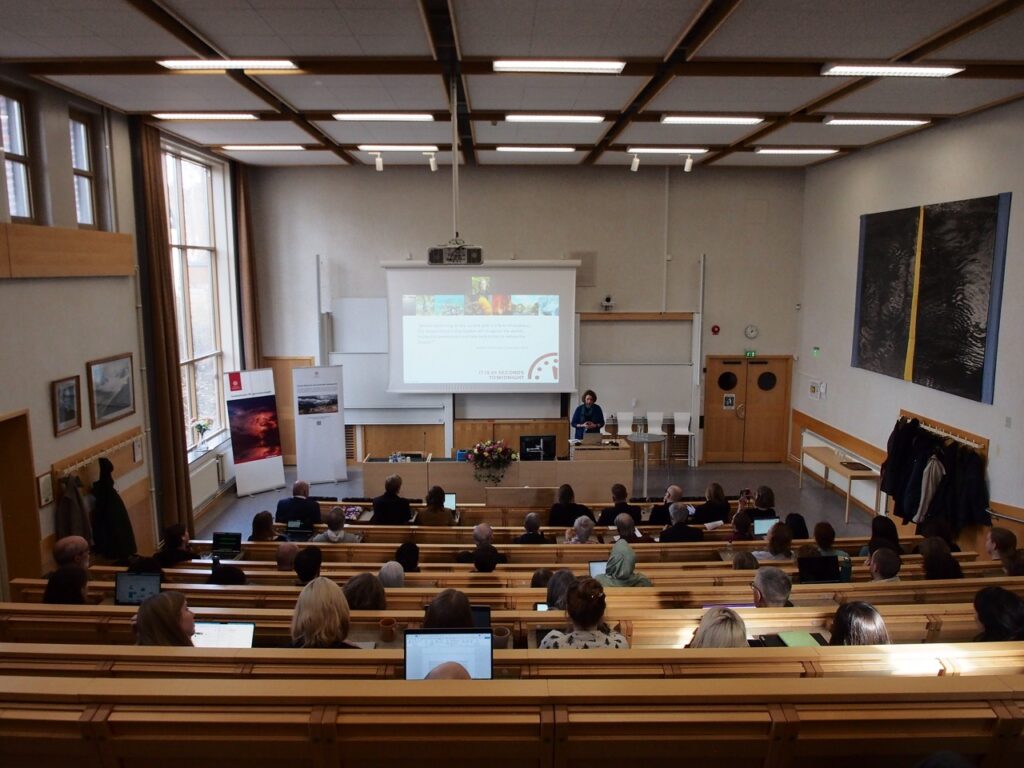
Fractal Change, Agency and the Three Spheres
O’Brien closed her lecture with the idea of fractal transformation and the need to connect the practical, political, and personal spheres of change. Practical actions, behaviours and technical responses, such as installing solar panels or setting sustainability goals, are of course important, but they remain insufficient without corresponding shifts in the political sphere, where systems, institutions, norms, and incentives are shaped and contested. At the same time, the personal sphere, our beliefs, values, worldviews, and paradigms, is often overlooked, even though it deeply influences how individuals perceive systems and exercise agency within them. When these spheres – and scales – are treated separately, we end up with fragmented responses to interconnected challenges.
Instead, O’Brien proposed a fractal approach rooted in universal values such as dignity, equity, fairness, and integrity, values that can guide action across all scales. People must be understood as subjects of change, not objects to be changed, and we need to stop underestimating our collective capacity for transformation. Even small shifts matter: it is often said that around 10% of a population can tip social norms. Through quantum social change, fractal agency, and value‑driven action, she argued, fair and non‑linear transformations toward sustainability are possible.
O’Brien will continue her research and other activities on this approach while at Uppsala University until February 2027.

Thank you to Jayne Glass for her great suggestions on the text in this blogpost.