Inaugural Lecture Karen O’Brien

Transforming Together: Fast Forward to a Fair Future

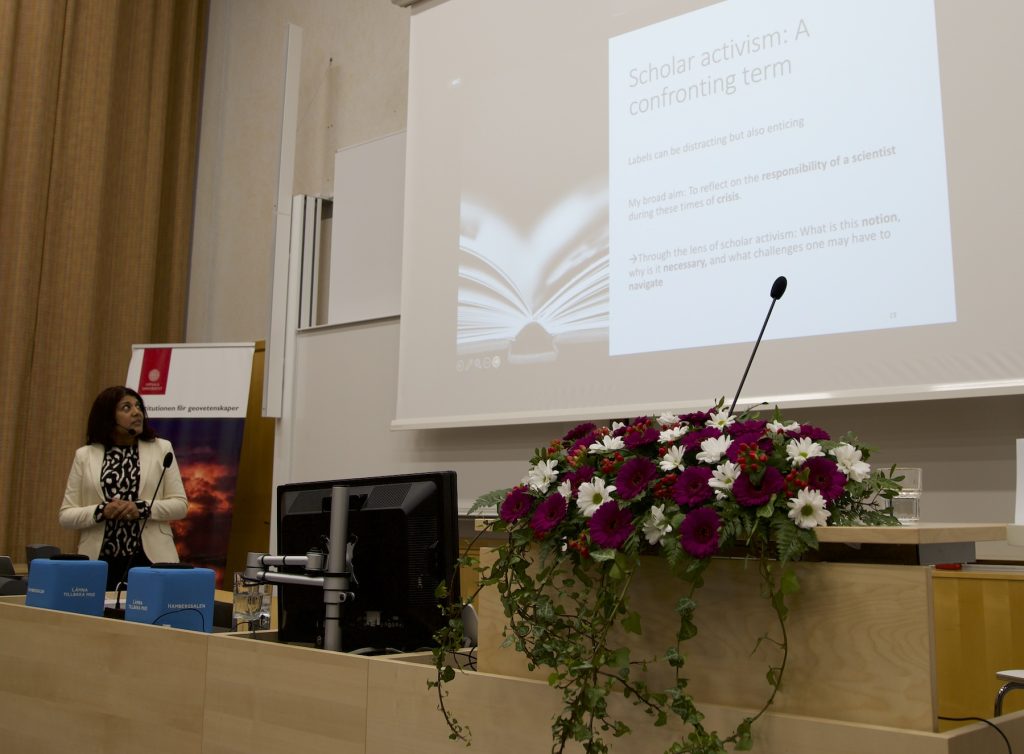
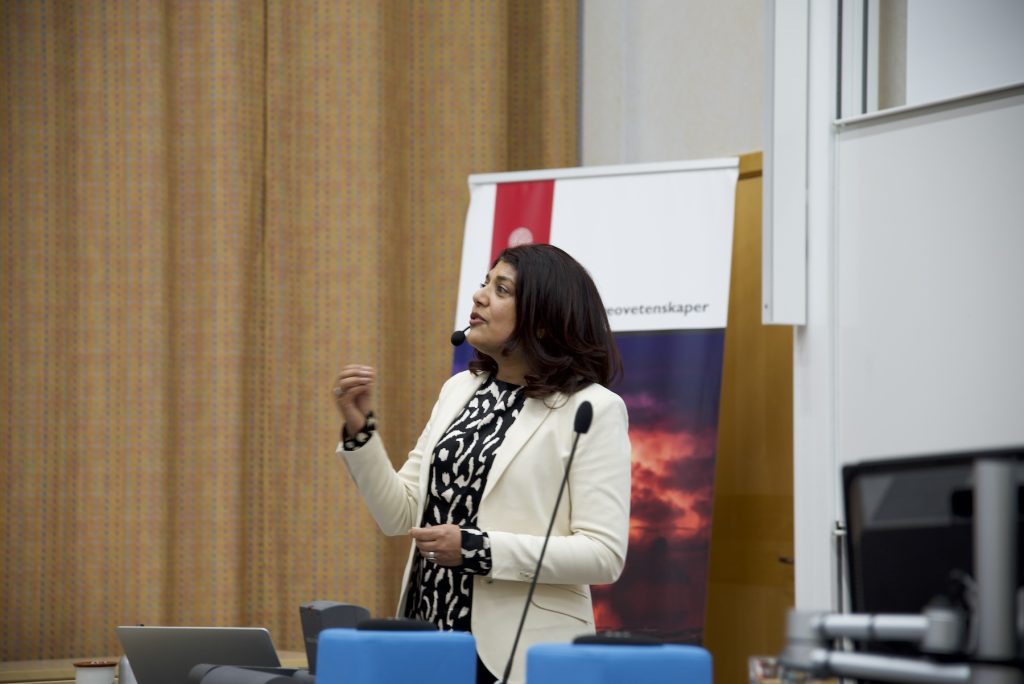
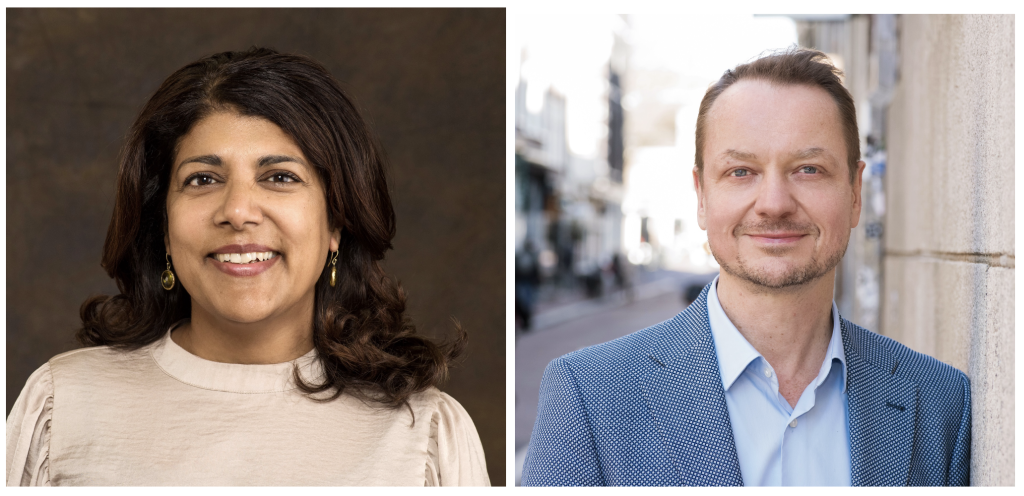
Karen O’Brien, the new Zennström Visiting Professor in Climate Change Leadership, delivered her inaugural lecture at Geocentrum, Uppsala University, on 16 March 2026. O’Brien, co-founder of cCHANGE and Professor Emerita of human geography at University of Oslo, led the audience through an inspiring account of her personal and professional journey, showing how the two have informed one another and shaped her approach to climate transformations. She brought a hopeful vision on how to bridge theory and practice for change. Her lecture, titled Scaling Transformative Change for a Just and Sustainable World, was followed by two panel discussions, moderated by Associate Professor Mikael Karlsson. The panel discussions featured both senior and early‑career researchers from Uppsala University and opened up engaging conversations that we hope will continue during O’Brien’s visiting professorship. 
Below is a summary of the lecture. The full event recording is available at the end of this blogpost.
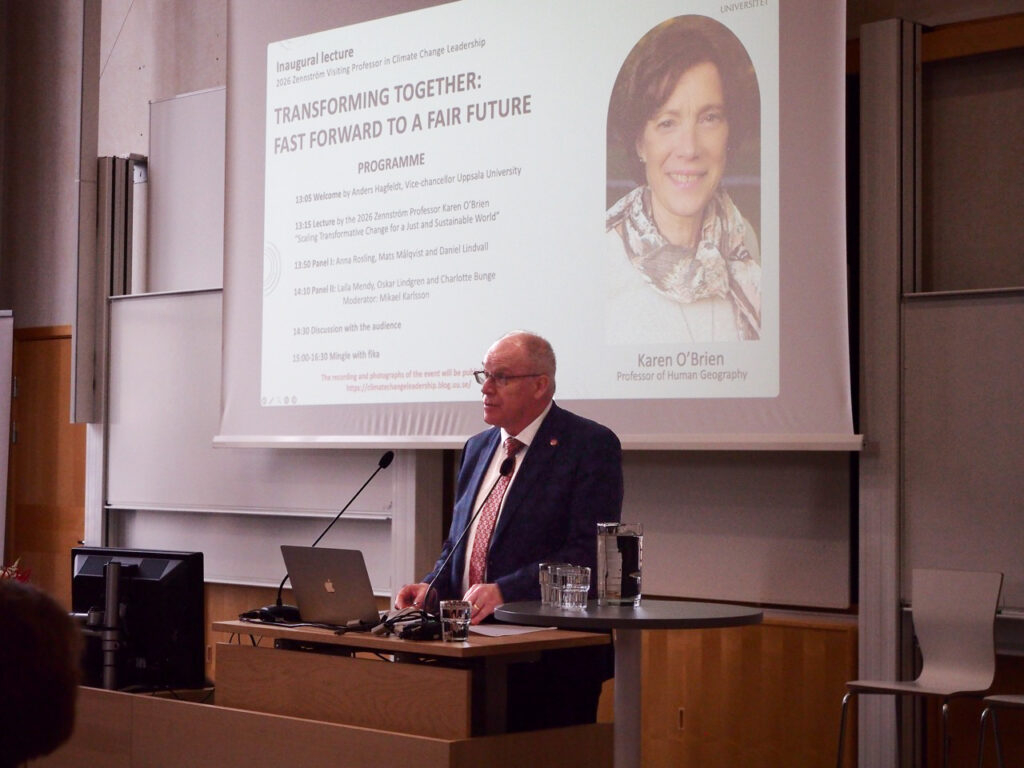
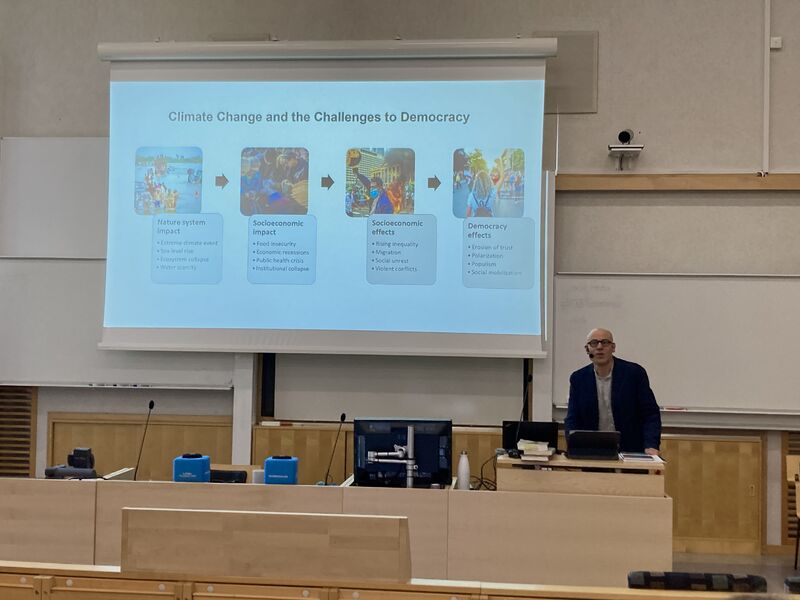
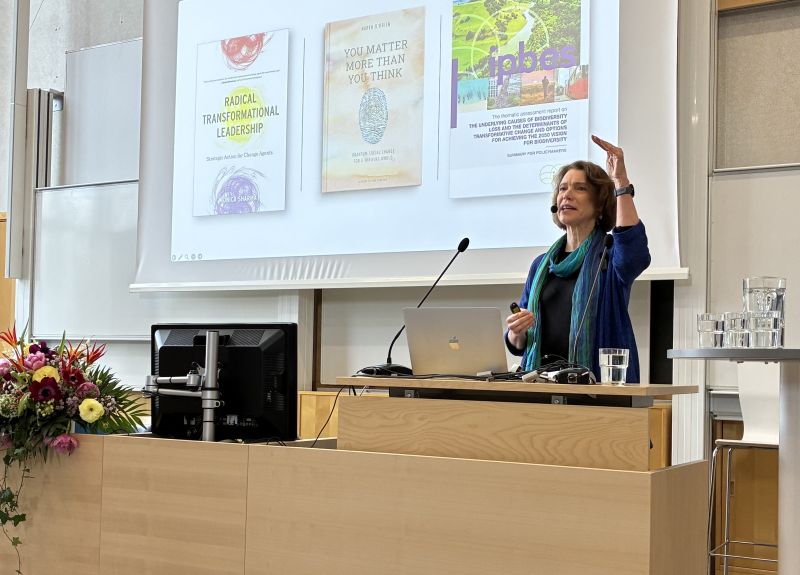
Karen O’Brien during her lecture. Photo by Judith Lundberg-Felten

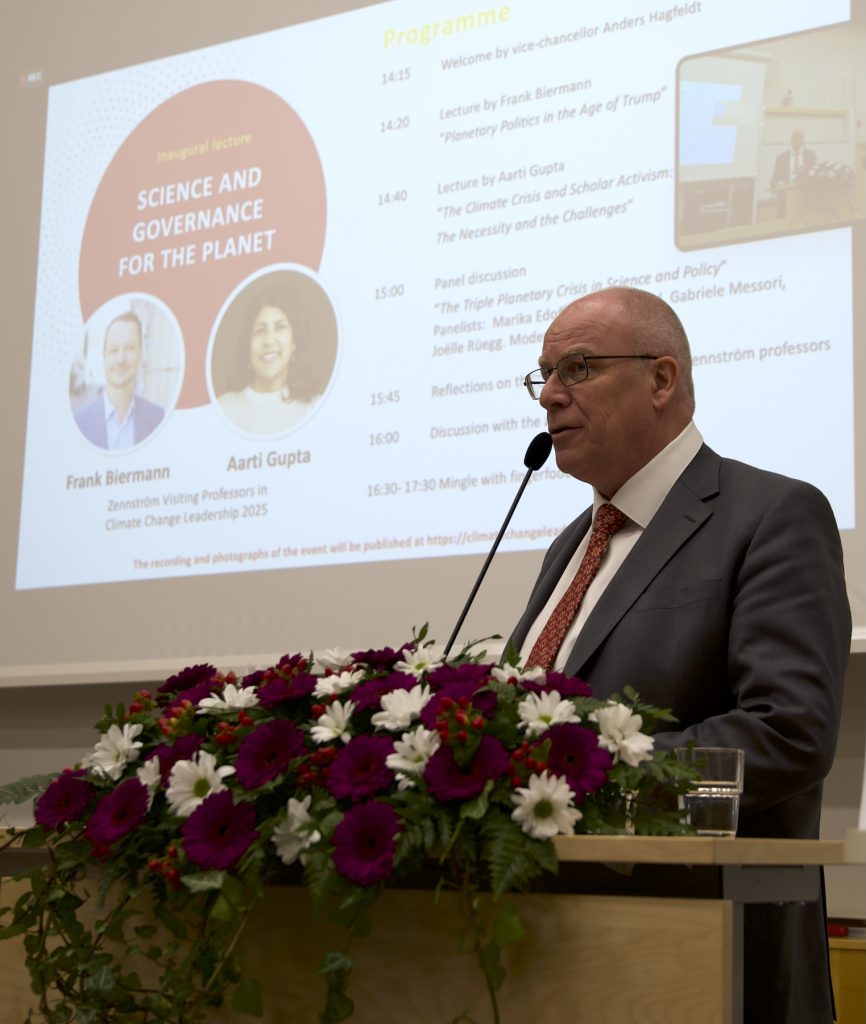
Opening the event, Vice-Chancellor Anders Hagfeldt underscored that climate change remains a non‑negotiable global threat despite shifting political tides and geopolitical uncertainties. Photo by Emma Löfgren

Scaling Transformative Change for a Just and Sustainable World

“How do we rapidly scale transformative change for a just and sustainable world? And how do we do this in an ethical and equitable manner? For me this means looking at the relationship between individual change, collective change and systems change. Why we – all of us – matter when it comes to this change.”

Karen O’Brien in her inaugural lecture
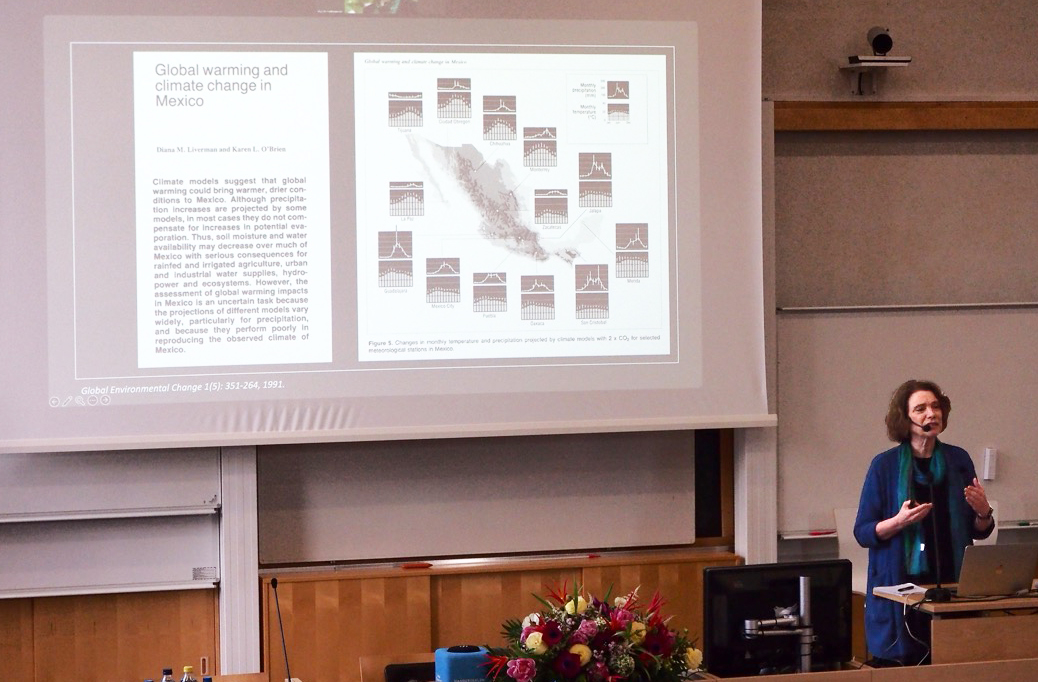
Photo by Emma Löfgren

Climate Research and the Question of Scale

From the beginning of O’Brien’s career, when she studied the impacts of climate change in Mexico, scale has been a continuous theme running through her research. Early on, she noticed the disconnect between the large scale and the small scale in climate science, including how local deforestation interacts with global climate change. This drew her toward examining the relationships between human and natural systems in the Chiapas region, showing how deforestation and local social struggles were closely intertwined.

Resilience, Globalization and Double Exposure

Later on, when O’Brien’s personal life brought her to Norway, she suddenly found herself in a country often described as highly resilient to climate change, and in some ways even a net beneficiary, with milder weather and longer agricultural seasons. This raised a central question for her: Is Norway actually resilient to climate change? As she argued, the answer depends entirely on scale, where you are, what you do, and which systems support your wellbeing and way of life. From a global perspective, Norway is considered relatively resilient compared to other countries, yet this perceived adaptability can easily slip into a dangerous complacency, and risks missing sight of the uneven distribution of benefits and risk, in Norway and beyond. Again, the question of scale was central.

It was during this period that O’Brien began to focus more closely on the differentiated social capacity to adapt to climate change, and tying the effects of climate change together with economic globalization. Bringing these two trends together, she showed together with Robin M. Leichenko how their combined effects systemically create distinct Winners and Losers in the Context of Global Change. What emerged from this work was a recognition that these vulnerabilities are not accidental but systemic, shaped by where people are positioned within broader social, economic, political, and environmental systems and how global trends are interlinked.

From Adaptation to Transformation 

O’Brien stressed that climate change is not a technical problem but an adaptive challenge – one that requires us to think, behave, and act differently. Our responses are shaped by our values, worldviews, and underlying paradigms, which influence how we understand climate change, how we choose to address it, and what actions we see as possible at different scales. Because human activity is altering global systems, she argued, it also means we have the capacity to change them deliberately.

The most significant form of adaptation, then, is transformation: recognizing that we are capable of changing large-scale systems like the climate, and that we can therefore intentionally transform the economic, social, and political systems that drive those changes. She describes this as adaptation as deliberate transformation to sustainability, something reflected, for example, in her recent book You Matter More Than You Think and in the IPBES Transformative Change Assessment, which she co-led.
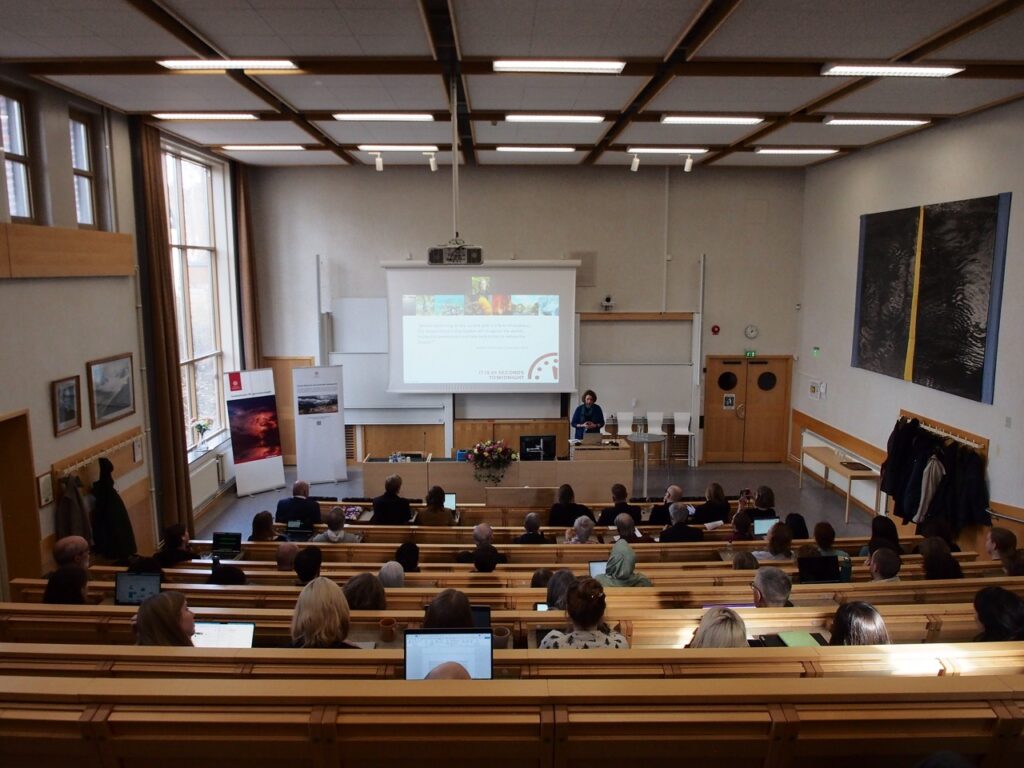
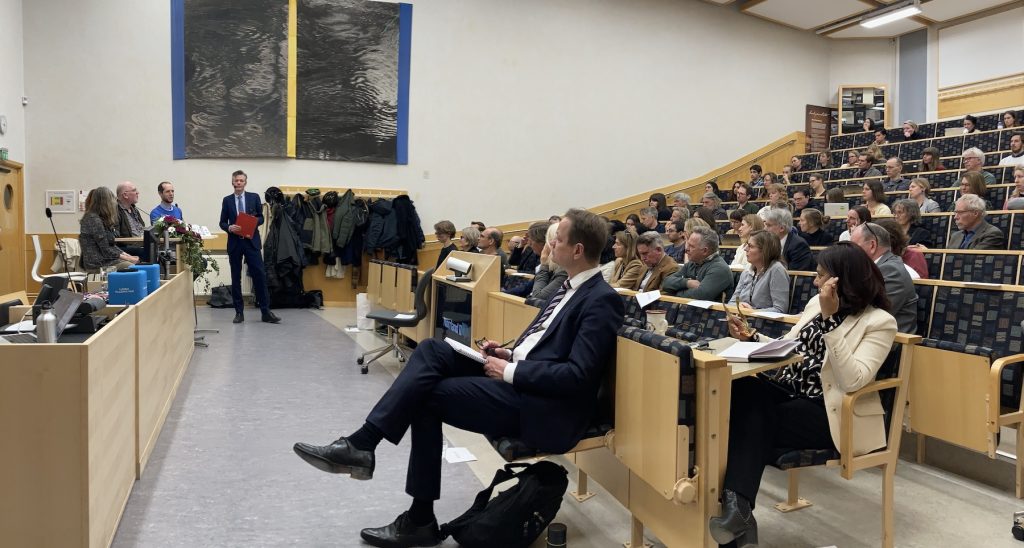
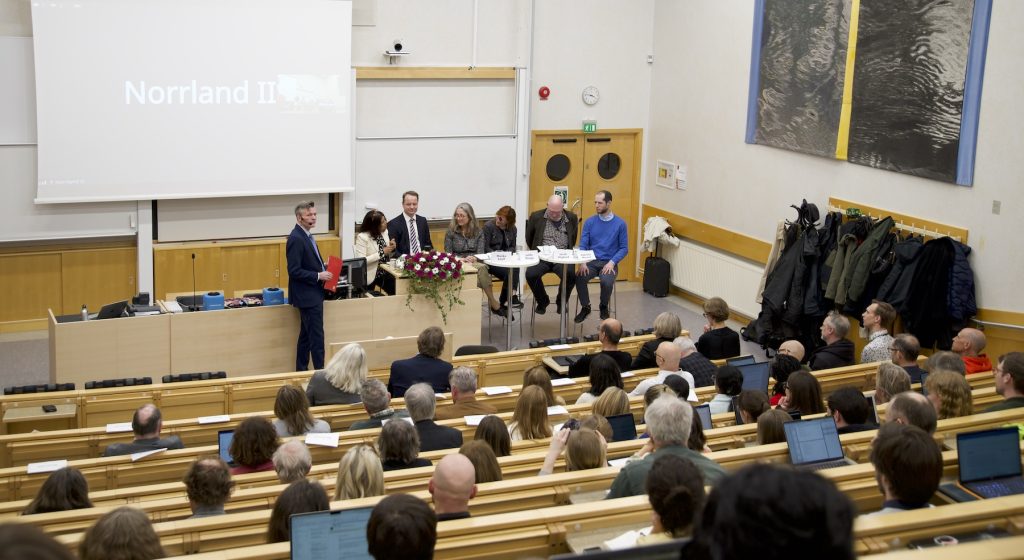
The inaugural lecture took place at Hambergsalen, Geocentrum. Photo by Emma Löfgren

Fractal Change, Agency and the Three Spheres 

O’Brien closed her lecture with the idea of fractal transformation and the need to connect the practical, political, and personal spheres of change. Practical actions, behaviours and technical responses, such as installing solar panels or setting sustainability goals, are of course important, but they remain insufficient without corresponding shifts in the political sphere, where systems, institutions, norms, and incentives are shaped and contested. At the same time, the personal sphere, our beliefs, values, worldviews, and paradigms, is often overlooked, even though it deeply influences how individuals perceive systems and exercise agency within them. When these spheres – and scales – are treated separately, we end up with fragmented responses to interconnected challenges.

Instead, O’Brien proposed a fractal approach rooted in universal values such as dignity, equity, fairness, and integrity, values that can guide action across all scales. People must be understood as subjects of change, not objects to be changed, and we need to stop underestimating our collective capacity for transformation. Even small shifts matter: it is often said that around 10% of a population can tip social norms. Through quantum social change, fractal agency, and value‑driven action, she argued, fair and non‑linear transformations toward sustainability are possible. 

O’Brien will continue her research and other activities on this approach while at Uppsala University until February 2027.
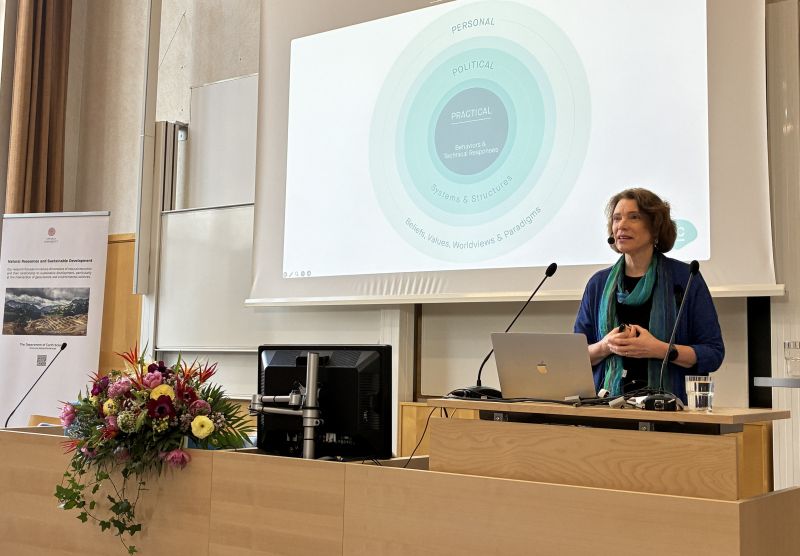
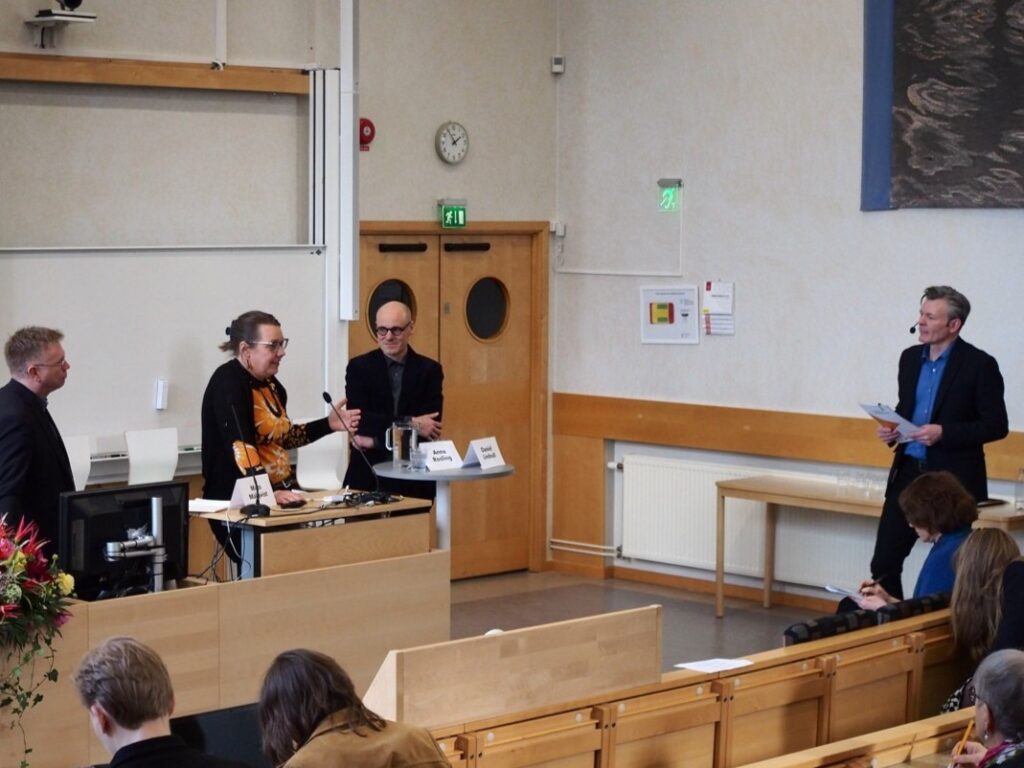
Photo by Judith Lundberg-Felten

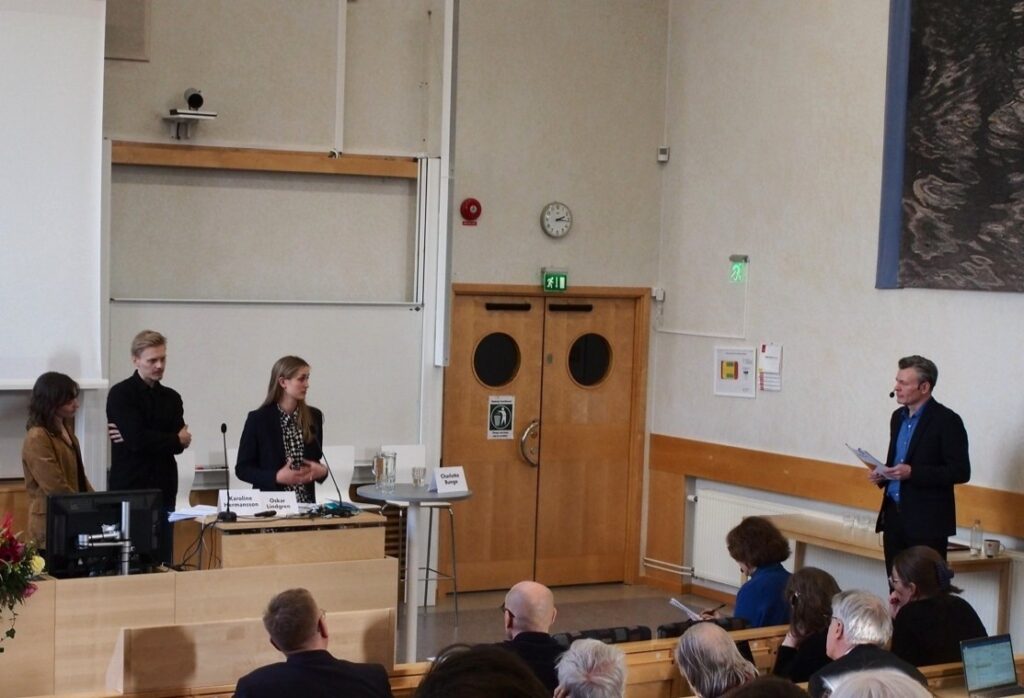
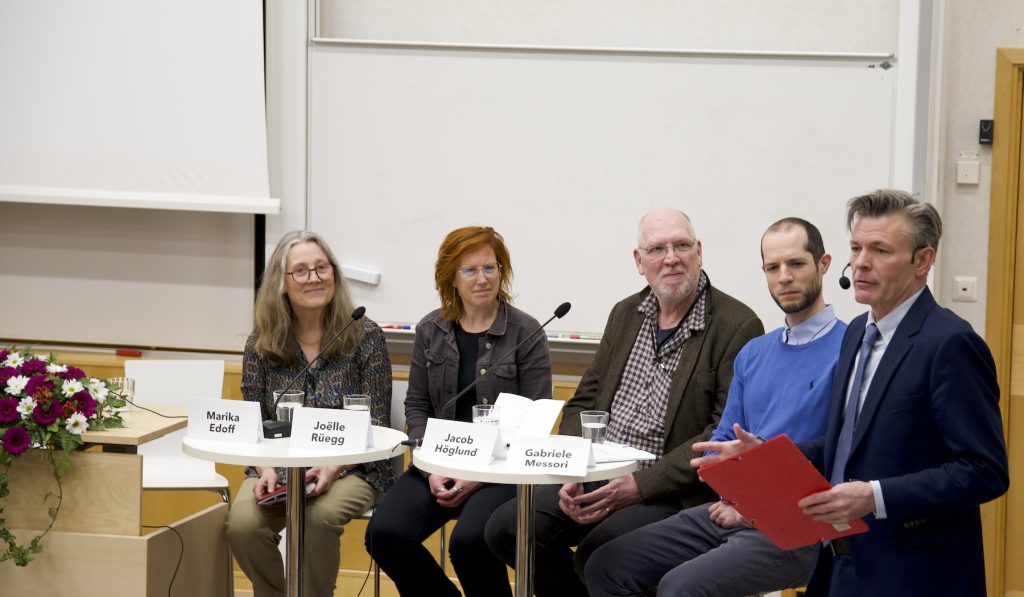
Senior researchers panel with Mats Målqvist, Anna Rosling, and Daniel Lindvall, moderated by Mikael Karlsson, from left to right. Photo by Emma Löfgren

Junior researchers panel with Karoline Hermansson, Oskar Lindgren and Charlotte Bunge, moderated by Mikael Karlsson, from left to right. Photo by Emma Löfgren

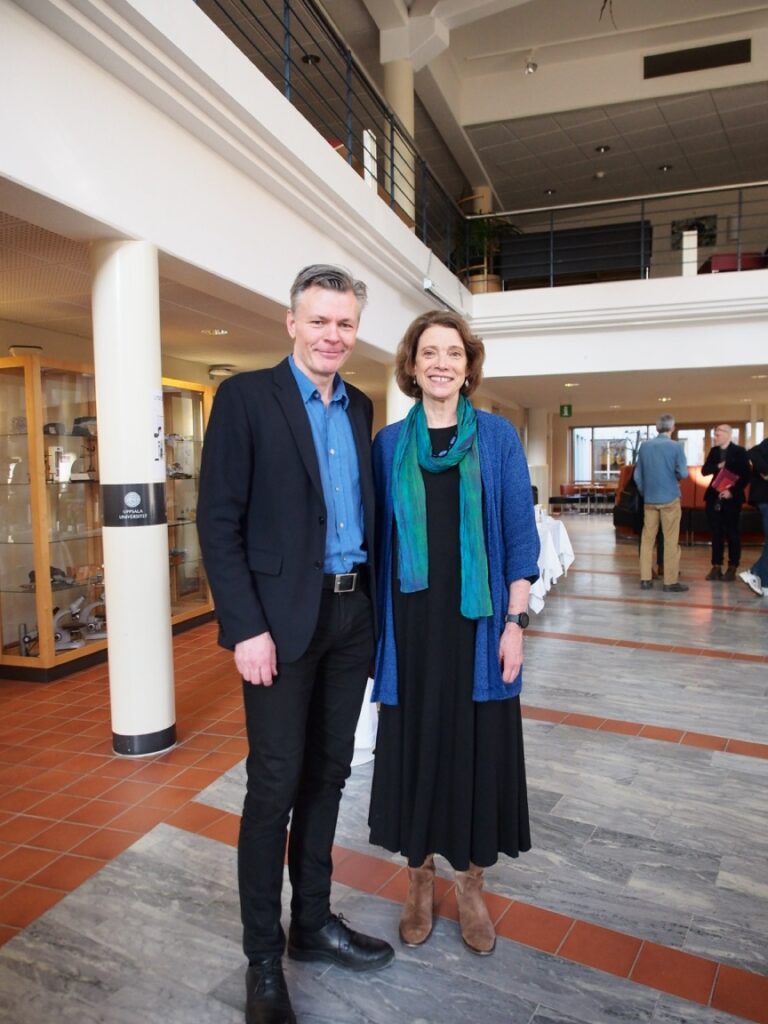
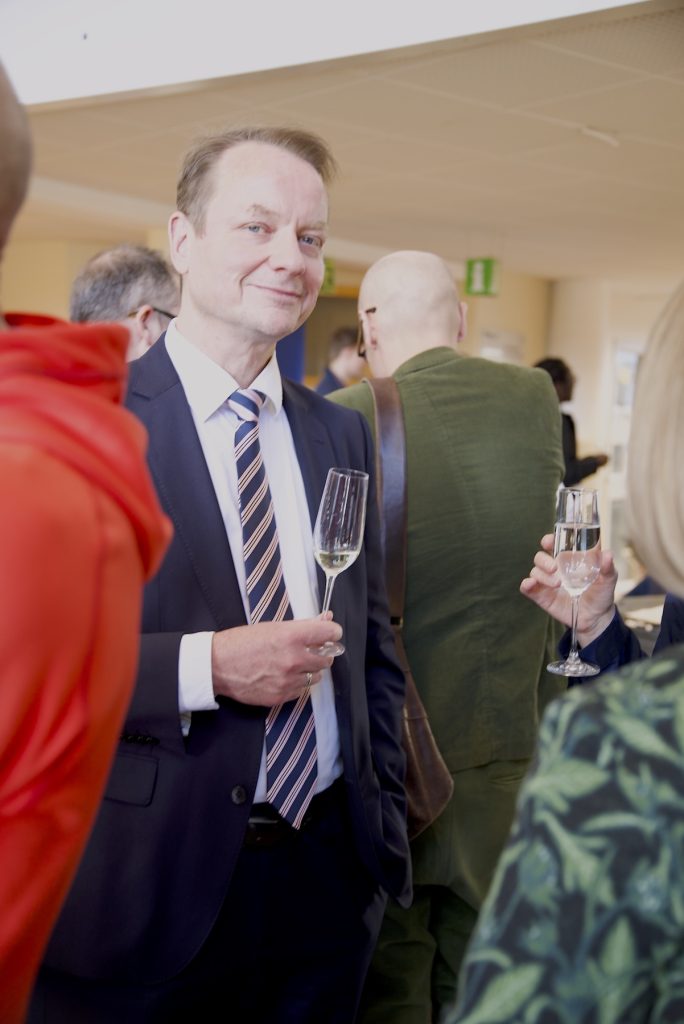
Mikael Karlsson and Karen O’Brien, from left to right. Photo by Emma Löfgren

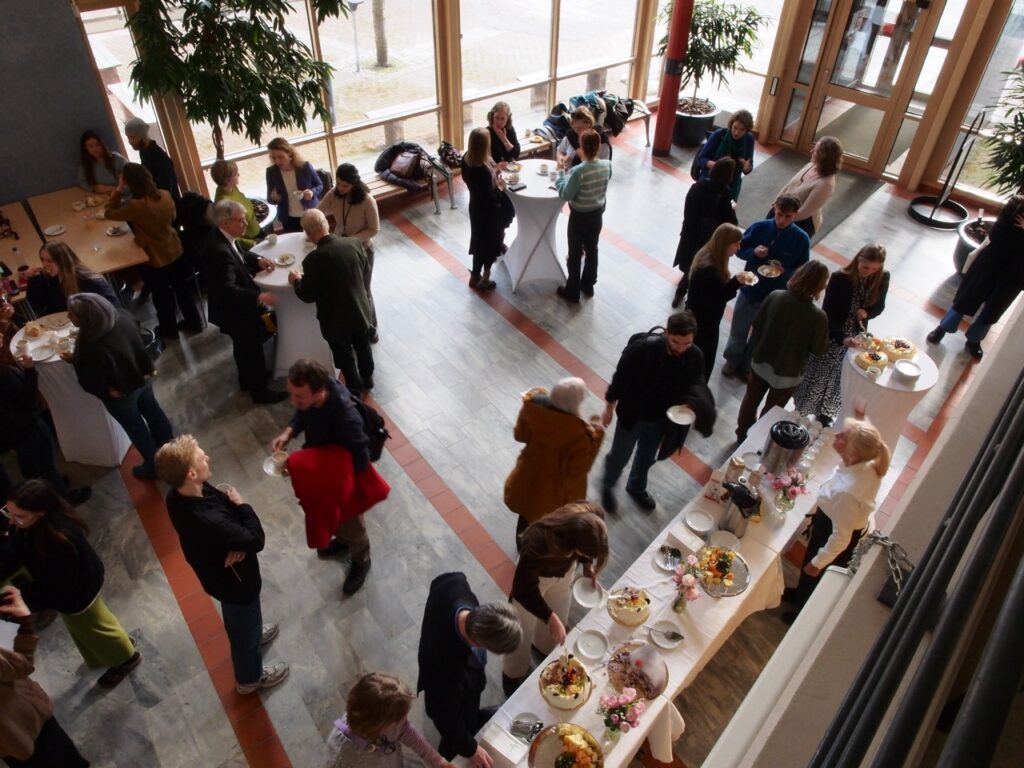
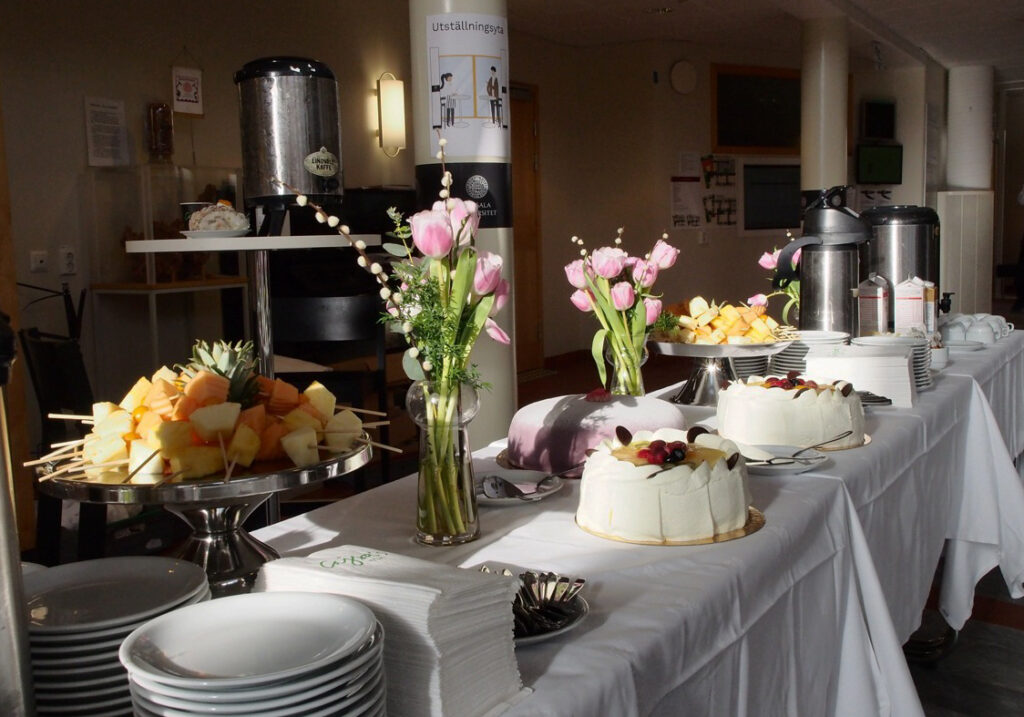
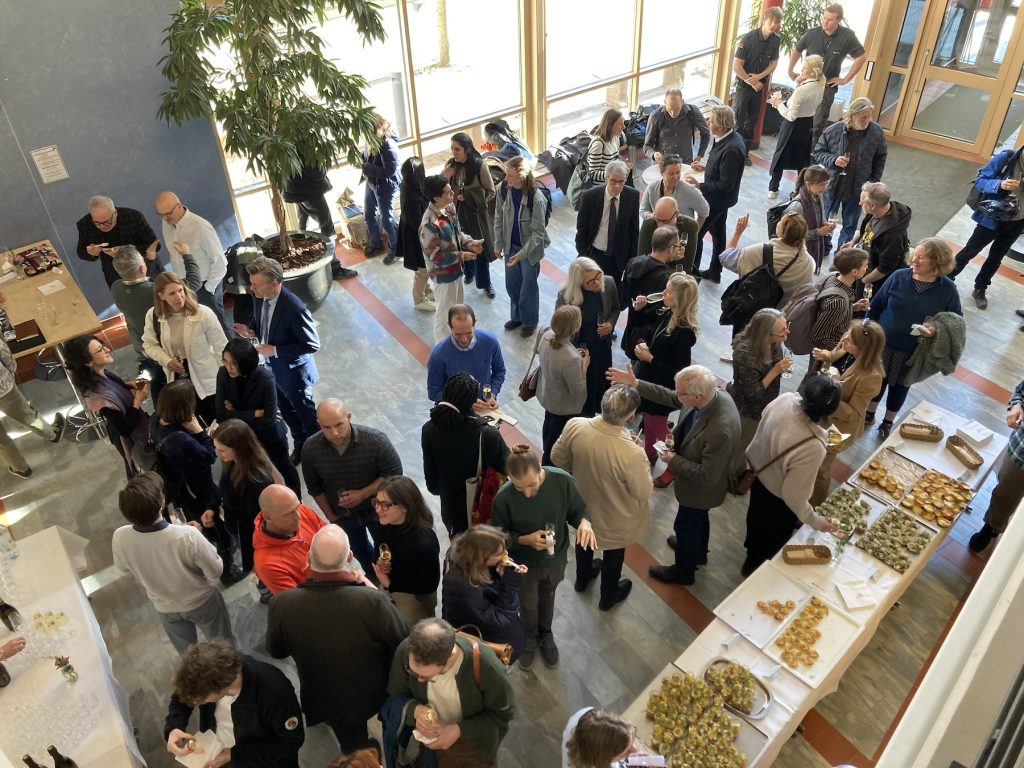
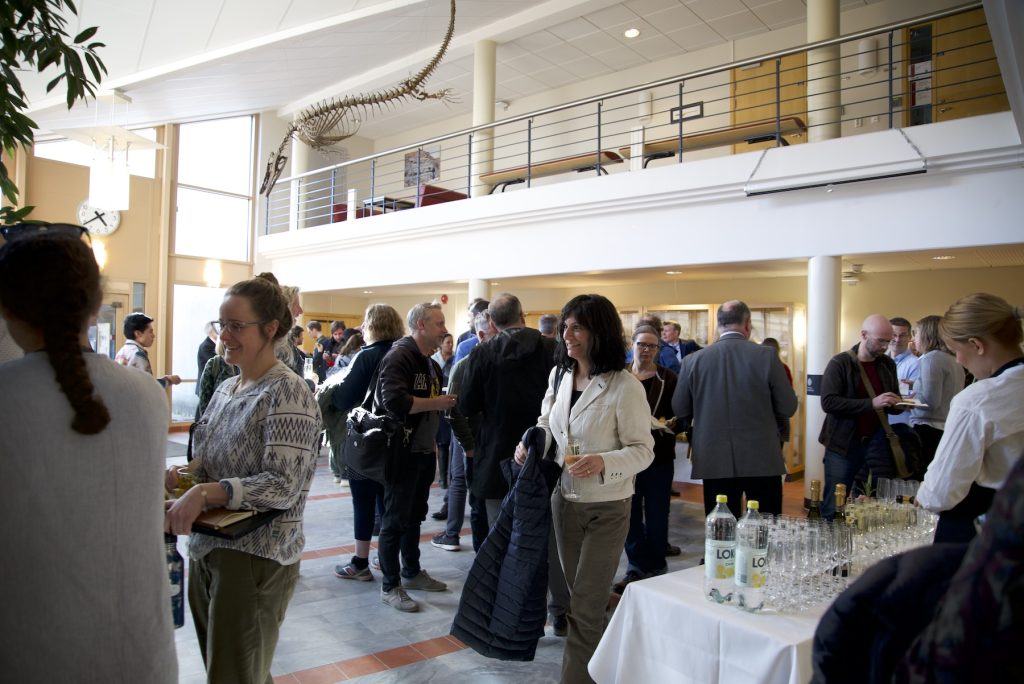
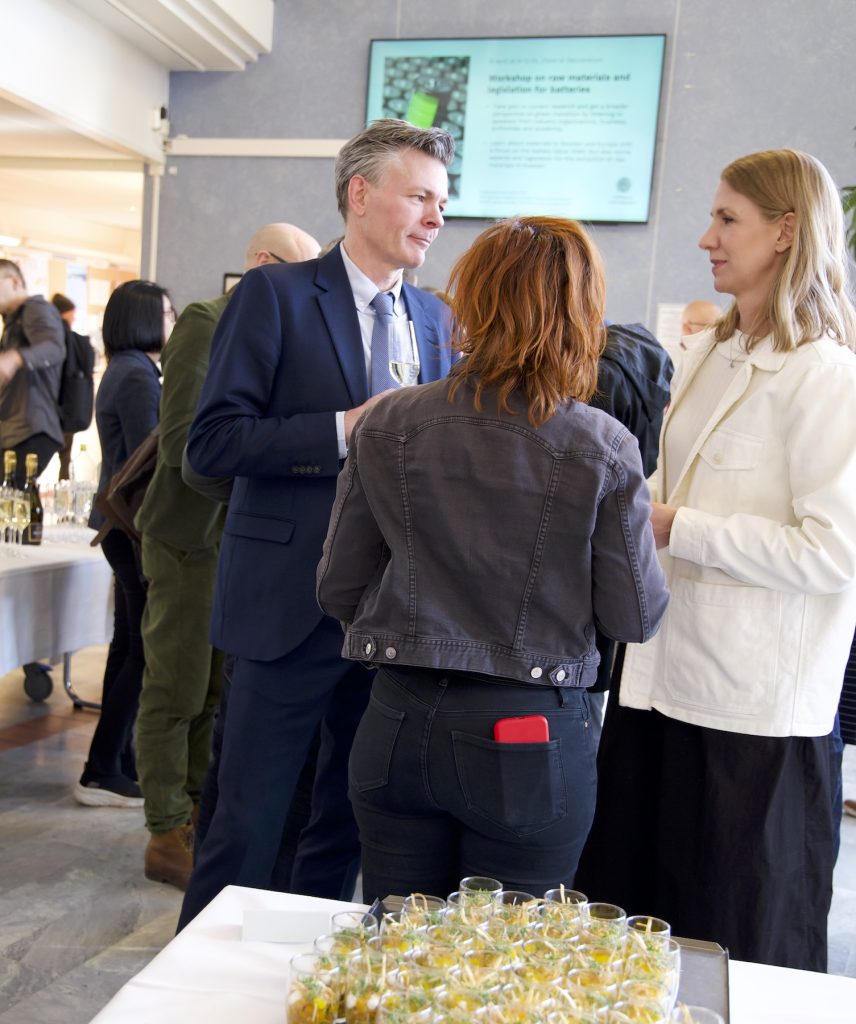
Mingle with cake and coffee after the lecture. Photo by Emma Löfgren

Photo by Emma Löfgren

Thank you to Jayne Glass for her great suggestions on the text in this blogpost.
Connecting Knowledge and Action: Karen O’Brien on Leadership, Narratives, and Transformative Change

On 2 March 2026, Karen O’Brien has taken up the position of Zennström visiting professor in Climate Change Leadership at Uppsala University. Karen is Professor Emeritus at the Department of Sociology and Human Geography at the University of Oslo and is internationally recognised for her work on how climate change affects people and societies.

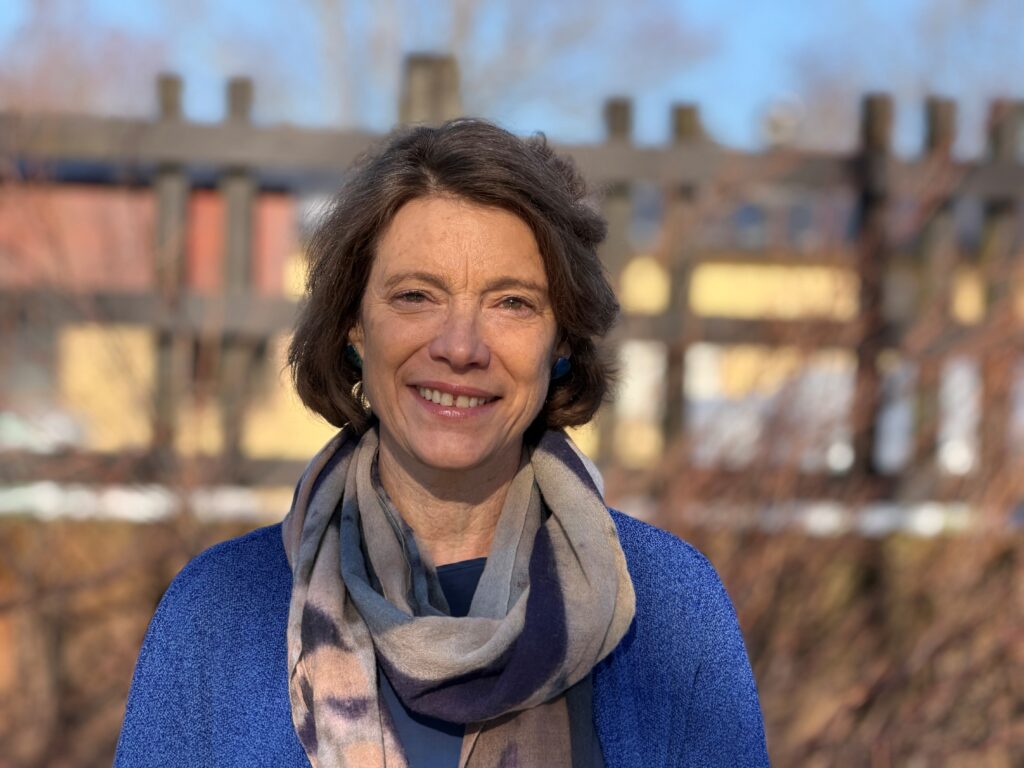
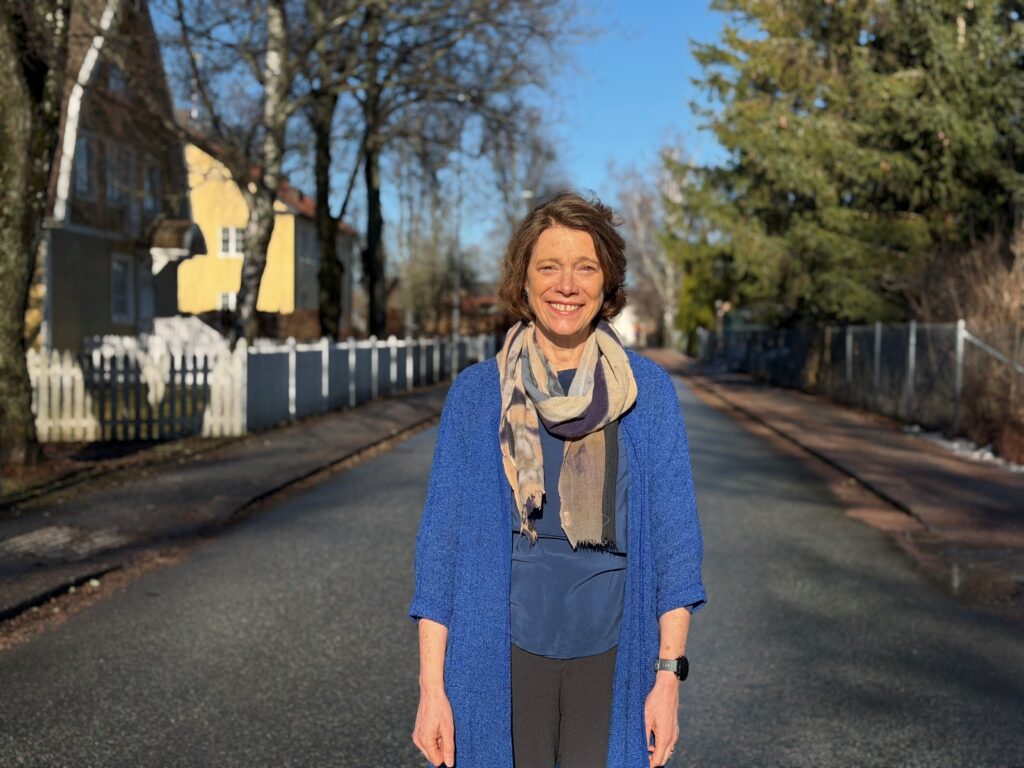
Karen O’Brien, professor emeritus at the Department of Sociology and Human Geography at the University of Oslo, holds the 2026 Zennström Visiting Professorship at Uppsala University for the period March 2026–February 2027. Photo: Malin Eivergård

Social and human dimensions of climate change

Karen’s research focuses on the social and human dimensions of climate change and its consequences for human security. Karen is also  co-founder of cCHANGE, an organisation that supports society’s engagement in the transition to sustainability. With Karen O’Brien on board, Uppsala University gains a climate researcher who not only highlights the problems, but also provides clear, practical advice on how individuals and communities can act to meet the challenges of climate change.

Through her research Karen aims to find answers  to the questions:

  • How can societies adapt to changes that are already happening, such as extreme weather and environmental risks?
  • How can our everyday habits and values change to support more sustainable lifestyles?
  • How can organisations and local communities become more flexible and creative in their solutions?

Contribution to international climate and biodiversity panels and assessments

Karen O’Brien has contributed to several of the UN Intergovernmental Panel on Climate Change (IPCC) reports, in which researchers from around the world compile facts about the climate and how it affects people, communities and nature. The IPCC helps decision-makers with knowledge about risks, future scenarios and possible measures to reduce emissions and adapt society to a warmer climate. In her reports, O’Brien has contributed with knowledge about how social and cultural factors affect climate action and adaptation.

Karen has also been a co-chair of the Transformative Change Assessment by the  Intergovernmental Science-Policy Platform on Biodiversity and Ecosystem Services’s (IPBES). The assessment analyses the underlying causes of biodiversity loss and the fundamental societal changes needed to achieve the 2050 Vision for Biodiversity, which describes a world where “biodiversity is valued, conserved, restored and wisely used, maintaining ecosystem services, sustaining a healthy planet and delivering benefits essential for all people”. The report provides guidelines how such change can be achieved, identifies barriers to change, and what practical strategies and actions can promote equitable and sustainable transformative change globally.

Climate Leadership – from small steps to systemic change

Malin Eivergård, communicator at the Department of Earth Sciences, has interviewed Karen upon her arrival to Uppsala. Below we share Karen’s answers on climate leadership, communication, agency and responsibility.

What does climate leadership mean to you in today’s political and social climate?

Climate leadership means acting with integrity based on a recognition that we are one with nature in a way that acknowledges the justice dimensions of climate change — including intergenerational justice. Today, when few people in positions of authority seem willing to take climate change seriously, we need individuals, communities, organizations, and businesses to be climate leaders.

During your time as Zennström Professor, what kind of impact do you hope to make at Uppsala University?

I hope to discuss perspectives and approaches to transformative change and how they can be translated into action. I’d also like to learn more about how faculty, staff, and students are building bridges between knowledge and action.

What is the biggest misconception about societal transformation in the climate transition?

We often dismiss small and incremental changes as unimportant, when in fact small changes can make a big difference when they address the underlying causes of climate change and nature’s decline.

Recognizing that we are all part of the solution to climate change can create agency to contribute to systems change according to Karen O’Brien. Picture by Ma Ti (unplash).

Why climate denial persists — and how to respond

How do you view the rise of climate denial and climate skepticism?

The rise can be linked to the systematic spread of disinformation and misinformation, and to our failure to create a compelling narrative that recognizes people as the solution to climate change, rather than the problem. When we reduce people to their climate footprints and insist that they need to change, we overlook their agency and potential to contribute to systems change.

Why do you think some people resist or reject climate science?

There are many reasons, including cognitive lock-in and vested interests. In general, however, it is easier to look at the world through our current beliefs and assumptions than it is to question them and open our minds to other possibilities. It’s not surprising, as the willingness to be wrong takes some humility, but it is nonetheless harmful.

How should researchers and leaders respond to climate denial without deepening polarization? 

Asking questions, listening to people’s answers, and sharing data, information, and examples that they can relate to is often more helpful than telling people what to think. People tend to see and defend what they already believe, and this can reinforce polarization.

Is it still meaningful to engage with climate deniers, and if so, how?

I believe it is meaningful because climate deniers often include family members, friends, neighbors, and colleagues; we often limit ourselves to speaking with people who already care about climate change.  But it is also important to engage with the sources of disinformation and misinformation, recognizing that climate change challenges some worldviews and threatens the interests of those who benefit from the status quo, which includes many of us. 


Climate communication is more effective when we connect to values and listen to what the people we talk to care about, says Karen O’Brien. Picture by Malin Eivergård

Stories, values, and the power of climate communication

How important is communication in advancing climate action and climate leadership?

It’s essential. And it is more effective when we connect it to the values that we care deeply about and help people .

What distinguishes effective climate communication from communication that fails?

Effective communication involves both speakers and listeners (and writers and readers). To advance climate action, we must communicate authentically and listen in ways that connect with people and what they care about – not just what we care about. Effective communication often involves stories that encourage inquiry and reflection. One-way channels that convey climate information tend to fail.

How can universities better translate scientific knowledge into societal change?

There has been a shift away from translation of research towards knowledge co-production, but research itself still tends to be very abstract and jargony for many. The arts can play an important role in helping people to engage with and interpret research.

What role do narratives, values and emotions play in communicating climate science?

The three are closely related: communicating a compelling narrative about climate change that connects to people’s values can evoke emotions that motivate action. The presentation of research results in a neutral, dry manner usually often works better for academic audiences than for mobilizing action.

We can make an impact by engaging people in conversations and being part of initiatives related to the things we care about, says Karen O’Brien, and names gardering as one example. Picture by Sandy Clarke (unplash).

How we care for ourselves and what we care about  can create agency 

You often speak about human agency. What does that mean in a time of climate fatigue? It’s easy to feel tired and burnt out, especially when we do not see the results that we wanted.

To have agency in a time of climate fatigue involves recognizing that we matter and make a difference, even if we do not see immediate outcomes and impacts. Still, it’s important not to become martyrs and burn out. We are part of a collective, and sometimes it’s essential to step back and take care of ourselves, including our mental and physical health and our relationships.  Individual sustainability and global sustainability are linked, and we need regenerative approaches to both. 

What responsibility do researchers have beyond publishing scientific results?

It’s easy to feel that our impact is limited to projects, publications, and citations. But impact can include engaging people in conversations, talking to the media, establishing relationships of trust, and being part of initiatives related to the things we care about – music, art, sports, children’s education, gardening.  In other words, researchers have an opportunity to convey climate science across their multiple spheres of influence.

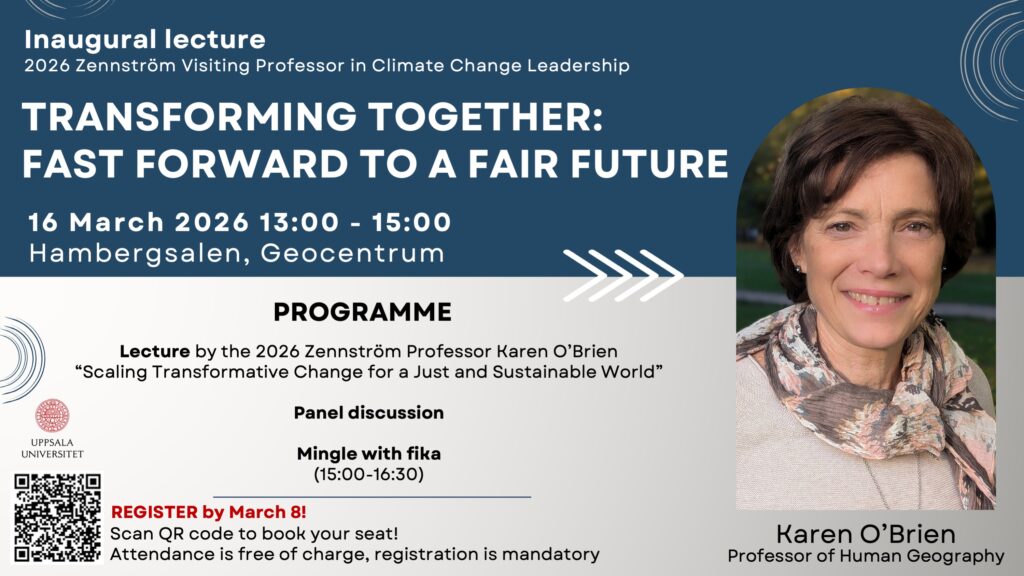
Announcement: Inaugural lecture – “Transforming Together: Fast Forward to a Fair Future “

Welcome to the inaugural lecture and panel discussion with Uppsala University’s Zennström Visiting Professor in Climate Change Leadership 2026, Karen O’Brien.

Karen O’Brien is co-founder of cCHANGE and Professor Emerita of human geography at University of Oslo. Building on decades of research on the social and human dimensions of environmental change, her current work focuses on connecting theory with practice to scale equitable and sustainable transformations. We are delighted about her appointment as the ninth Zennström Visiting Professor in Climate Change Leadership at Uppsala University.

The inaugural lecture is a welcome for Karen. The event will be held in English and takes place on Monday 16 March 2026 starting at 13:00 in Hambergsalen, Geocentrum (Villavägen 16) Uppsala University.

Programme of the event

  • 13:05 Welcome message by Anders Hagfeldt, Vice-chancellor Uppsala University
  • 13:15 Lecture by the Zennström professor 2026 Karen O’Brien

    Scaling transformative change for a just and sustainable world
    The scale of the climate crisis challenges us to think, organize, and act differently. To do so, we may need to relate differently to ourselves, each other, nature, and the future. Drawing on my past research on climate change impacts, vulnerability, and adaptation and the recent Transformative Change Assessment of the Intergovernmental Science-Policy Platform on Biodiversity and Ecosystem Services (IPBES), this talk will focus on the importance of engaging with the practical, political, and personal spheres of transformation, as well as my current work on fractal approaches to scaling transformations to sustainability. Finally, I will consider some of the implications for climate change leadership, with an emphasis on why we matter more than we think.

  • 13:50 Panel discussion “Transforming Together: Fast Forward to a Fair Future” 
    Panel I: Anna Rosling, Mats Målqvist and Daniel Lindvall. 
    Panel II: Laila Mendy, Oskar Lindgren and Charlotte Bunge
    Moderator: Mikael Karlsson
  • 14:30 Discussion with all participants and the audience
  • 15:00 – 16.30 Mingle with fika

Please note that registration is mandatory and the number of seats is limited. The deadline for registration is 8 March 2026.

Opportunities within the Earth System Governance Network

In spring 2025 the international project office of the Earth System Governance network transitioned from Utrecht to Uppsala University. The Earth System Governance Project (ESGP) is a global, interdisciplinary research network advancing knowledge at the interface between global environmental change and governance. It connects scholars worldwide from social sciences and humanities to explore innovative political solutions and effective strategies.

The ESG project was founded in 2008 and unites today more than 600 researchers. The network brings together its members in different ways. Taskforces and working group provide opportunities to collaborate on pressing issues related to climate change biodiversity loss and global governance of these questions. The South-South Initiative within the network seeks to strengthen the ESG network in the global South. Activities for Early career researchers, such as meetings organized by the Early Career committee and a mentorship program also open opportunities specifically for young researcher globally. The ESG community gathers once per year at its annual conference, which is planned to be held in Uppsala in the coming years. The monthly newsletter keeps the ESG community members informed about both internal activities in the network and external opportunities among the network members and newly published literature.

The networks international project office (IPO) organizes or co-organizes network activities and is a crucial part of the ESGP. The IPO transitions between universities every five years. In an earlier phase it had been based at Lund University before moving to Utrecht University in the Netherlands. The next transition happened earlier this year after CCL successfully attracted funding for the project office from Zennström Philanthropies and Uppsala University’s UUnicorn initiative. This funding has allowed to create two full time positions, for a project coordinator (Hang Nguyen) and a research assistant (Karin Thalberg), that have been running the daily tasks of the network since May 2025. The operations of the international project office are led by Mikael Karlsson, head of CCL, and complemented by Judith Lundberg-Felten, project coordinator at CCL. The transition of the IPO was further facilitated by the presence of ESGP founder Frank Biermann, and Scientific Steering Committee member Aarti Gupta as Zennström professors at Uppsala University during spring 2025.

In a recent interview, Mikael Karlsson expressed that the presence of the network at Uppsala University can provide opportunities for researchers locally to engage in international collaborations and attract funding in such constellations.

We encourage researchers with an interest in ESG topics to apply to become a research fellow within the ESGP and contribute to and benefit from this vibrant global research community.

CCL to host NESS 2026

The Climate Change Leadership group at Uppsala University will host the Nordic Environmental Social Science Conference in 2026. The conference will take place take place from June 9-11 2026 at Uppsala University.

The NESS conference has a long history of over 30 years of bi-annual gatherings of researchers within the broad field of social science and humanities approaches to environmental studies among the Nordic countries and beyond. The conference brings together scholars across research fields for meeting and discussing interdisciplinary knowledge co-production and co-creation for sustainability. It include a range of plenary sessions, but are particularly characterised by a stream of parallel workshops, focused on in-depth discussions of draft scientific articles.

The conference theme for NESS2026 is “Bridging the Gaps” and will, for example, offer discussions around the following questions

  • How can gaps between environmental goals and implementation be bridged in policy and practice?
  • How can scientific knowledge be more effectively integrated into policymaking, and how can policy needs better inform research?
  • What characterises fruitful interdisciplinarity and transdisciplinarity – including co-production of knowledge – in science and policy, and how can it be advanced?
  • How can gaps between science and society – and scientists and practitioners – be overcome?
  • How can significant divides among different environmental disciplines be bridged?


A call for workshop proposals closed on 7 September 2025 and resulted in nearly 70 submitted proposals. The CCL team is delighted to see that this opportunity is so well received. The scientific committee will now screen and select proposals, for which later this fall a call for abstracts for participants will open.

Read more about NESS2026 www.uu.se/ness2026

Daniel Lindvall holds his docent lecture

On August 29th 2025, CCL researcher Daniel Lindvall held his Docent lecture “Democracy in the Age of Climate Crisis” at the Department of Earth Sciences, Uppsala University.

Based on his research and his recent book, Climate Change and the Endurance of Democracy, he discussed how disasters and extreme weather events have historically affected human reasoning and agency and how the climate crisis may influence democratic development in the future. He demonstrated how these effects can contribute to democratic backsliding but also create new conditions for social mobilization and democratic vitalisation.

Congratulations, Daniel, for an interesting and pedagogically presented lecture on this highly important subject.

Daniel Lindvall at Hambergsalen during his docent lecture

Dålig klimatpolitik skadar ekonomin

Sänkta energiskatter på bensin och diesel är inte bara dålig klimatpolitik – det är också dåligt för ekonomin. Det visar en studie som CCL forskarna Jens Ergon och Mikael Karlsson, tillsammans med kollegor på KTH Royal Institute of Technology, Corvinus University of Budapest, Cambridge Econometrics och The Vienna Institute for International Economic Studies har nyligen publicerat i tidskriften Climate Policy.

Den 21 augusti 2025 publicerades även en tillhörande debattartikel i Svenska Dagbladet

Vetenskaplig artikel: Ergon et al. 2025 Modelling policy packages with combined climate, social, and macroeconomic goals: the Swedish case . Climate Policy.

Aarti Gupta and Frank Biermann in an interview with UUnicorn

Before their departure from Uppsala University, upon completion of their stay as Zennström guest professors in the end of July 2025, Aarti Gupta and Frank Biermann were interviewed by the UUnicorn initiative. The interview highlights their research, the involvement in the Earth System Governance network and their continued collaboration with Uppsala University even beyond their Zennström visiting professorships. Please read the interview here.

Inaugural lecture Aarti Gupta and Frank Biermann

On 7 April 2025, the Zennström visiting professors in Climate Change Leadership, Aarti Gupta and Frank Biermann, delivered their inaugural lecture at Geocentrum, Uppsala University. The event, titled Science and Governance for the Planet, was opened by Vice-Chancellor Anders Hagfeldt and followed by a panel discussion on The Triple Planetary Crisis in Science and Policy. It brought together scholars and students eager to engage with urgent questions at the intersection of climate science and global governance.

Uppsala University’s vice-chancellor Anders Hagfeldt welcomes the audience. Photo: Frida Öhman

Planetary crisis in the time of Trump

“If you talk about planetary politics, you have to talk about climate change.”

Frank Biermann, Professor of Global Sustainability Governance at Utrecht University and founder of the Earth System Governance Project, reflected on the state of planetary governance in an increasingly fractured world. He spoke about the theme of the Planetary crisis in the time of Trump, focusing on the impact of disengagement of the United States from international climate cooperation. According to Biermann, we are witnessing the end of what he described as “the long 1990s”—a period marked by optimism, global cooperation, and a belief in the progressive realization of a universal order. That era, he argued, is rapidly giving way to one of fragmentation, as the United States retreats from its commitments to the Sustainable Development Goals, the Paris Agreement, and possibly even the United Nations Framework Convention on Climate Change.

Frank Biermann holding his lecture “Planetary Politics in the Age of Trump”. Photos: Frida Öhman

In this changing geopolitical landscape, Biermann posed difficult questions about how the international community might continue to work toward sustainable development in the absence of willing superpowers. He suggested that new institutional architectures may be necessary that can operate with or without U.S. participation. He explored the possibilities of creating a layered UN and setting up institutions without the US and other similar countries, such as a Planetary Protection Council or a UN Sustainable Development Council.

He also raised the critical issue of funding. With the largest contributor to international development work stepping back, how can climate initiatives be financed? One proposal he explored was the introduction of a global aviation tax, perhaps designed to be progressive by targeting frequent flyers.

Beyond institutional design and finance, Biermann highlighted the problem of planetary justice. The climate crisis, he emphasized, is not an issue caused by humanity as a whole, but rather by a small proportion of the global population, the wealthiest ten percent. Addressing climate change, therefore, also means confronting entrenched inequalities. He concluded his talk by underlining the need to democratize global governance systems in an age when many governments are growing more authoritarian.

While in Uppsala, Biermann expressed his wish to contribute to the development of research networks that will endure beyond his professorship. He also plans to begin work on a publication that explores the politics of planetary governance in the era of Trump. In addition, he hopes to support and strengthen the Earth System Governance Project, which is a global network of hundreds of scholars that now has its International Project Office hosted at Uppsala University.

The climate crisis and scholar activism

The second part of the lecture was delivered by Aarti Gupta, Professor of Global Environmental Governance at Wageningen University. She spoke about The Climate Crisis and Scholar Activism: The Necessity and the Challenges. She began by posing a series of urgent and provocative questions: What role should researchers play in today’s world? What responsibilities do scientists have in their engagement with society? And what can society rightfully expect from the scientific community?

Aarti Gupta during her lecture “The Climate Crisis and Scholar Activism: The Necessity and the Challenges.” Photos: Frida Öhman

Gupta argued that the time when researchers could remain in the ivory tower has passed. We are entering an era in which the boundaries between science and society are shifting, and scientists are increasingly expected to engage with public discourse, policy debates, and contested technologies. This shift, however, comes with its own set of dilemmas. What is the correct way to engage? How should scientists act when the science itself is uncertain or contested? What happens when scientists disagree on the best course of action?

These questions are particularly acute in the context of emerging technologies such as solar geoengineering. This is a technique that involves injecting aerosols into the stratosphere to reflect sunlight and reduce global temperatures. Gupta’s research focuses, among many other issues, on this highly controversial area and the ecological and geopolitical risks associated with the technology. In her view, this is a critical moment to engage with such issues. Once implementation begins, the space for deliberation may quickly disappear.

“Once a technology is developed, it will be deployed. History teaches us that.”

In response to the challenges posed by solar geoengineering, a platform of researchers has been formed, and an open letter has now been signed by over 540 scientists from 67 countries, calling for an International Non-Use Agreement on solar geoengineering. This initiative has aimed to reframe media narratives, influence policy arenas, and advocate for more ethically grounded and precautionary approaches.

Gupta also spoke about the personal and professional challenges that come with scholar activism. Engaging publicly in controversial issues can raise questions about credibility and polarization. The strain on time and resources is another issue. Yet she insisted that neutrality is not always an option. “We cannot afford to be pessimists,” she said, underscoring the importance of scholarly courage and ethical commitment and emphasising that “a critical perspective is the embodiment of hope”.

She plans to initiate a writing project and reading group during her time in Uppsala that will continue to explore these themes, deepening the conversation about the role of science in society and how we might collectively imagine a more just and sustainable future.

Panel discussion

Following the lecture, a panel was convened to discuss The Triple Planetary Crisis in Science and Policy. In the panel were four Uppsala University professors:

  • Joëlle Rüegg, Professor of Environmental Toxicologyat the Department of Organismal Biology.
  • Marika Edoff, Professor of Solid State Electronics at the Department of Materials Science and Engineering, specializing in solar cell technology.
  • Gabriele Messori, ​ Professor of Meteorology at the Department of Earth Sciences.
  • Jacob Höglund, Professor of Animal Conservation Biology at the Department of Ecology and Genetics.
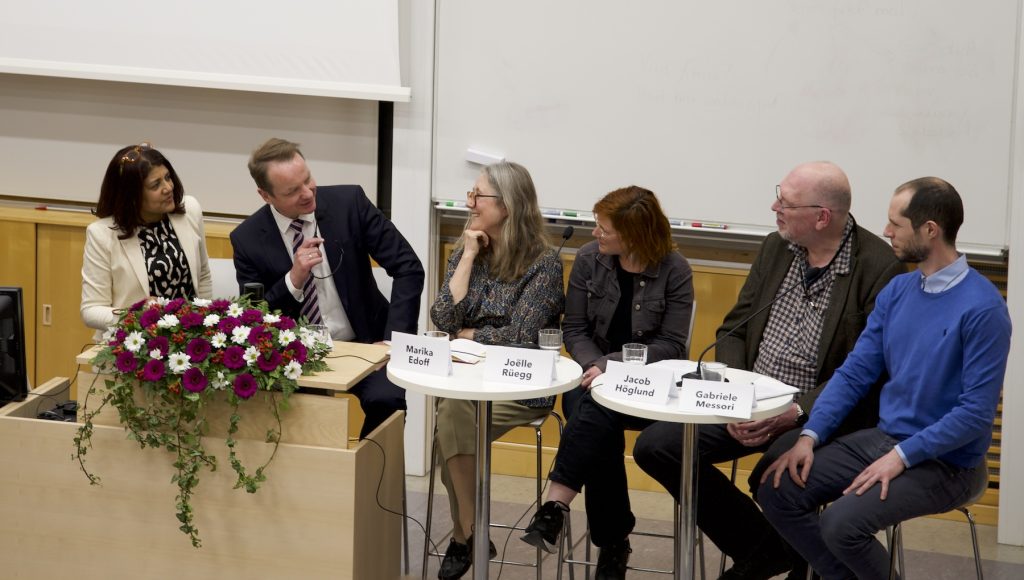
Panel discussion on the triple planetary crisis. From left to right panelists Marika Edoff (solar energy), Joëlle Ruëgg (toxicology), Jacob Höglund (biodiversity), Gabriele Messori (extreme weather) and moderator Mikael Karlsson. Photo: Frida Öhman

Moderated by Mikael Karlsson, Associate Professor in Environmental Science and in Climate Change Leadership at the Department of Earth Sciences, the panel discussed some of the issues raised in the lectures. This included the role of science in addressing climate issues, the question of scholarly activism, and how to deal with political backlashes and disinformation in our age of rising populism. Biermann and Gupta engaged in this lively exchange, and the audience was also given an opportunity to ask questions.

Zennström professors Frank Biermann and Aarti Gupta are visiting Uppsala University until July 2025. More photos and a recording of the event follow below.

The 2025 Zennström professors Frank Biermann and Aarti Gupta listen attentively to the panel discussion. Also in the audience: previous Zennström professors Sverker C. Jagers (2023) and Stacy VanDeveer (2024). Photo: Judith Lundberg-Felten

Frank Biermann, Niklas Zennström and previous Zennström visiting professor Stacy VanDeveer. Photo: Judith Lundberg-Felten

Aarti Gupta shares her reflections on the panel discussion. Photo: Frida Öhman

Frank Biermann reflects on the panel’s words. Photo: Frida Öhman

Aarti Gupta and Frank Biermann. Photo: Stacy VanDeveer

Mingle outside of Hambergsalen. Photo: Judith Lundberg-Felten

Frank Biermann. Photo: Frida Öhman

Aarti Gupta. Photo: Frida Öhman

Tales from a storytelling conference

I spot two familiar faces in the crowd and feel a flush of relief that I can ease my way into mingling. Carefully, I wrestle my way through the crowd of people gathered in the foyer of the conference venue, towards Christoffer Söderlund Kanarp and Sofia Bernett. Over a coffee, we share anecdotes summarising the ups and downs of work and life over the past months. Out of curiosity, I ask how the two of them know each other and Sofia says cheerfully: “Oh, we just met over lunch, we sat next to each other and it turns out we are going to the same workshops and seminars!”. We all laugh and agree that there is something special about conferences, they become venues for making new friends and reconnecting with old ones, venues for sharing and listening to new and old stories.

Our conversation is interrupted by a soft ringing sound which breaks through the chatter of people. A man gently hits a brass bell with a small wooden mallet, creating a sound not unlike the one typically made by singing bowls. It is the cue telling us that the official programme has started, upon which we make our way into the main room. The central theme of the conference is the multiple roles that stories and storytelling play in sustainability. Over the course of the two days, stories are conceptualised and thought of in multiple ways. From being seen as vehicles of shared hope, to false stories that use disinformation to delegitimise calls for climate action.

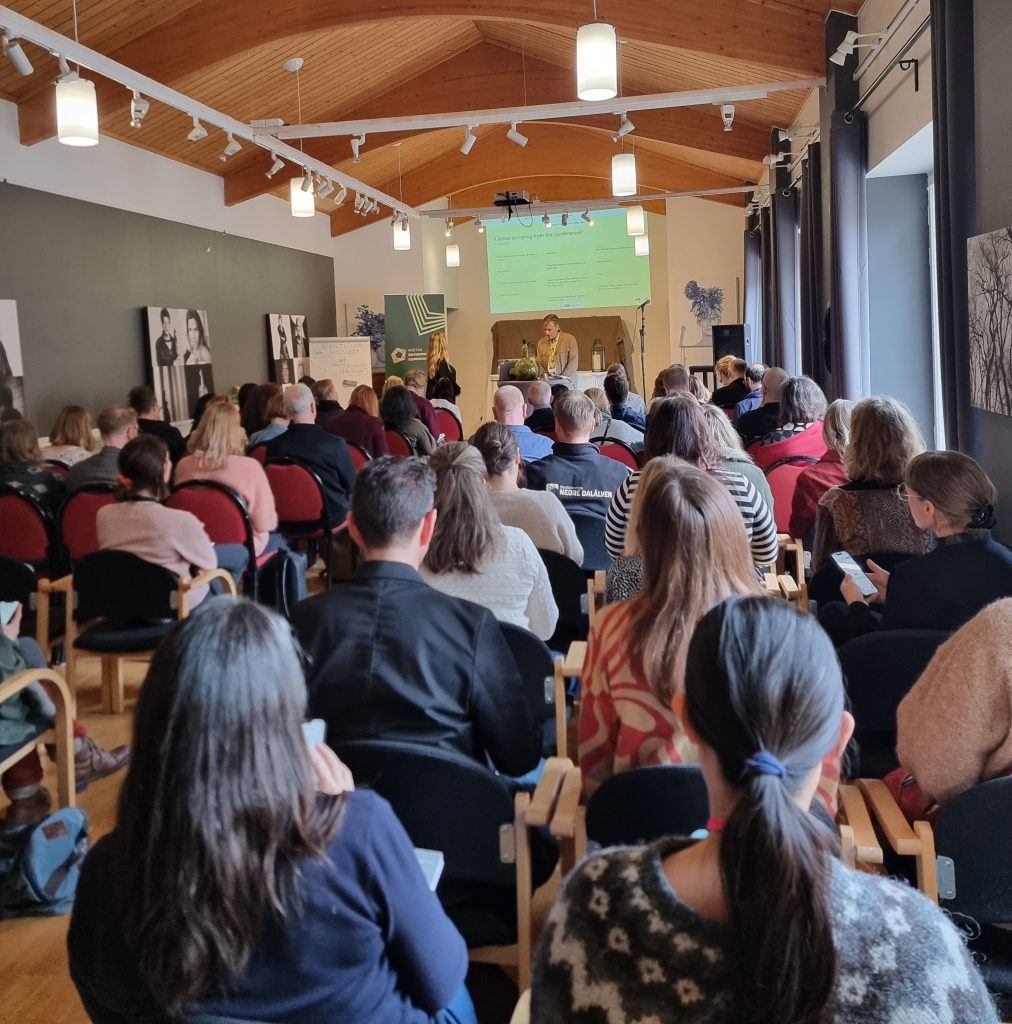
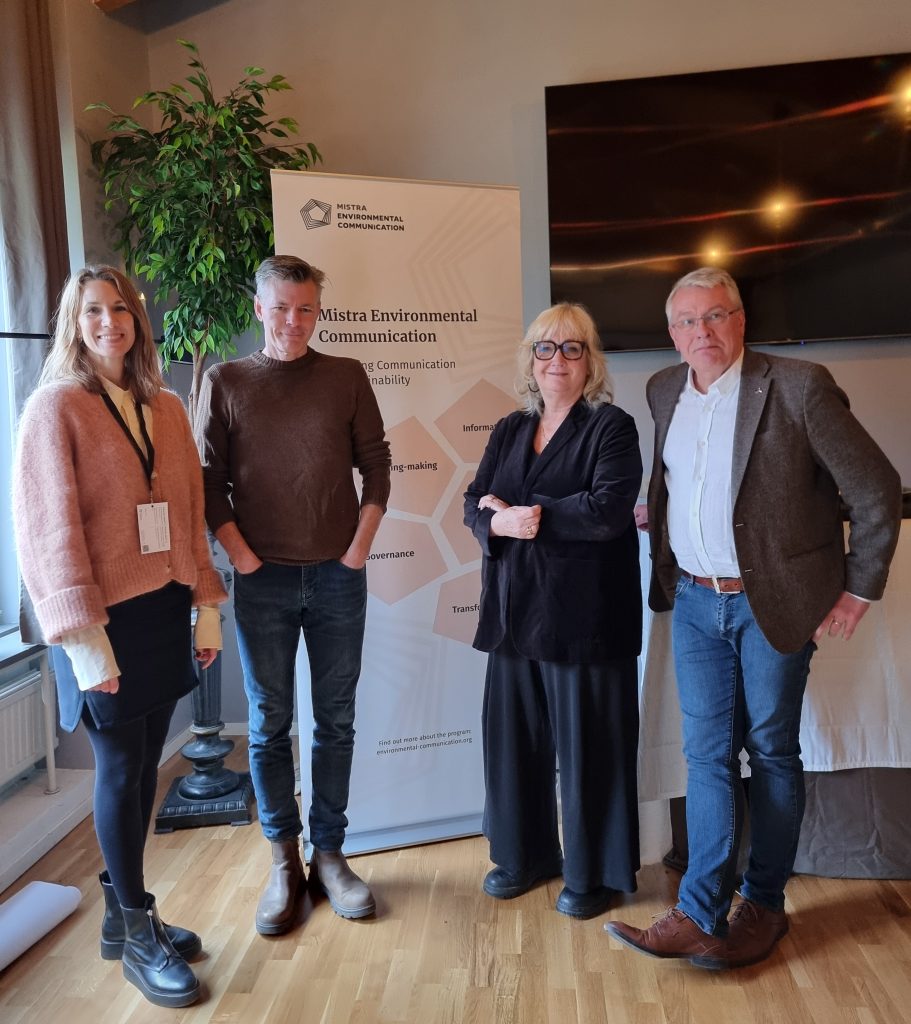
Final plenary session of the Mistra Environmental Communication conference Critical and Creative Approaches to Environmental Communication – Storytelling as, and for, Sustainability.

Storytelling as, and for, Sustainability

Keynote speaker Michael Wilson opens the conference and speaks with calm authority about the state of storytelling today. He claims that we live in a time of “boasterism”, and makes a distinction between boasts and stories. The distinction hints to what Wilson describes as power hierarchies in the public debate. Boasts are the opposite of stories, the tales of the powerful. Meanwhile, the experiences of the powerless are typically dismissed as “only stories”, tales not worth listening to. Thus, in a world of disinformation and distrust, Wilson argues that we need stories of hope. 

“We don’t live in a time of storytelling, we live in a time of boasterism!”

Michael Wilson, Loughborough University

It is clear that he is concerned about the state of storytelling for “homo narrans”, the storytelling human. Wilson leans on thinkers such as Robin Wall Kimmerer, John Berger, and Byung-Chul Han to give flesh to his arguments. I listen to his speech from a packed room in the historic quarters of Uppsala at a conference titled “Critical and Creative Approaches to Environmental Communication – Storytelling as, and for, Sustainability”, arranged by the research programme “Mistra Environmental Communication”.

All these false stories

On day two of the conference, I attend a round table organised and chaired by Climate Change Leadership (CCL)’s Mikael Karlsson, entitled “All these false stories”. I find a place among the audience which seems eager to hear what these stories entail. The room is quiet with anticipation as Mikael presents the topic. False stories concern the way that political decision-makers lie on purpose, and construct stories to be false, explains Mikael. This includes distorting or deliberately silencing information about climate change to downplay or delegitimise climate action. The round table consists of Swedish television’s previous climate correspondent, Erika Bjerström; Tomas Hallberg, who works for the Swedish wind energy association; and Sofia Bernett, who is one of the directors of the research programme FairTrans. Three parallel experiences are told about having to navigate false stories in a time of climate change.

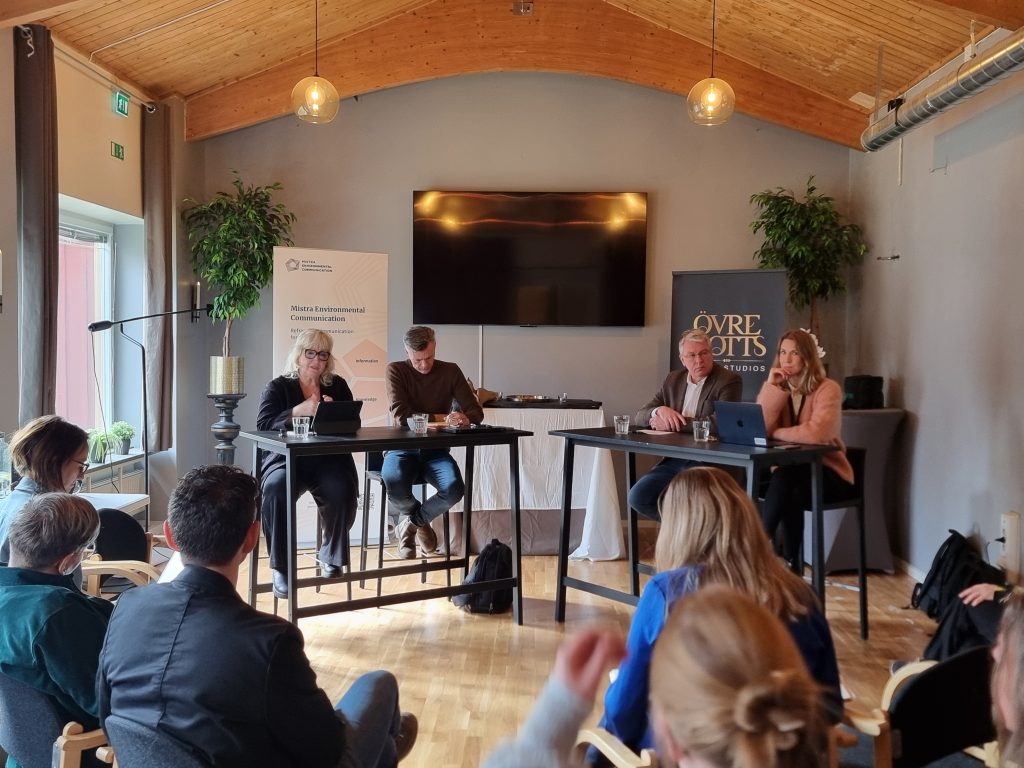
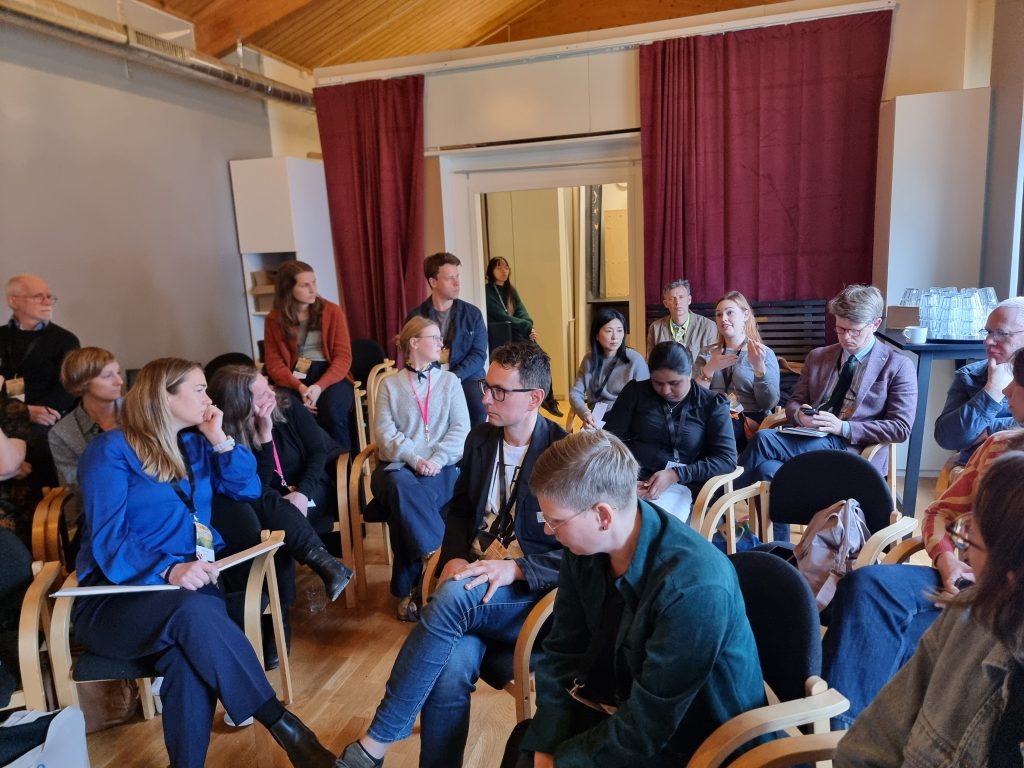
The round table discussants participating in the Storytelling for sustainability conference. From left to right: Erika Bjerström, Mikael Karlsson, Tomas Hallberg, Sofia Bernett.

Climate journalism between a rock and a hard place

After working in journalism her entire life, reporting on climate change globally, Erika made the decision to leave the newsroom. Living under death threats and a constant questioning of the climate narrative, she lost her faith in public media. “We live in a crazy time, with a fascist in the white house who has sided with Putin, and where military expenditures clash with climate investments”, she argues. This affects the stories that the newsrooms present. Except for the scribbling of pens among the eager listeners, the room is thick with quiet concentration. Newsrooms struggle to stand up against the disinformation because climate change has become so politicised, it is essentially seen as a leftist issue, continues Erika. Climate change should be the biggest news story of our time, but newsrooms struggle to capture the seriousness of the topic. Journalists are accused of being activists, and there is a constant plea for ‘hopeful’ stories which in turn delays the story that should be told of our time’s most pressing issue.  

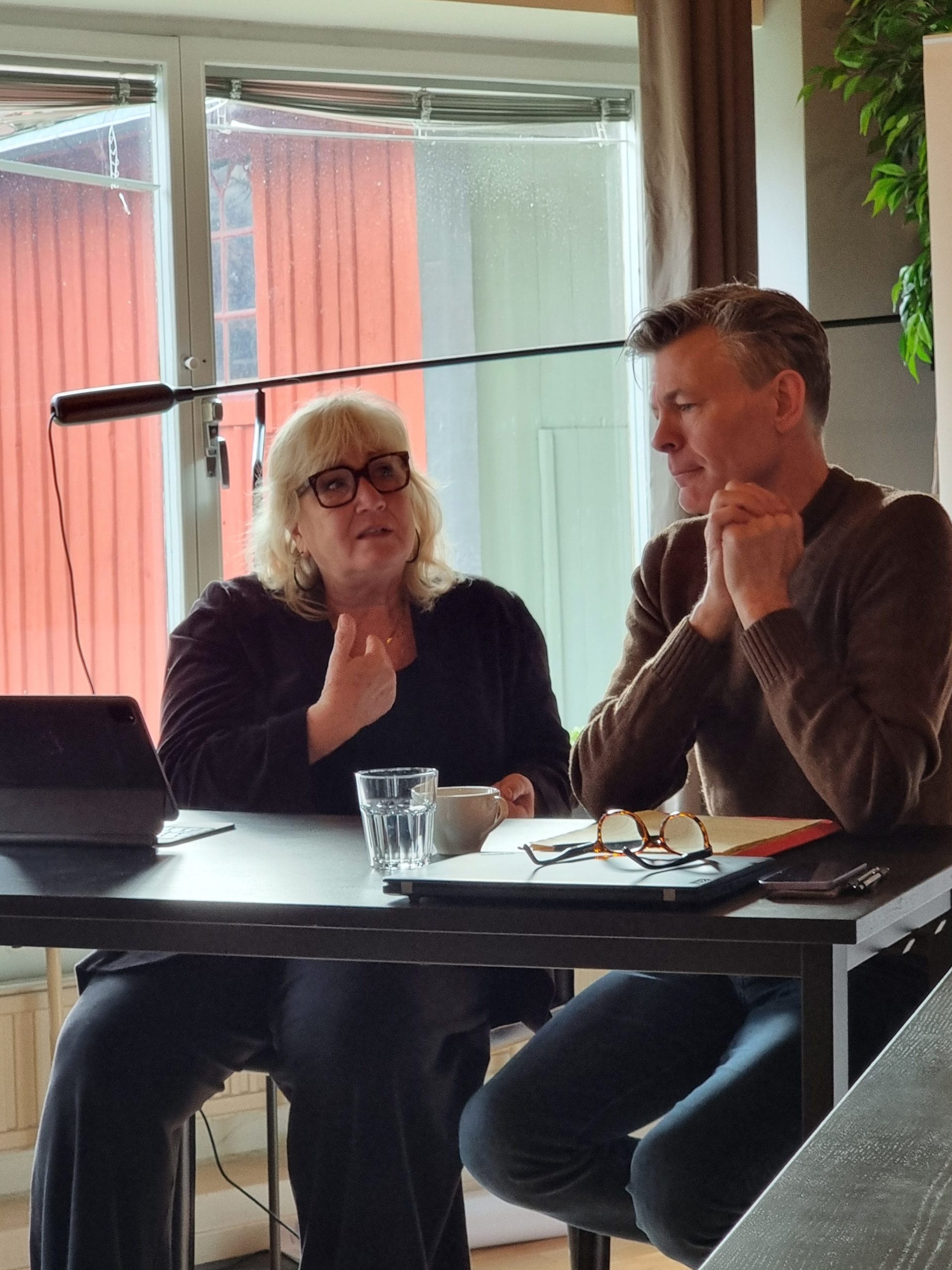
Erika Bjerström sharing her experiences from working as a climate journalist, Mikael Karlsson listening.

The global anti-wind movement and when graphs become stories

We learn from Tomas that international organisations work to influence the spread of wind power across Sweden. The organisations target people with false stories about the negative effects of wind power, prompting local citizens to call for a use of the municipal veto that allows municipalities to reject the establishment of wind power within their territories. “In the 2020s, between 60-75% of all windmills that were planned were stopped by the municipal veto, and this is before it is even possible to let the environmental impact assessments commence and find out whether the projects will have any negative impact on people and nature, which is the claim of the counteracting organisations”, Tomas says firmly. The accusations are false, and the delaying organisations spread fabricated facts to paint wind power as harmful and dangerous.

“When I became a mother, that’s when the emissions graphs became a story – my kids will be in their 30s in 2050 – that’s when it became relatable”

Sofia bernett, Stockholm resilience centre

Sofia’s story starts on the night of November 8th, 2016 when she goes into labour. She expects a baby girl on the day when she believes that the leader of the free world will be a woman for the first time in history. However, history wanted a different story, and she explains the mixture of immense love and fear she feels when her daughter is born to a world of Donald Trump in the White House. This prompts Sofia to leave her job in marketing and enter the world of climate science as a communicator, where she remains today. 

Self-criticism, nuance, and living with multiple stories

Instead of presenting a solution, Mikael humbly asks the audience, who have been listening intently: “What do we do then? The focus of this conference is stories. What do these stories do?”. Mikael shares his uncertainty about the potential of counteracting bad stories with good stories, and turns to the audience to ask what they think we should do instead. This sparks an eager discussion involving the entire room. We share ideas, questions, concerns, and anecdotes. The round table quickly turns into an animated ping-pong match where everyone seems to be engaged. 

The audience engages in discussion during the round table entitled “All these false stories”.

As the conversation continues, Erika calls for self-criticism, pointing to the obvious power held by many in the room, who have long shaped and still shape public debate. “We are former climate reporters and activists, where is the self-criticism? What did we do wrong?”. A concern is raised by Anke Fischer (SLU) that too little attention is paid to asking what causes these so-called false stories. Does the framing of stories as something snappy leave too little room for nuance or for changing our minds, she asks. The call for nuance is echoed by the conference keynote speaker, Michael Wilson. He stresses that people live with multiple stories, and asks whether the dichotomy between good and bad stories is useful.

Researchers’ role in storytelling for sustainability

“How can we in different ways make visible that we are very many people and organisations who still think these issues are important?”

Hanna Bergeå, Swedish university of agricultural sciences

Hanna’s question reflects the frustration that is shared in the room, as the discussion develops. Good examples are shared of how to create stories that reflect people’s realities. A single mother with low income might need to hear that climate policies will not disrupt her life. Whereas privileged men might become more engaged in climate action if they are told stories that explain how their identities are threatened by climate inaction, and thus provoked to reflect about what a good life entails for them.

We laugh, applaud, and frantically scribble notes whilst listening, and several questions are raised but left unanswered. Should we avoid the word ‘climate’ altogether? Do we need simple or complex stories? How can we make the silent middle speak up for climate action? The shared modesty of not knowing the right answer to these questions is seen as a potential to engage in a different kind of storytelling. To sum up, Mikael Karlsson asks the audience if one solution could be to continue the conversation: “Maybe an outcome of this talk can be to come together and study and explore how we can move this further?”. As the room empties and the brass bell sounds with its soft ringing sound to mark the end of the conference, it is clear that the story has not yet come to an end.

From left to right: Sofia Bernett, Mikael Karlsson, Erika Bjerström, Tomas Hallberg. Participants in the round table “All these false stories” at the conference Storytelling for sustainability.

The critical and creative capacity of storytelling

Over the course of the two days, I attend seminars and workshops that approach storytelling from a range of perspectives. From creative presentations about the potential for personal transformation for sustainability through storytelling to the disarming capacity of presenting science as stand-up comedy. One workshop tries to unpack experiences of reciprocity and asymmetry in storytelling, and together with four people, we share our own experiences with the art of storytelling. Another workshop deals with the concept “collective loneliness”, where we discuss how we can overcome feelings of loneliness when working with sustainability issues. These workshops take place amidst sessions of meditation, art exhibitions, a drama workshop, and an escape room, as well as discussions of academic articles that touch upon the use of storytelling in various ways.

After two days in the historic quarters of Uppsala, I leave the conference and make my way back to my office and to CCL. I carry with me not just new ideas but newfound wonder over what stories the future will hold and our role as researchers to analyse, shape, and contribute to the ongoing conversation.  

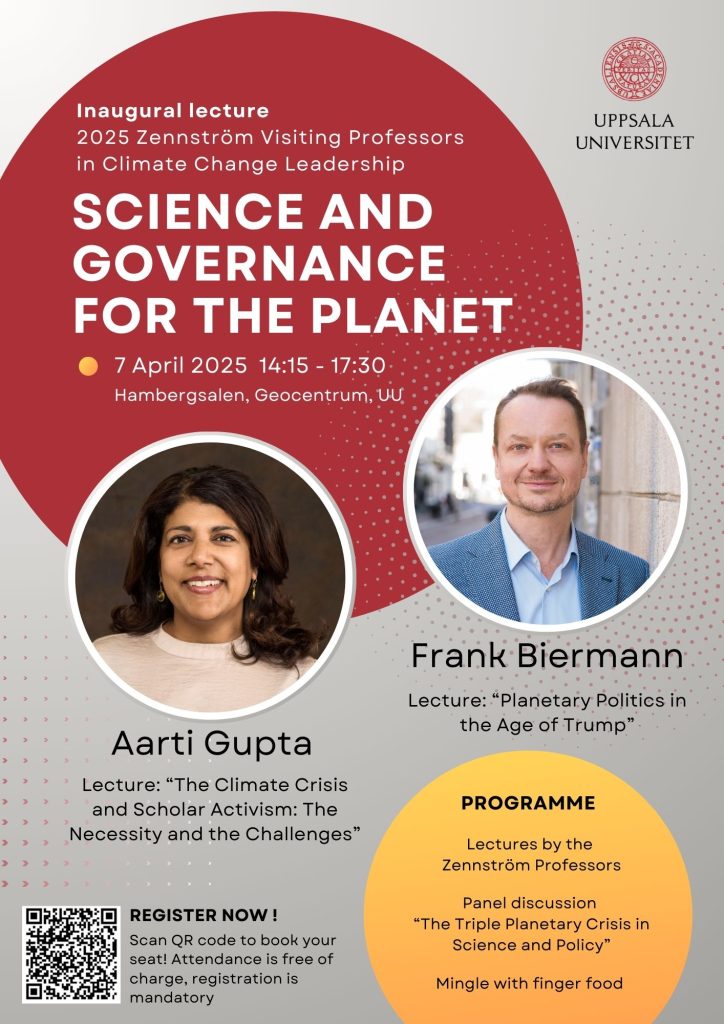
Inaugural lecture “Science and Governance for the Planet”

Welcome to the inaugural lecture “Science and Governance for the Planet” with Prof Aarti Gupta and Prof Frank Biermann, Zennström visiting professors in Climate Change Leadership and a panel discussion on the subject “The Triple Planetary Crisis in Science and Policy”.

Venue: Hambergsalen, Geocentrum, Villavägen 16, Uppsala

Date: Monday 7 April 2025


Programme

14:15 Welcome message by Anders Hagfeldt, Vice-chancellor Uppsala University

14:20 Lectures

Prof Frank Biermann “Planetary Politics in the Age of Trump” 

The planetary crisis of climate change, environmental degradation and unsustainable development is a defining challenge of the 21st century. Political solutions must navigate the rapidly changing real-world complexities, from the rise of transnational populist movements opposing environmental policies to the recent withdrawal of the United States from the Paris Climate Agreement. How can we imagine planetary politics in the “age of Trump”? This lecture explores today’s political dynamics, multilevel institutions and transformative policy options in global sustainability governance, aiming to sketch realistic approaches to planetary stewardship and governance amid geopolitical turmoil and growing anti-environmentalist backlash.

Prof Aarti Gupta “The Climate Crisis and Scholar Activism: The Necessity and the Challenges”

In addressing the climate crisis, what should be the role of the engaged scientist? What kind of science-society contract can help to address anticipatory challenges, such as climate change, where potential options to reduce climate impacts might be accompanied by uncertain and unknowable future risks, harms or benefits, which will manifest in a highly unequal and geopolitically tense world? What if scientists fundamentally disagree about these options? There is an urgent need, I argue, for scholar activism in this context of contested science. I discuss in this lecture how I have sought to engage with this need, both conceptually and in practice.

15:00 Panel discussion: The Triple Planetary Crisis in Science and Policy with Uppsala university professors Joëlle Rüegg, Gabriele Messori, Marika Edoff and Jacob Höglund, Moderator: Mikael Karlsson

16:00 Discussion with all participants and the audience

16:30 – 17.30 Mingle with snacks


Last day to sign up 27 March 2025

Participation is free of charge but registration is mandatory.

Sign up here: https://doit.medfarm.uu.se/bin/kurt3/kurt/8883108 


Ny kurs “Klimatomställning i små och medelstora företag”

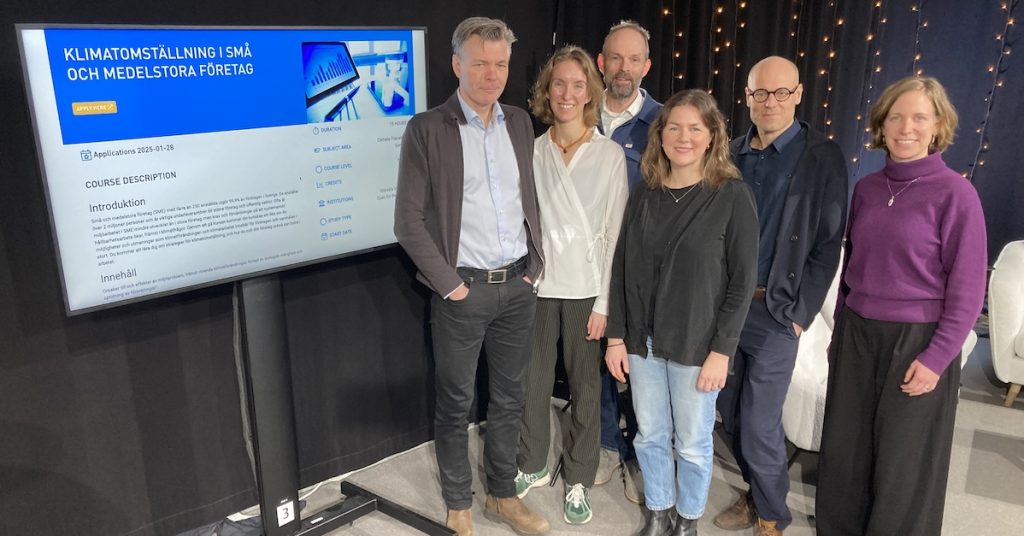
I inspelningsstudio Blåsenhus. Från vänster till höger: Mikael Karlsson, Anna Berg Grimstad, Peter Henriksson, Frida Öhman, Daniel Lindvall, Judith Lundberg-Felten

Förberedelse för ny kurs för företag på gång

I början av februari spelade vi in material på Studio Blåsenhus till vår nya nätbaserade kurs “Klimatomställning i små och medelstora företag“. Kursen riktar sig till yrkesverksamma personer i näringslivet (framförallt i SMEs), är avgiftsfri och du läser den i egen takt precis när det passar dig. Kursmaterialet kommer att vara tillgängligt från och med 17 mars.

I kursens föreläsningar och samtal möter du Mikael Karlsson, Daniel Lindvall, Frida Öhman, Anna Berg Grimstad och Judith Lundberg-Felten från CCL, samt Peter Henriksson från 2050 Consulting

Du kommer att lära dig om
– Orsaker och konsekvenser av klimatförändring
– Internationell och nationell klimatpolitik
– Strategier för hållbarhet och omställningsarbete i företag
– Verktyg och praktiska klimatåtgärder i företag, framförallt SMEs

Kursen finansieras av regeringens satsning “Öppet för klimatet – grön omställning” via Uppsala Universitet.

Anmäl dig här.

Ny doktorandtjänst i samarbete med Uppsala kommun

Vi söker dig som vill bli doktorand hos oss på CCL i samarbete med Uppsala kommun och bidra till klimatomställning och klimatledarskap i ett lokalt perspektiv.

Du kommer att studera kommunala strategier i form av styrmedel, insatser samt processer för delaktighet, där kommunen utgör testbädd. På så vis sammanlänkas forskningen och det praktiska samhällsbygget och du arbetar i gränslandet mellan akademi och kommun.

Till uppgifterna hör att bidra till och undersöka medborgardialoger, att genomföra enkätundersökningar och experiment rörande legitimitet och acceptans för omställning, samt fallstudier av konkreta insatser för minskad klimatpåverkan. Projektet kopplas till det nationella forskningsprogrammet Navigate som CCL är del av, samt till kommunen och dess verksamhet. Forskningen är både kvantitativ och kvalitativ. Inom ramen för projektet ska doktoranden arbeta 20 procent på Uppsala kommun.

Läs hela annonsen och sök jobbet senast 18 februari 2025 här:

https://uu.varbi.com/se/what:job/jobID:792352/

Aarti Gupta and Frank Biermann new Zennström visiting professors 2025

Aarti Gupta and Frank Biermann. Photo: Unmask Photography


Professor Aarti Gupta from Wageningen University and Professor Frank Biermann from Utrecht University are the new Zennström Visiting Professors in Climate Change Leadership 2025 at Uppsala University. For the first time, two professors will simultaneously hold the visiting professorship.

Gupta and Biermann will be at Uppsala University from March to July 2025 and will be placed at the Department of Earth Sciences within the Climate Change Leadership Unit that is part of the Natural Resources and Sustainable Development programme. 

Read more about their research and their aspiration with their appointment at Uppsala University. 

Can financial compensation or democratic participation enhance wind power acceptance?

In recent years, wind power has become increasingly cost-competitive and offers prospects for Sweden to phase out fossil fuels from the energy system. Many wind power projects are stalled, however, due to local opposition.

In an article recently published in the journal Energy Research and Social Science, Daniel Lindvall at Uppsala University and Patrik Sörqvist and Stephan Barthel at Gävle University explored if different types of financial compensation or democratic participation can enhance wind power acceptance, using a large-scale survey in Sweden. The study confirms that Swedes are very supportive of wind power. Nearly 75 percent of the respondents support the development of onshore wind farms. Still, one in four Swedes would not like to have wind turbines built near their homes.

Wind power stations on a field in the sunset
Photo by Karsten Würth on Unsplash

The most effective policy option on general attitudes is to require wind power developers to pay property taxes to the host municipality. Those who are generally negative to wind power prefer, however, to receive personal financial compensation. While the results suggest that compensation could help mitigate resistance, negative attitudes towards wind power are primarily driven by ideological beliefs, low environmental concern, and a lack of political and governmental trust. Regardless of the type of compensation offered, individuals who express strong conservative ideological views (TAN-values) will most likely continue to resist wind power development.

The findings demonstrate that the proposals presented by Swedish government inquiry in 2023, Värdet av vinden, might help to enhance the support for wind power. Still, the article also demonstrates that there is no a silver bullet against negative attitudes to wind power.

The research was conducted within the research project Fairtrans, financed by Formas and Mistra.

Read the entire article: Lindvall D, Sörqvist P, Barthel S: Overcoming the headwinds: Can policy design shape public acceptance of wind power in Sweden? Energy Research & Social Science, Volume 116, 2024

« Older posts