Author: Admin (Page 1 of 3)

NESS 2026 – internationell mötesplats för hållbarhetsforskning i Uppsala

Enheten för Klimatledarskap vid Uppsala Universitet var värd för den 17:e upplagan av nordiska miljökonferensen Nordic Environmental Social Science Conference (NESS) som ägde rum den 9-11 juni i Uppsala.

NESS konferensen, som har en mer än 30-årig tradition av sammankomster vartannat år, utgör en central plattform för tvärvetenskaplig forskning inom samhällsvetenskap och humaniora med fokus på miljö och hållbar utveckling. NESS 2026 lockade hela 460 deltagare från Norden och andra delar av världen till Uppsala under tre dagar. Kärnan av konferensen var ett 30-tal parallella workshops där utkast till vetenskapliga artiklar diskuterades under tre halvdagar. Därutöver arrangerades två för-event, en inledande och avslutande plenarsession, tio panelsamtal med forskare och samhällsaktörer, sociala aktiviter och särskilda aktiviteter för allmänheten. Ett axplock av dessa presenteras nedan.

Konferensen organiserades av forskningsenheten Climate Change Leadership (CCL) vid Institutionen för geovetenskaper, under ledning av docent Mikael Karlsson för den vetenskapliga kommittén och Judith Lundberg-Felten för  organisationskommittén.

Plenarsessioner

Invigningen i universitetets aula inleddes med en uppmärksammad föreställning  av Taiko Shin Kai med japanska trummor, följt av ett inledande föredrag av Mikael Karlsson om konferensens tema “Bridging the gaps” som syftade till att belysa hur vi kan bygga broar mellan forskning, politik och samhälle för att påskynda miljöstrategier. Keynote-föreläsning om transformativ förändring för en rättvis och hållbar värld hölls av Zennström gästprofessor i klimatledarskap Karen O’Brien. I plenarsessionerna ingick även ett flertal panelsamtal med seniora och unga forskare samt andra aktörer som belyste forskning och politik kring klimatomställning och biologisk mångfald. En panel bestod av den aktuella och tidigare Zennström gästprofessorerna Karen O’Brien, Stacy VanDeveer, Keri Facer och Sverker C. Jagers som vi gladdes åt att välkomna tillbaka till Uppsala under NESS. Till konferensens avslutande plenarsession hörde harpmusik av Stina Hellberg Agback. De musikaliska inslagen uppskattades av deltagarna och lyftes av Keri Facer som en påminnelse om konstens bidrag till ett hållbart samhälle.
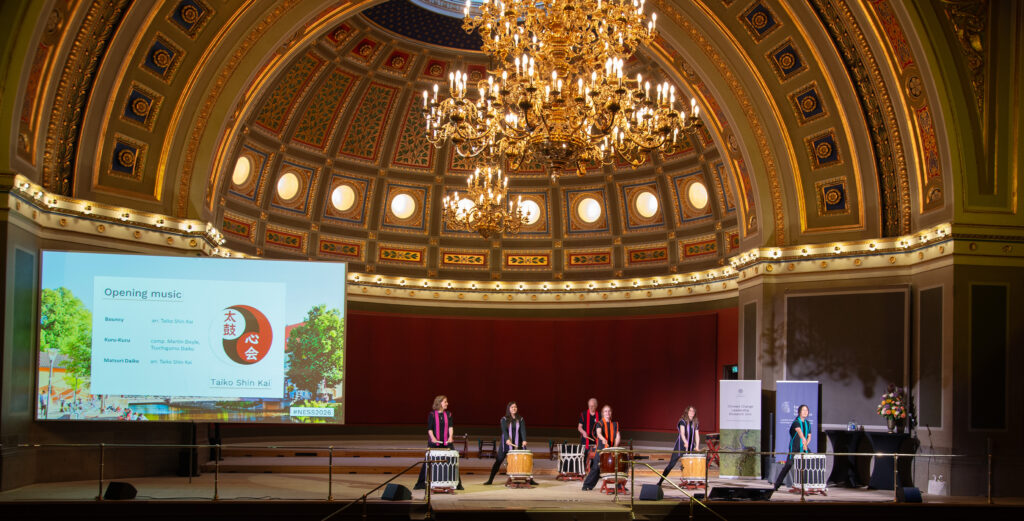
Deltagarna välkomnades av japanska trummor av Taiko Shin Kai.

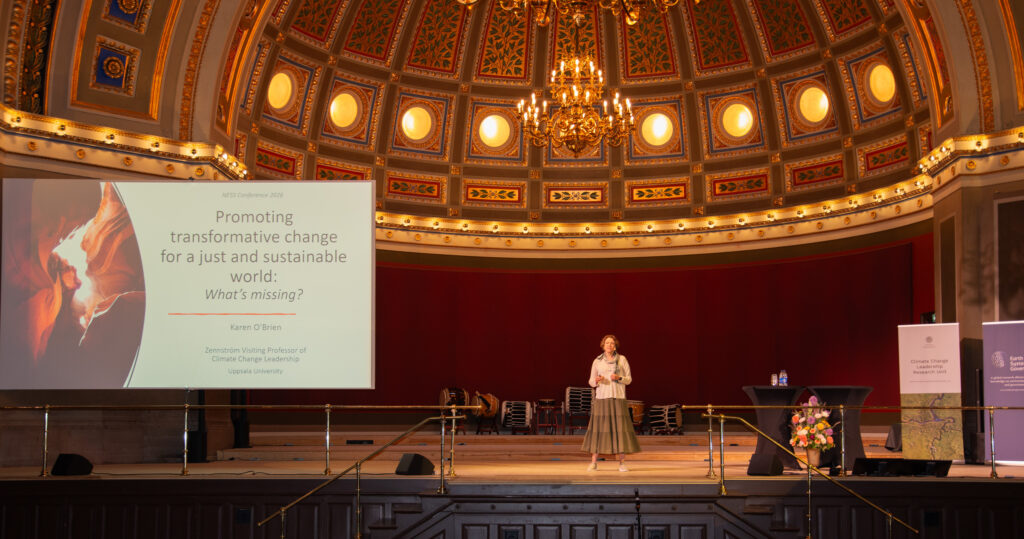
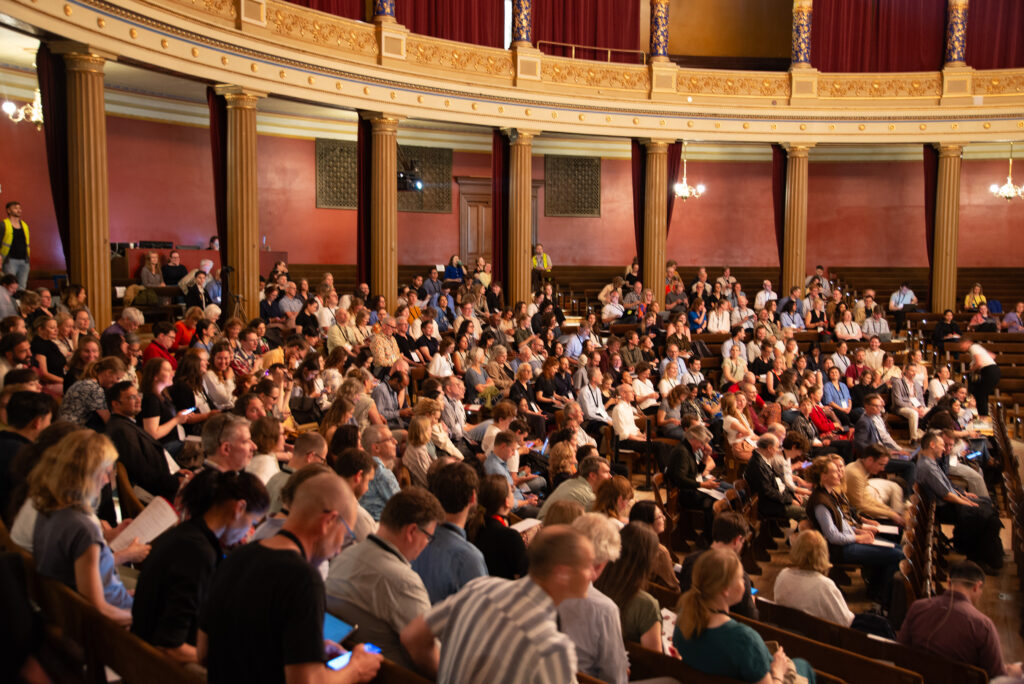
NESS deltagare vid inledningen i aulan i universitetshuset.

Karen O’Brien höll sitt keynote “Accelerating Transformative Change for a Just and Sustainable World: It’s about Principles, Power, and Practice”

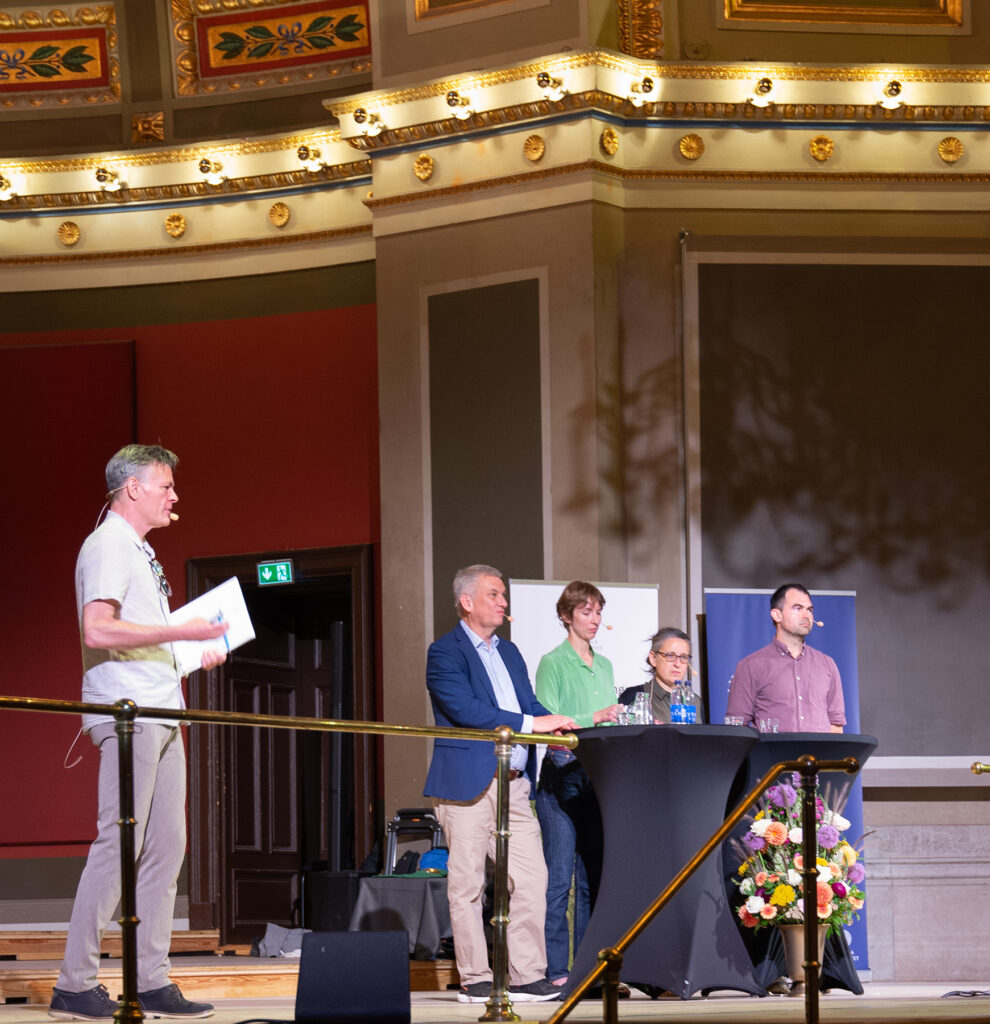
“The European Green Deal: A lasting and transformative strategy?” – En paneldiskussion som leddes av Mikael Karlsson, med panelister (fvth) Mats Engström, Analyst and Writer on European Affairs; Anna Berg Grimstad, UU; Charlotte Halpern, Sciences Po; James Patterson, Utrecht University

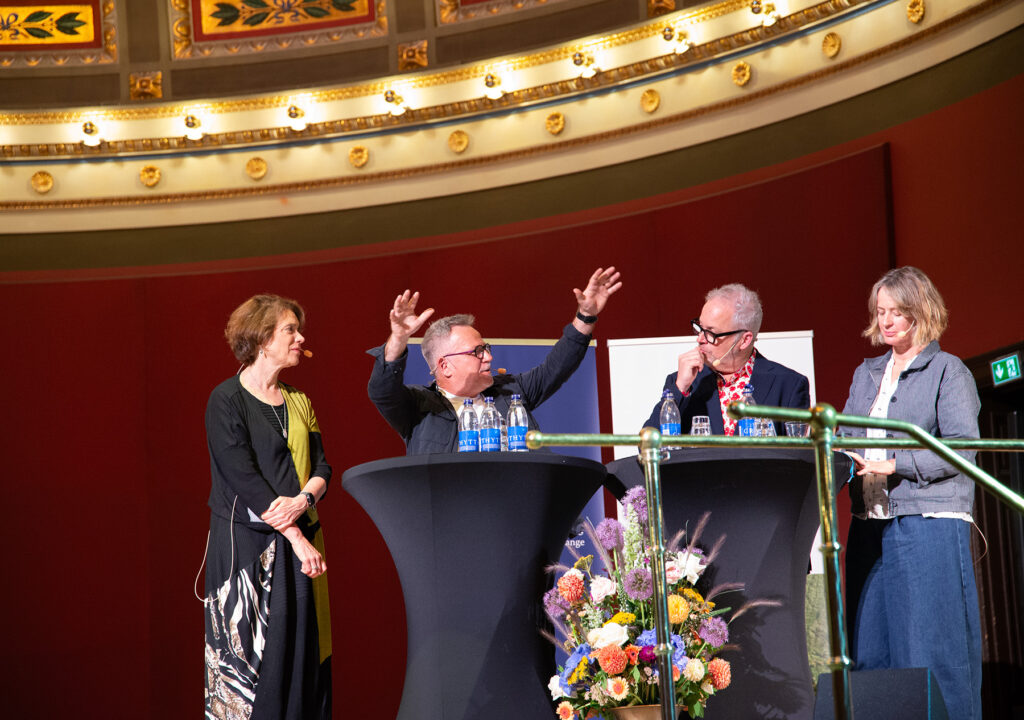
Paneldiskussion vid avslutande plenarsessionen “How do we bridge the gaps? What do we know – and what remains uncertain? ” med aktuella och tidigare Zennström gästprofessorer (fvth) Karen O’Brien, Sverker C. Jagers, Stacy VanDeveer, Keri Facer

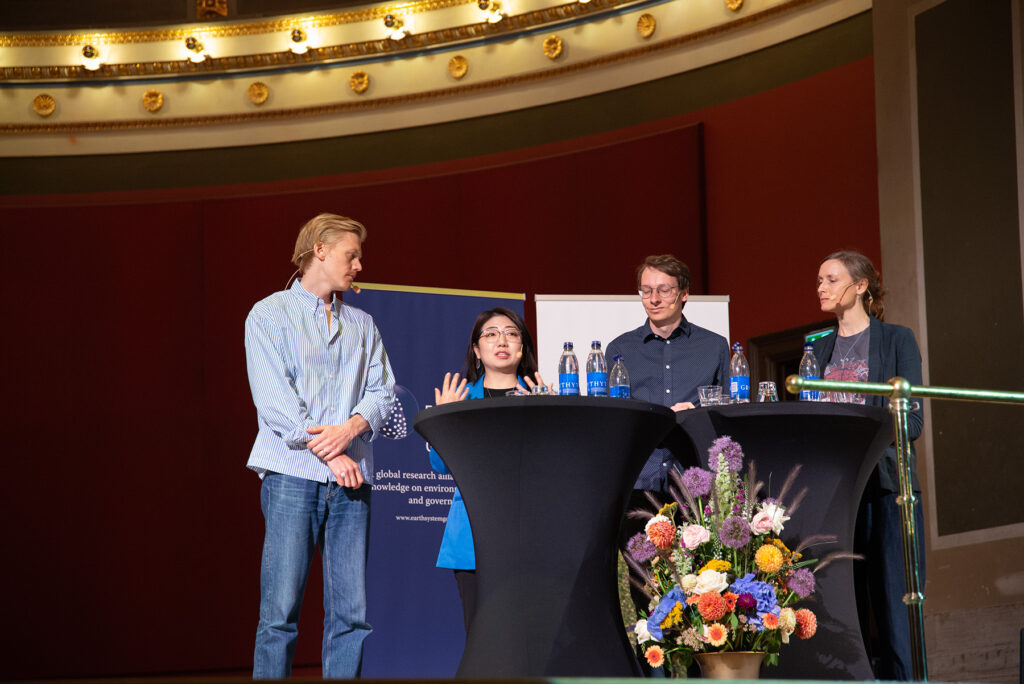
I den avslutande plenarsessionen diskuterade även unga forskare och företrädare för forskningsfinansiären Formas, Anna Kaijser, vilka vägar framåt som behövs i forskningen. Fvth Oskar Lindgren, UU; Hyeyoon Park, University of Stirling; Niklas Löther, University of Easter Finland; Anna Kaijser, Formas.

Workshopar kan ge forskningsperspektiv över tid

Ett 100tals forskare hade tagit initiativ och organiserat 33 workshopar under NESS, där ungefär 15 deltagare per workshop presenterade och diskuterade sammanlagt mer än 330 utkast av vetenskapliga artiklar. En person som har lång erfarenhet med NESS konferenser är Sverker C. Jagers, tidigare Zennström gästprofessor vid Uppsala Universitet. I år medverkade han i workshopen ”Closing the Legitimacy Gap”. Sverker berättar att hans grupp har träffats vid tidigare NESS-konferenser för presentationer och diskussioner om miljöpolicy, acceptans och policydesign i olika former. Han noterade särskilt att alltfler studier inom området är numera experimentella, att det har skett en breddning från fokus på klimatstyrmedel till även styrmedel som gynnar biodiversitet på land och i hav, samt att alltfler studier omfattar internationella jämförelser. Fortfarande sker flest studier i OECD-länderna, men Sverker hoppas att få se en breddning också till Globala Syd i framtiden.

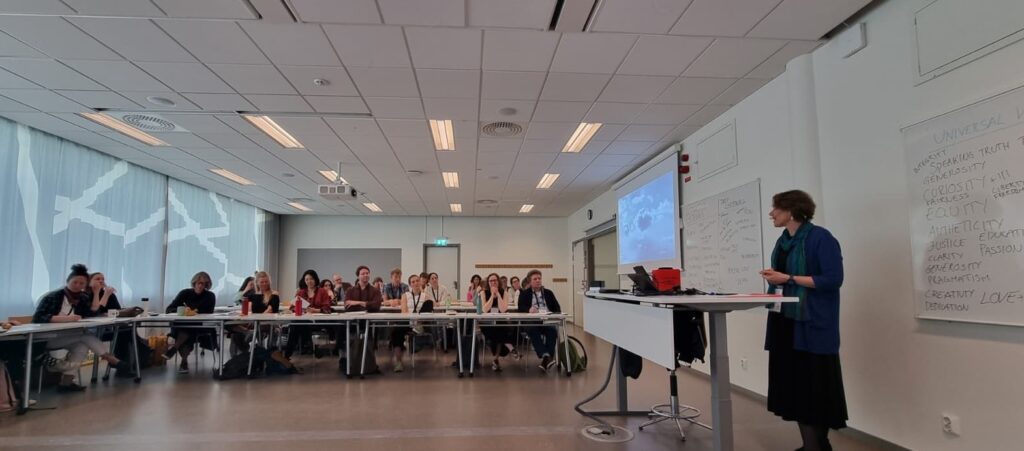
Deltagarna var överlag mycket positiva till workshoparna och lyfte fram hög kvalitet på moderering, engagerade och väl förberedda deltagare samt ett öppet, konstruktivt och stödjande diskussionsklimat. Många uppskattade den goda gruppdynamiken, de värdefulla återkopplingarna och känslan av gemenskap. Några workshopar samlades även för en gemensam reflektion. Vi vill tacka alla workshop värdar som svarade på vår utlysning under hösten 2025 och som organiserade denna viktiga del av NESS konferensen.

Panelsamtal kring viktiga samhällsfrågor

På andra konferensdagens eftermiddag arrangerades parallella sessioner med talare och paneler.  Exempelvis ordnades en session kring temat “The Price of Going Green – Competing Claims on Land” av Maria Forsberg, som även var en av dem sju forskare vid Uppsala Universitet som utgjorde den vetenskapliga kommittén för NESS. Sessionen behandlade de svåra avvägningar som aktualiseras av den ökande efterfrågan på kritiska råmaterial.  Panelsamtalet belyste inte minst konflikter mellan å ena sidan klimatintresset, som alltmer sammanfaller med säkerhets-intressen och önskan om ökad europeisk och svensk autonomi, och lokal miljömässig och annan påverkan. Särskilt lyftes risker för biologisk mångfald och vatten, samt påverkan på traditionella verksamheter som rennäring. Behovet av långsiktig planering av resursutnyttjandet och välinformerat beslutsfattande lyftes fram, liksom utmaningarna med att hantera verksamheter där risker och nytta kan fördela sig olika mellan lokal, regional och global nivå.

Mikael Karlsson stod i samarbete med Naturskyddsföreningen för en panel som belyste hur allmänhetens syn på biologisk mångfald sträcker sig bortom välkända arter bland fåglar och däggdjur. Panelen diskutera hur stödet för skydd av mindre uppmärksammade arter, som t.ex. svampar, men även hela ekosystem kan stärkas. Fokus låg också på vilka strategier och styrmedel som kan främja ett bredare bevarande av biologisk mångfald.

Andra paneler arrangerades av STUNS om hur vi kan gå från forskning till tillämpning, av Formas och Finska miljöinstitutet Skye om dialogen mellan vetenskap och styrning, av och om den internationella panelen av Earth System Governance projektet, av forskningsprogrammet Landpaths om multifunktionella landskap, samt av ytterligare två forskare från den vetenskapliga kommittén för NESS, Katrin Uba  om politiskt engagemang och samhällsförändring, och Mats Målqvist om hantering av målkonflikter. Karen O’Brien erbjöd en praktiskt inriktade workshop som byggde på hennes keynote under första konferensdagen. Deltagare i hennes session fick lära sig hur begreppet sociala fraktaler kan hjälpa forskare att utforma projekt och initiativ som bidrar till att förändra system och kulturer på olika nivåer.
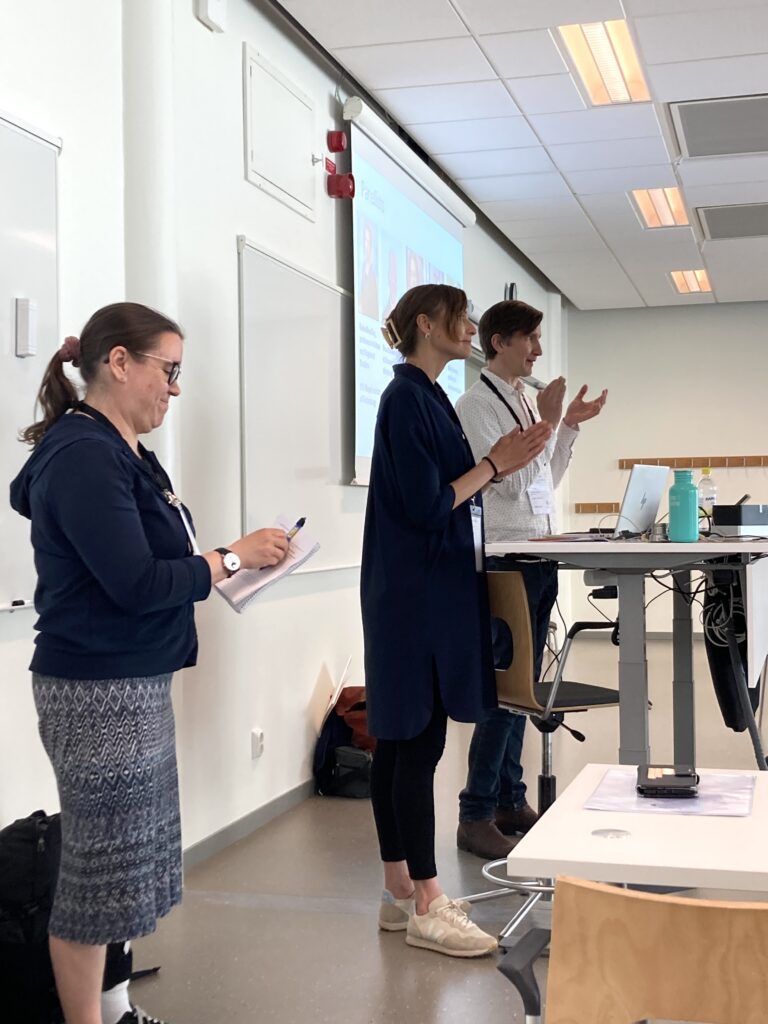
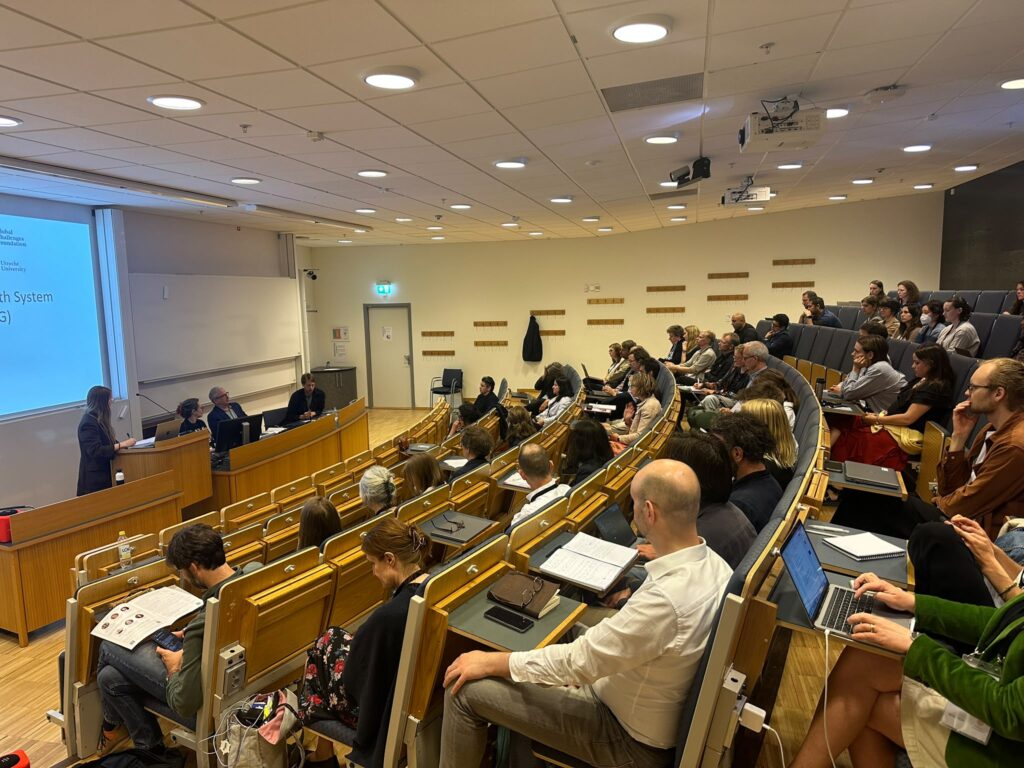
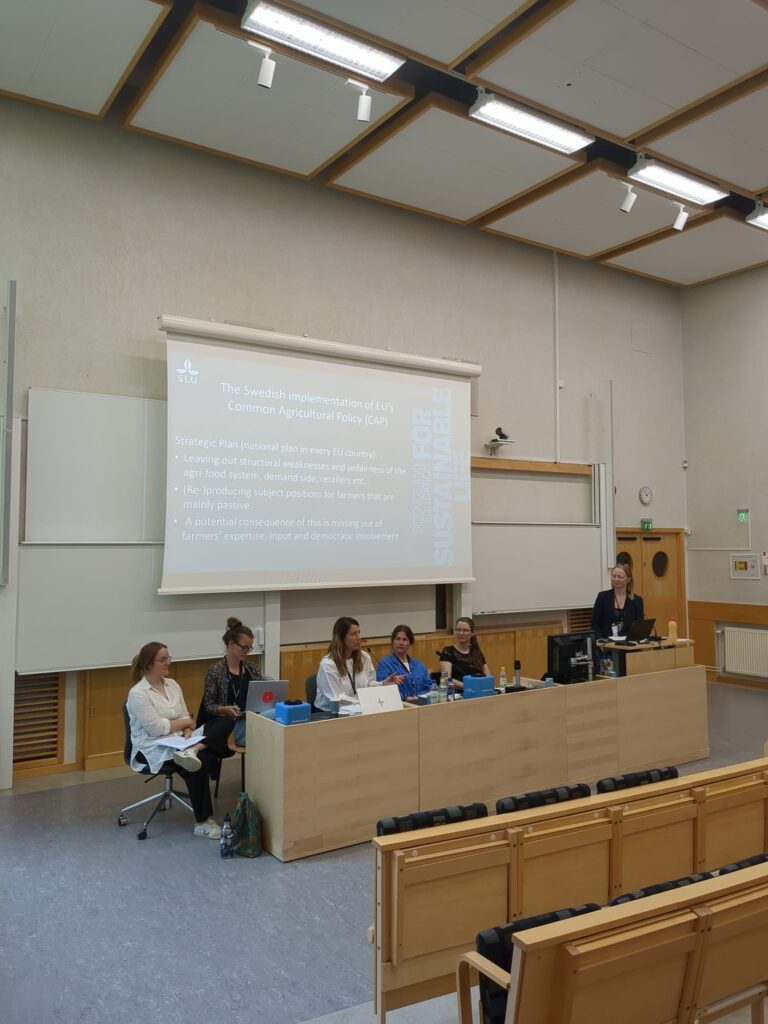
Den parallella sessionen “From Knowledge to Change: Strengthening the Dialogue Between Science and Policy” arrangerades av (fvth) Paula Schönach, Aalto University School of Business; Anna Kaijser, Formas; Juha Peltomaa, Finnish Environment Institute

Från sessionen “Why Environmental Social Science Needs a Global Assessment: Introducing the International Panel on Earth System Governance” med talarna Aysem Mert, SU, Thomas Hickmann, LU, David Schlosberg, University of Sydney. Moderator Matilda Petersson, SU.

Panelen i sessionen “Towards multifunctional landscapes – a dialogue on governance strategies and actors” med panellisterna (fvth) Fanny Möckel, UU, Sara Holmgren, SLU, Johanna Tangnäs, SLU, Frida Öhman, UU, Malgorzata Blicharksa, UU


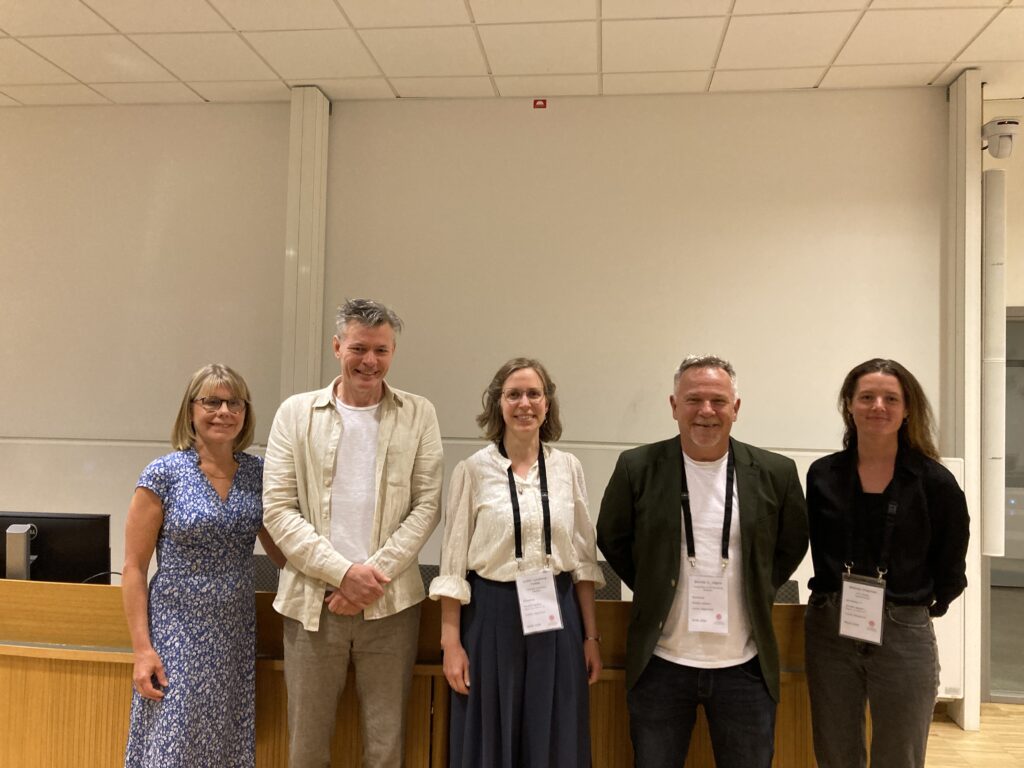
Panelen i sessionen “Beyond emblematic species – public attitudes and protective strategies”, fvth Karin Lexén, Svenska Naturskyddsföreningen, Mikael Karlsson, UU, Judith Lundberg-Felten, UU & SLU, Sverker C. Jagers, GU, Melissa Chapman, ETH Zürich

Sessionen “Fractal Approaches to Scaling Transformations to Sustainability” leddes av Karen O’Brien

Sociala aktiviteter lyfter Uppsalas omställningsarbete och kultur 

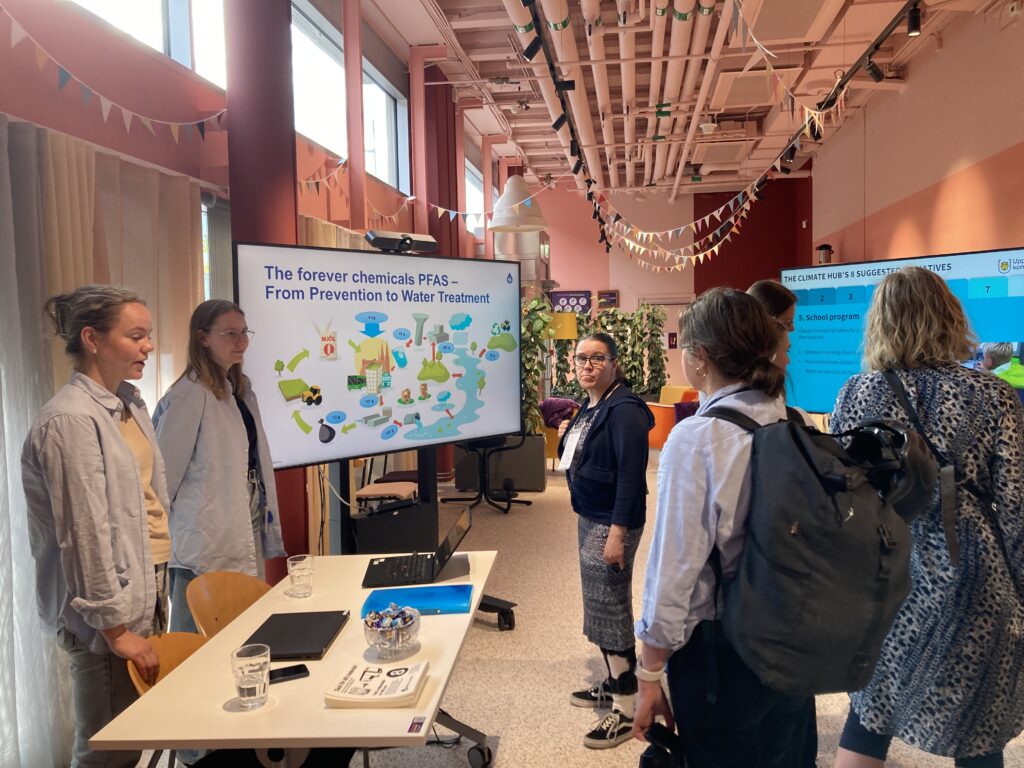
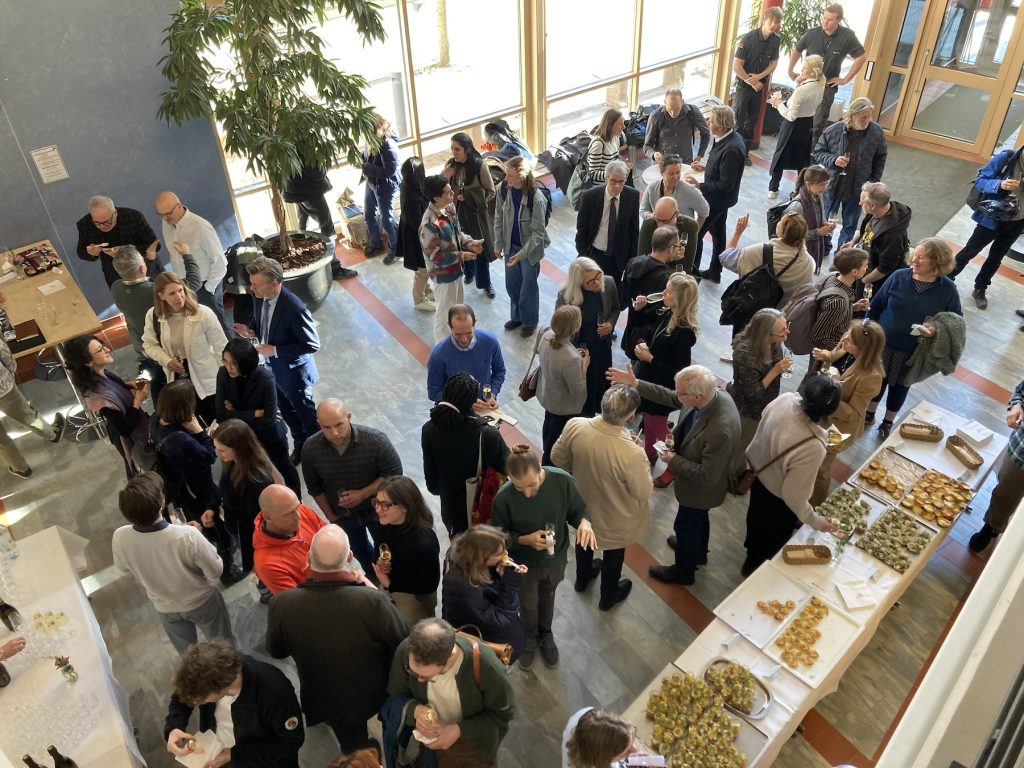
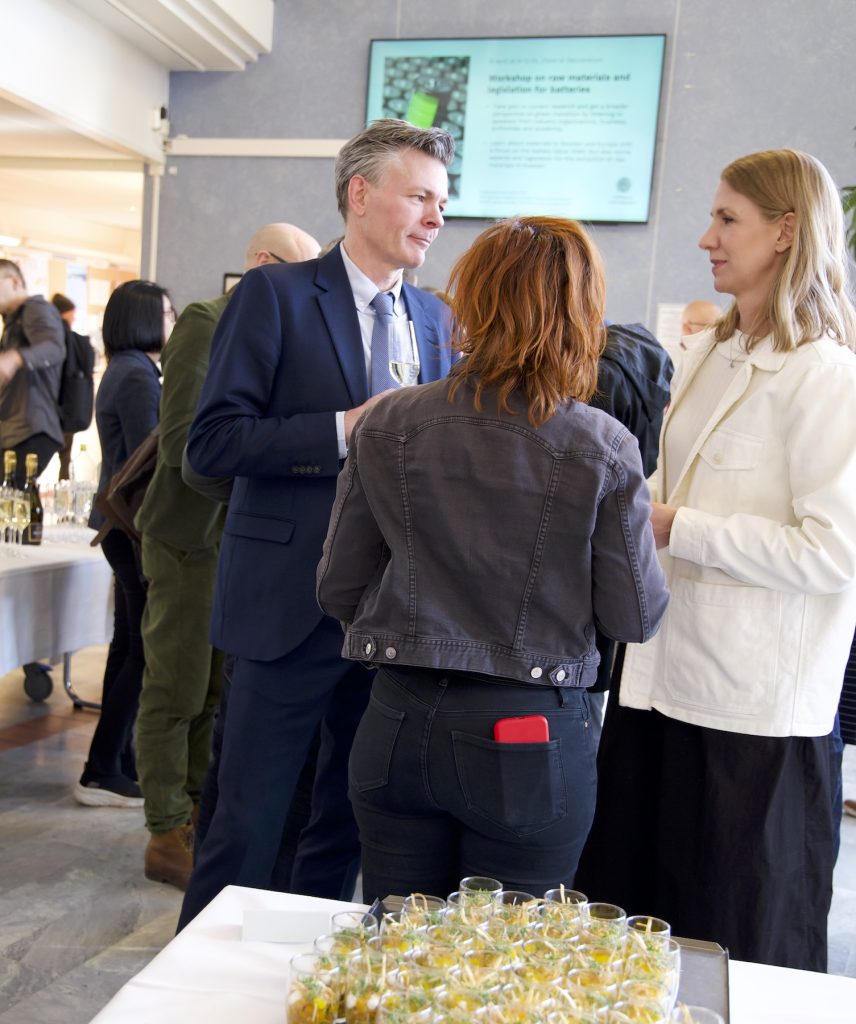
Utöver det vetenskapliga programmet genomfördes flera aktiviteter före, under och efter konferensen. Ett omfattande socialt program gav deltagarna möjlighet att uppleva Uppsalas kultur, politik och natur. Bland annat genom en mottagning i stadshuset där de 300-tals deltagare först välkomnades av Klas-Herman Lundgren, ordförande i Kommunfullmäktige,  vartefter det bjöds på tilltugg och interaktiva utställningar om Uppsalas hållbarhetsinitiativ såsom klimathubben, klimatprotokollet, hantering av miljögifter som PFAS, hållbar renovering och satsningar på att förbättra uppsalabors anknytning till naturen.

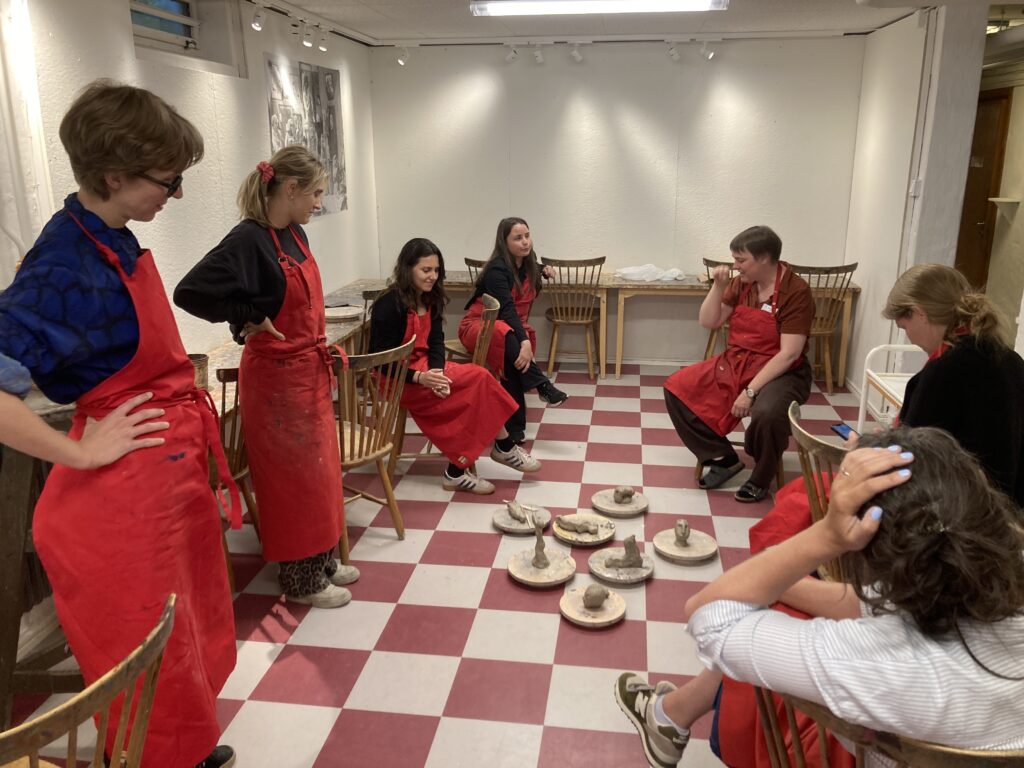
De sociala aktiviteter under konferensen bestod av en guidad tur i Hebys skogsområdet som leddes av Naturskyddsföreningen Uppsala och gav möjlighet till att diskutera hållbart skogsbruk, en guidad tur i botaniska trädgården, en guidning och skulpturworkshop i Bror Hjorths hus, en promenad i Linnés fotspår och ett avslappnade skogsbad i ett skogsområde. Sistnämnda ledde till en avslutande diskussion om hur klimatomställningen kan leda till målkonflikter när skogsområdet där skogsbadet genomfördes kommer att avverkas pga expansion och spårvagnsbygge i Uppsalas sydöstra stadsdelar. 

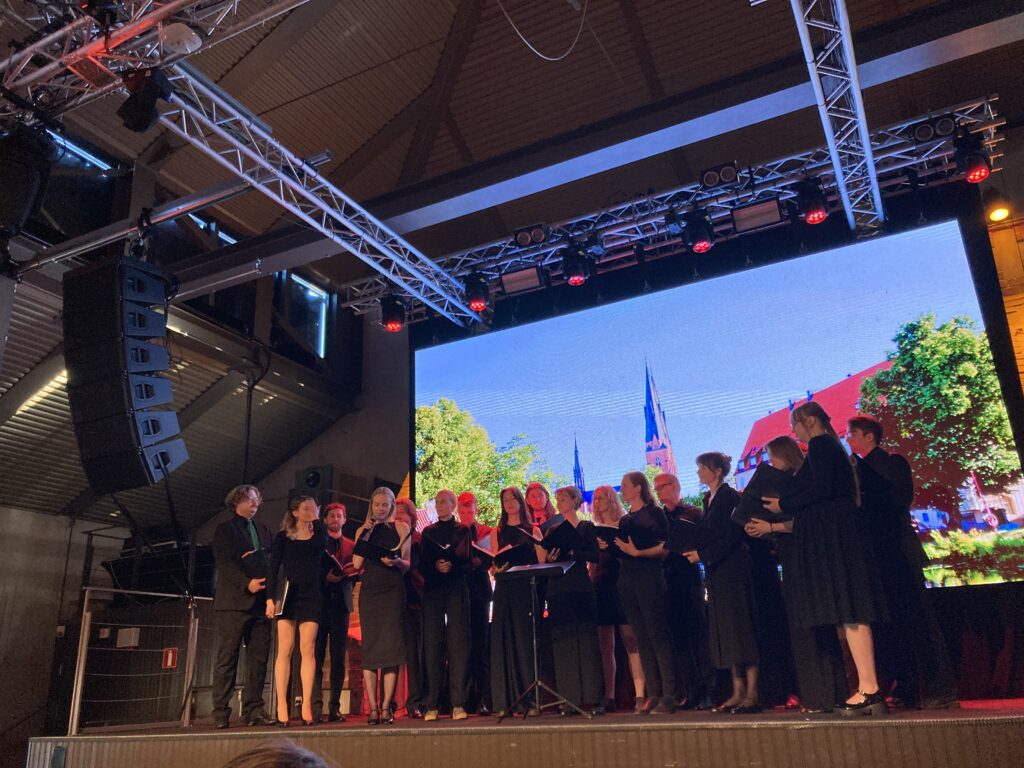
Konferensmiddagen organiserades i Uppsala saluhall med ett uppträdande av Gotlands nationskör som framförde både traditionell och modern repertoar. 
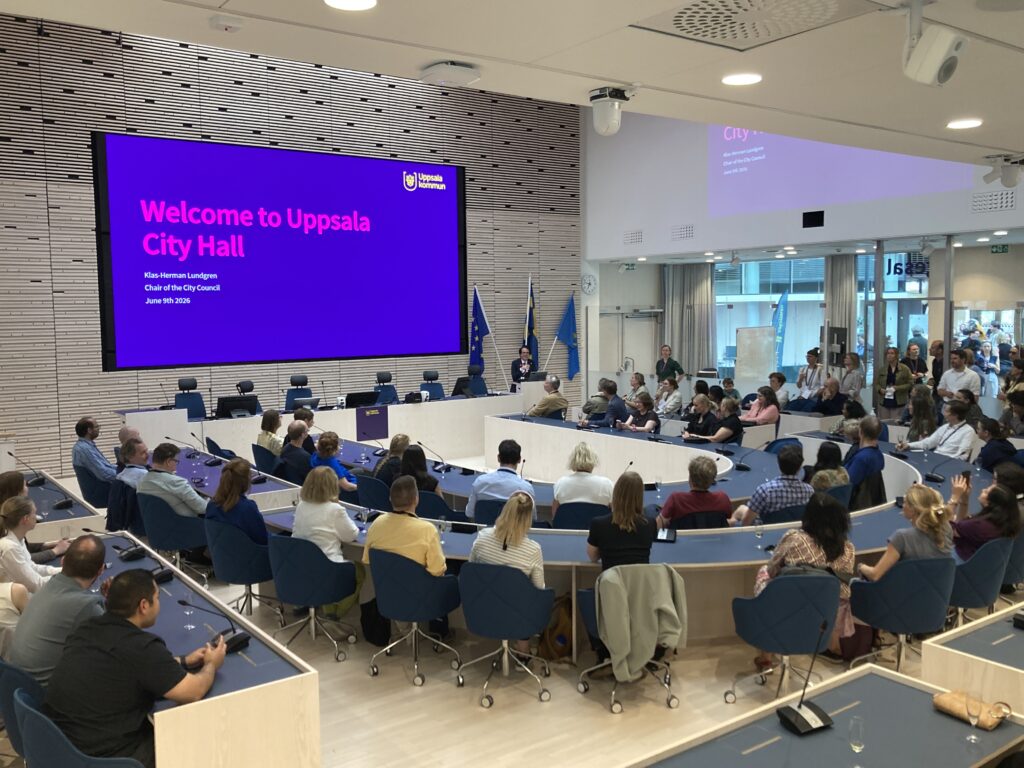
Klas Herman Lundgren välkomnade konferensdeltagarna till receptionen på stadshuset i Uppsala

I stadtshuset fanns möjlighet för konferensdeltagarna att titta på en interaktiv utställning om Uppsalas olika hållbarhetsinitiativ.

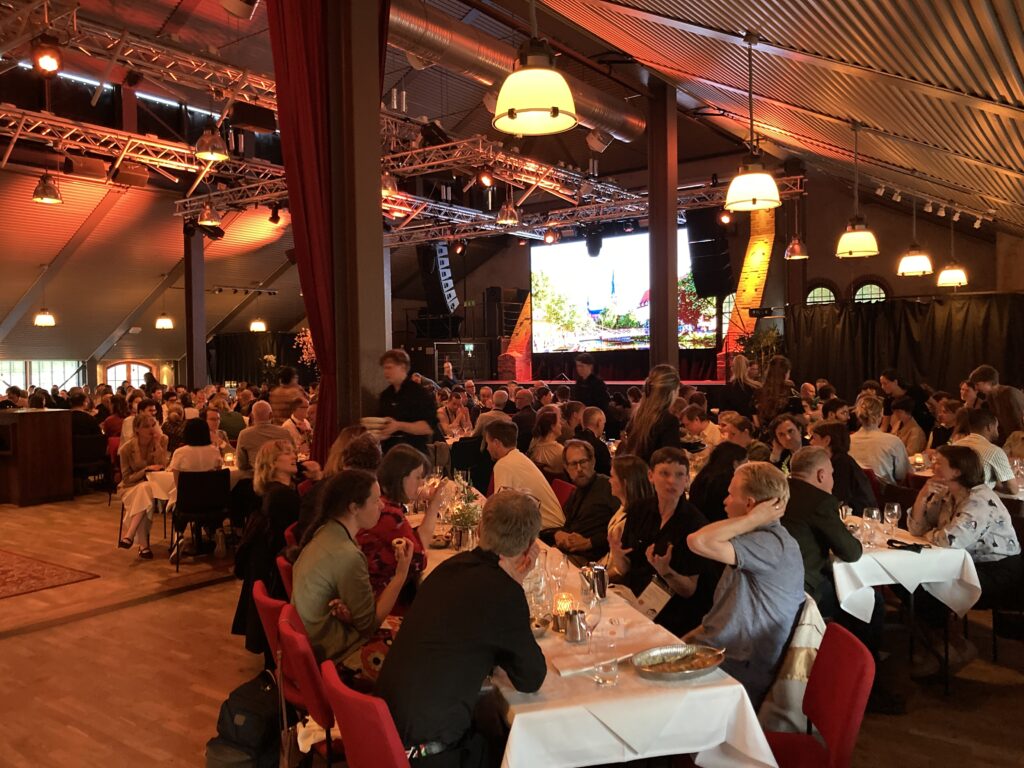
Konferensmiddagen med fler än 300 deltagare på Hyllan, Uppsala Saluhallen

Gotlands nationskör bjöd på underhållning under middagen.

Skulpturworkshop vid Bror Hjorths hus

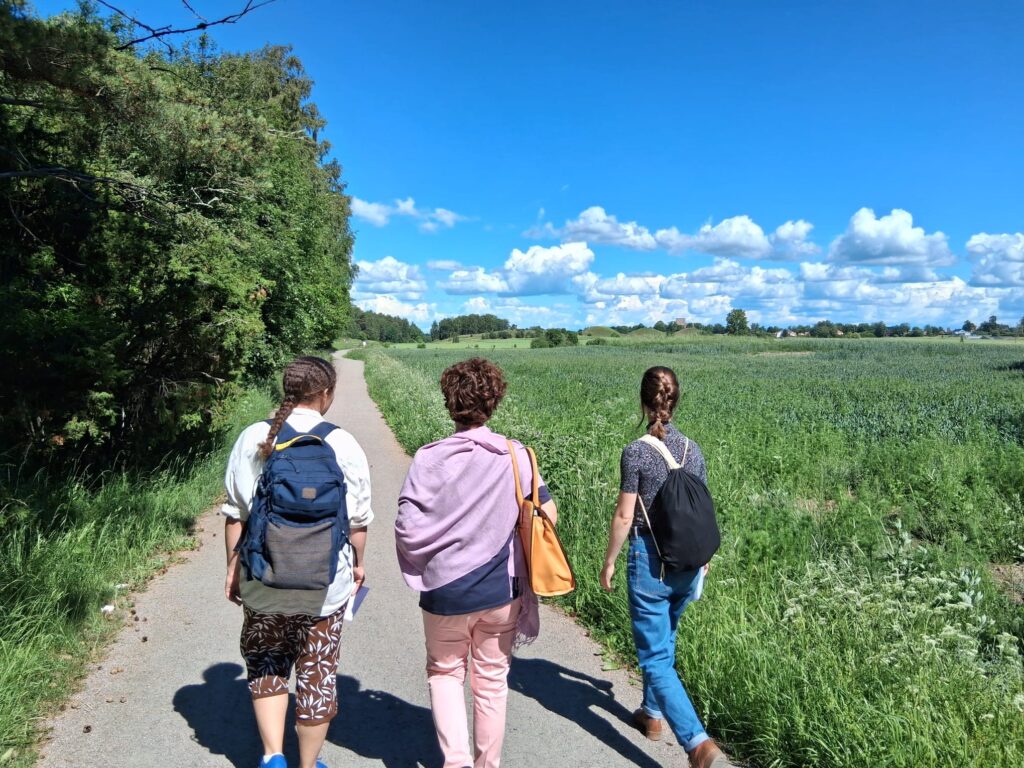
Vandring i Linnés fotspår från Uppsala city till Gamla Uppsala

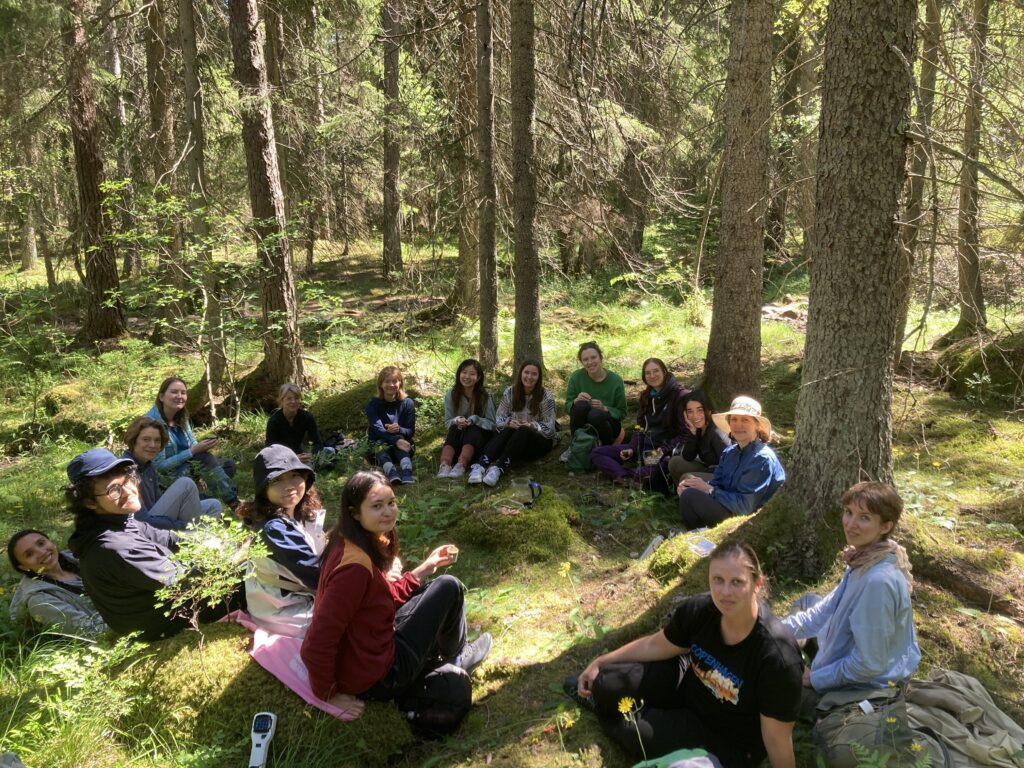
Skogsbad norr om Lunsens naturreservat

Vetenskap på stan

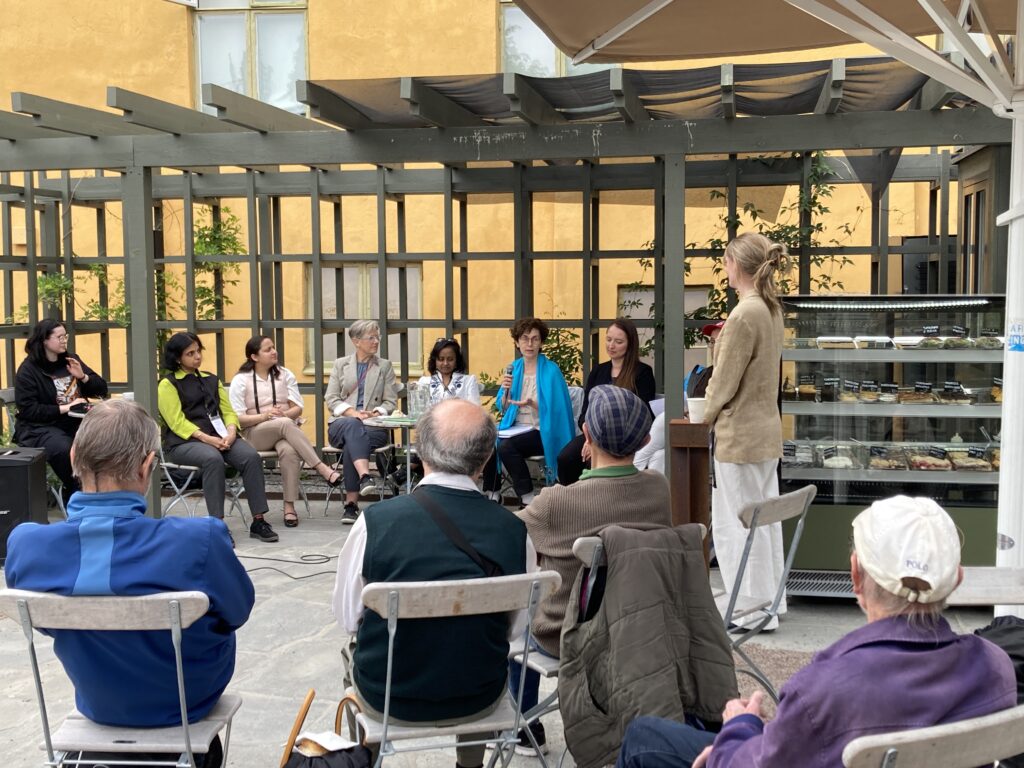
En viktig del av årets konferens var satsningen NESS för allmänheten, där delar av programmet öppnades för allmänheten. Med finansiell stöd av Världsklass Uppsala bjöds studenter, organisationer, företag och invånare in till konferensens plenarsessioner, ett seminarium Klimat i motvind: Polarisering, klimatmotstånd och vägar framåt på stadsbiblioteket i Uppsala och “fika med forskare” i Linnéträdgården.  Under fikat med forskare presenterar sju forskare sin insyn i vår tids stora omställningsfrågor, som återställning av våtmarker, klimaträttvisa, grön omställning, urfolksrättigheter, tankesmedjor och mer inkluderande sätt att skapa kunskap. Syftet med NESS för allmänheten var att stärka dialogen mellan forskning och samhälle och att synliggöra hur hållbarhetsforskning kan omsättas i praktiken och att främja ömsesidigt kunskapsutbyte.
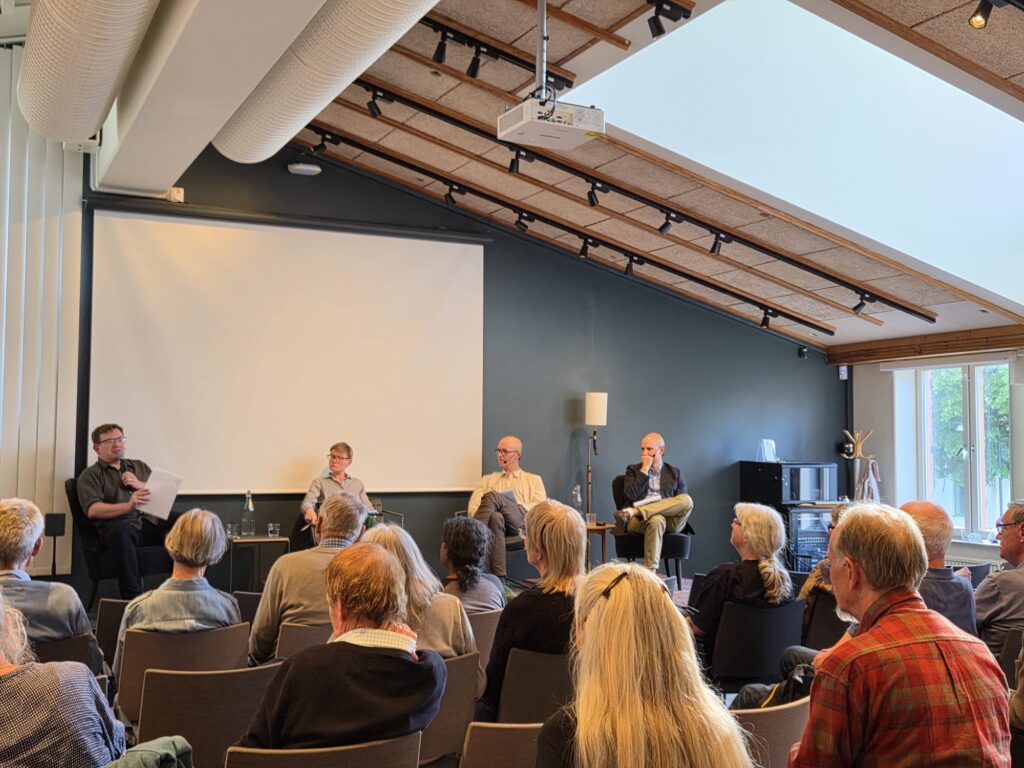
Föredrag och panelsamtal på biblioteket i Uppsala gav allmänheten möjlighet att träffa några forskare som hade kommit till Uppsala för att vara med på NESS konferensen. Forskarna som höll föredrag på biblioteket var Eric Brandstedt, Lunds universitet, Luis Harrison, University of Brighton, Gracia Brückman, Bern University och Lauri Peterson, Uppsala universitet / UEF. Moderator var Karin Thalberg, UU

Fika med forskare i Linnéträdgården modererades av Karin Thalberg, UU. Talarna var Shivangi Shreya, Nandita Singh, Sara MacBride-Stewart, Sini Numminen, Anudini Wijayarathna, Jonathan Feldman och Christina Marouli, samtliga deltagande konferensdeltagare vid NESS.

Hållbarhet i praktiken kring NESS konferensen

Hållbarhet genomsyrade även konferensens genomförande, bland annat genom att organisatörerna hade stämt av med Feiroz restaurang på Blåsenhus och Segerstedt restaurang att erbjuda vegetariska måltider baserade på lokala och ekologiska råvaror som uppskattades av deltagarna. Studentvolontärer bidrog med viktigt stöd som säkerställde ett smidigt arrangemang.  Deltagarna gav mycket positivt återkoppling kring kvalitén och genomförande av konferensen. 

NESS 2026 har därmed inte bara varit en forskningskonferens, utan också en plattform för samverkan, dialog och utveckling av lösningar för en hållbar framtid, samt en möjlighet att leva upp till omställning i praktiken genom klimatsmarta matval.

Sponsorer och samarbetspartners för konferensen var: Carl Tryggers Stiftelse, Världsklass Uppsala, Uppsala Kommun, Naturskyddsföreningen.

Text av Karin Thalberg och Judith Lundberg-Felten.
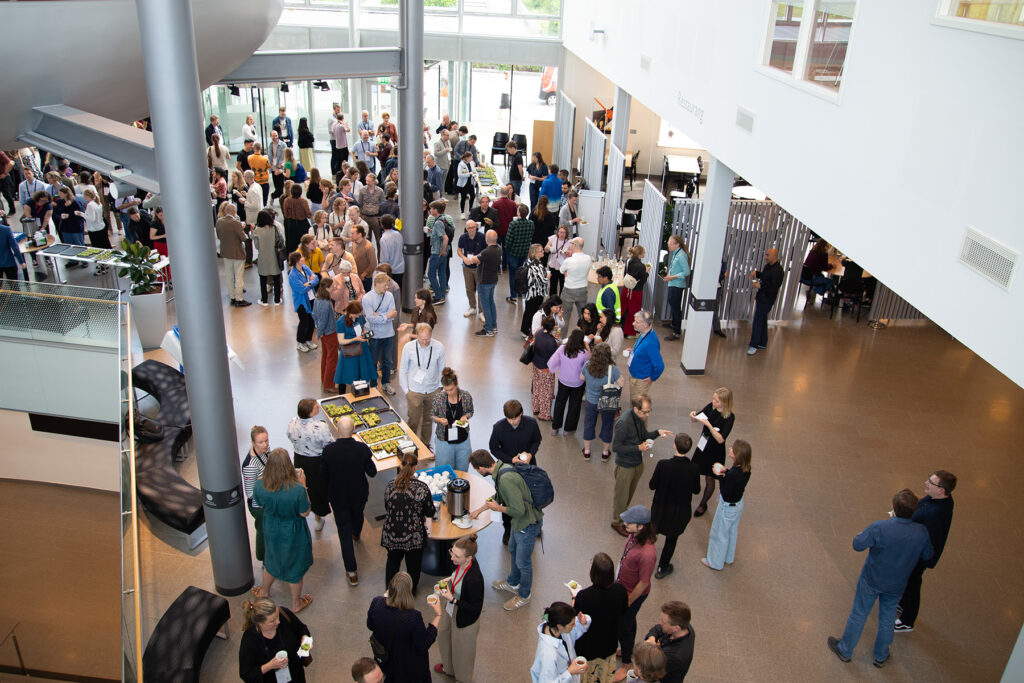
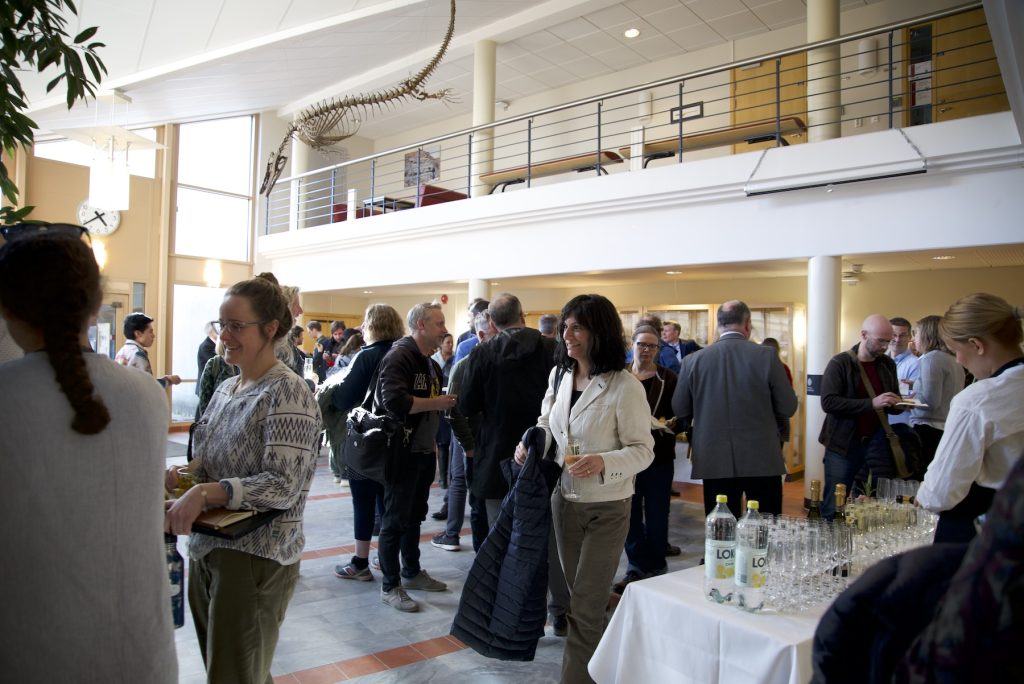
Fika serverades på Blåsenhus med bakelser från lokala baggerier och goda mackor med grönärts- och gråärtshummus.

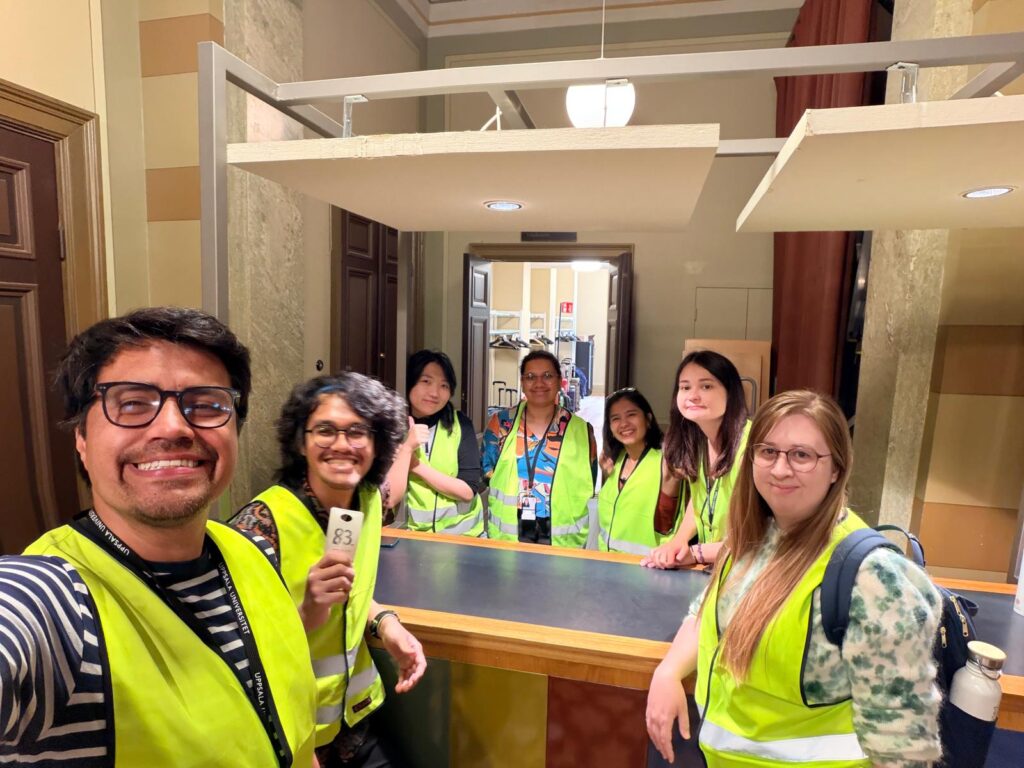
Ett glatt gäng studentvolontärer från UU utgjorde en stor hjälp under konferensen.

Hang Nguyen och Karin Thalberg från enheten för klimatledarskap stod till hjälp i konferenssekretariatet.

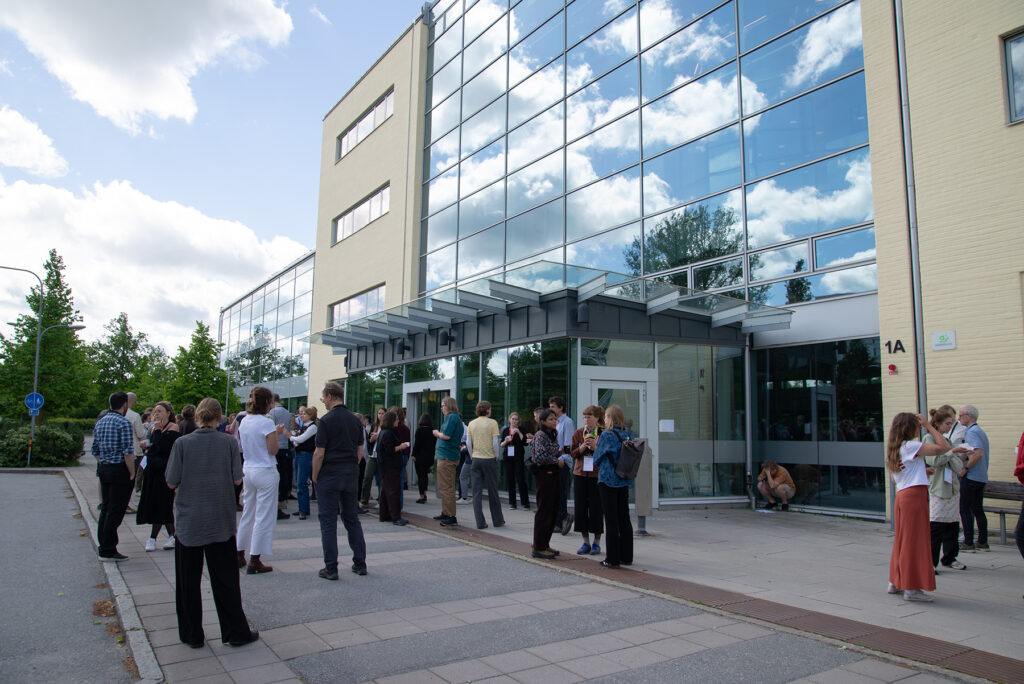
Det soliga vädret lockade många konferensdeltagare ut under fikarasten.

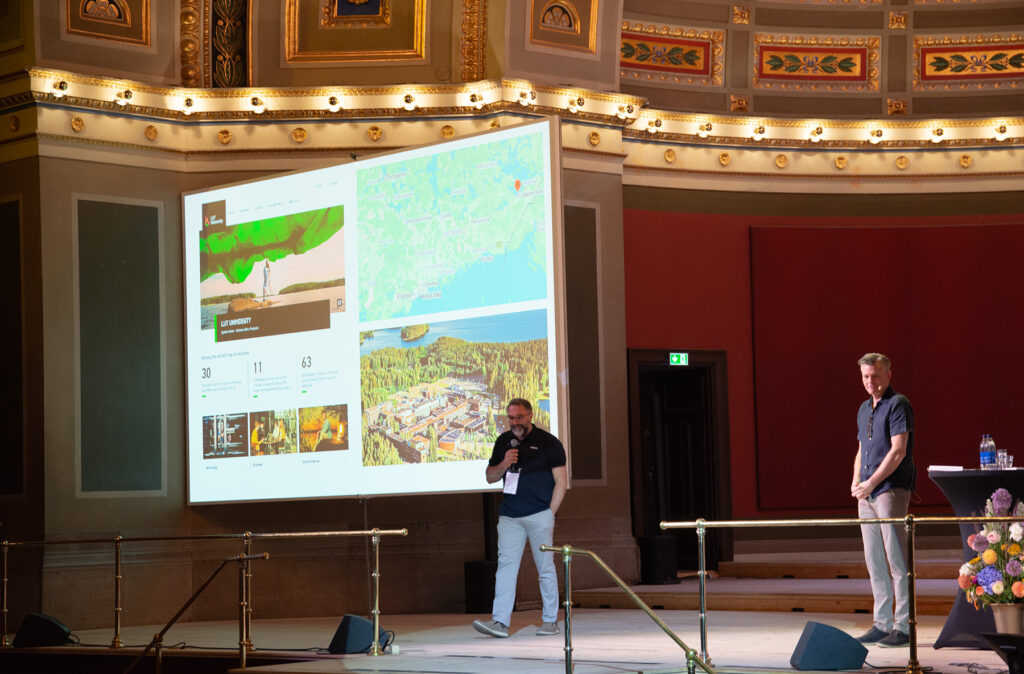
Salvatore Ruggiero tar över stafettpinnen för nästa NESS konferens som ordnas 2028 i Lappeenranta, Finland av LUT University.

Alla sitter på lösningar i klimatfrågan

Sedan början av mars är årets Zennströmprofessor i klimatledarskap igång med sitt arbete vid Uppsala universitet. Hon heter Karen O’Brien, är född i Tyskland, uppvuxen i USA och har bott i Norge sedan 1997. Hennes forskning går ut på att ta reda på hur människor och samhällen påverkas av klimatförändringarna och hur problemen kan motverkas.

Jag är intresserad av att skala upp lösningar på klimatförändringarna med fokus på människor, säger hon. Vi behöver inse att en rättvis och hållbar omställning av samhället är en nödvändig anpassning till klimatförändringarna.

Vi möts i Geocentrum vid Uppsala universitet där hon har sitt arbetsrum. Det är fredag eftermiddag. Vi slår oss ner och hon berättar att hon sökte Zennström-professuren eftersom den har rubriken ”Klimatledarskap”.  

Mitt forskningsämne sedan länge är att vi behöver en snabb och genomgripande förändring. Jag har tryckt hårt på att små förändringar kan ge stora resultat, och att många underskattar kapaciteten att motverka klimatförändringarna.

Karen O’Brien förklarar att vi ofta känner att det inte finns något vi som individer kan göra åt klimatförändringarna eftersom problemen är så stora.

Men när alla förstår att de behövs – inte bara för att minska våra klimatavtryck, utan också när det gäller vilka vi röstar på och hur vi pratar med våra nära och kära om klimatförändringar – då kommer vi att se att människor kan vara en del av många lösningar.

Hon säger att alla har lösningar:

Se fotbollslaget som diskuterar hur de ska resa till nästa match för att minska klimatpåverkan som ett exempel. Vi interagerar med många människor, och vi underskattar våra förslag och idéer.

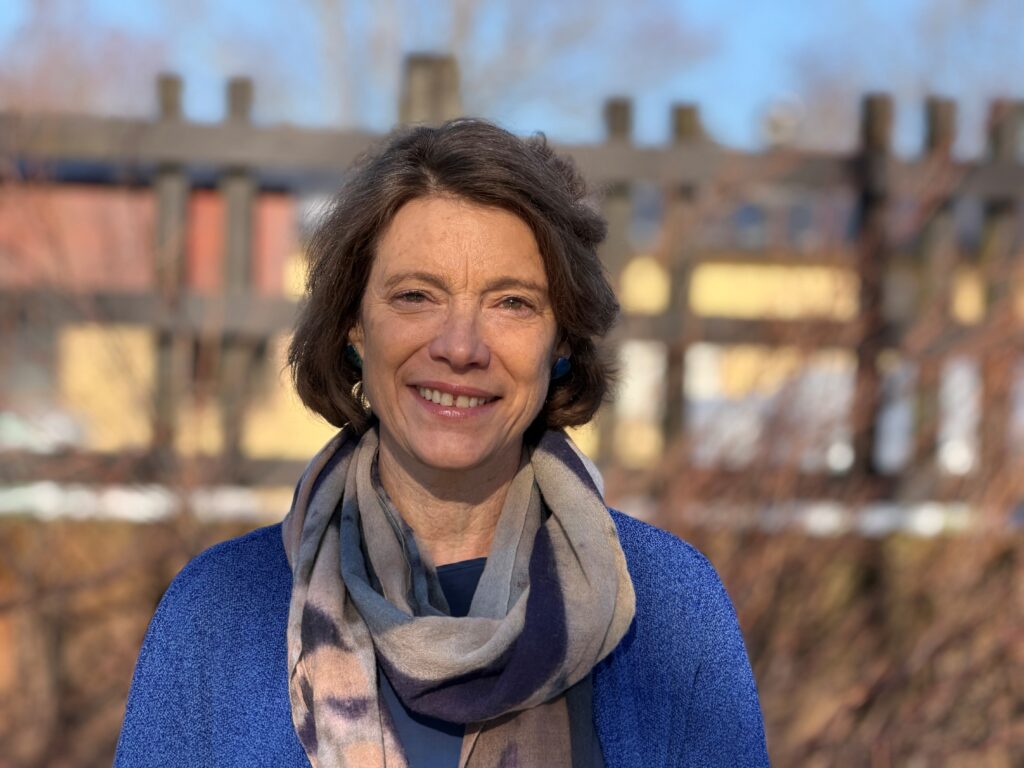
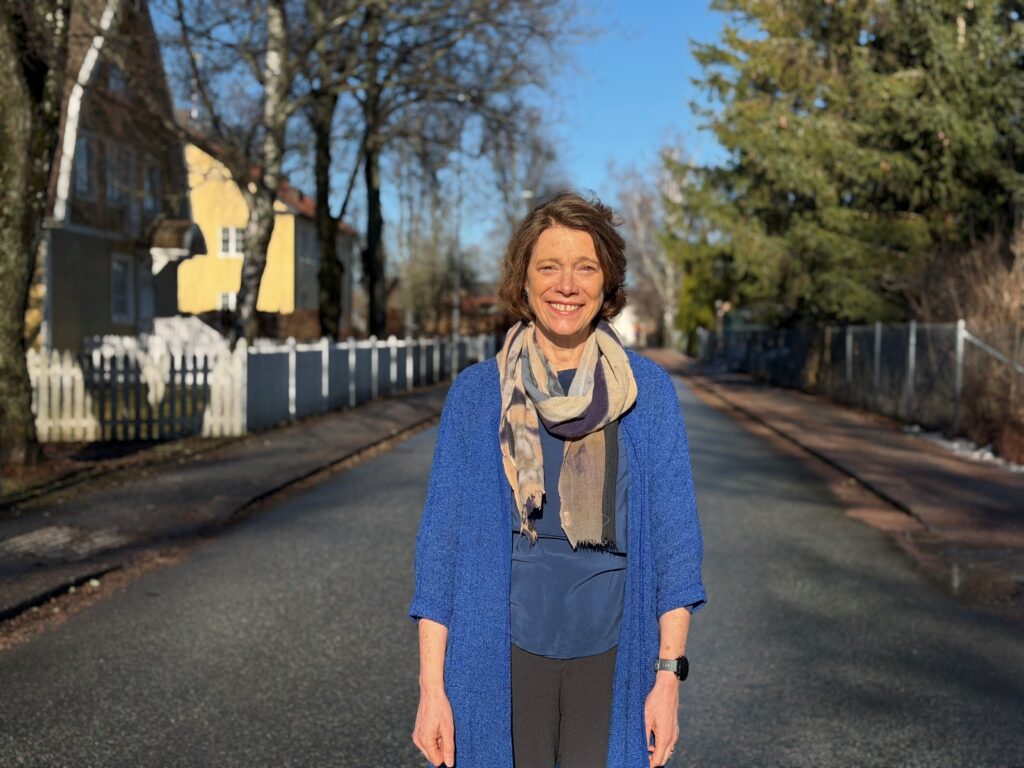
Karen O’Brien. Picture by Malin Eivergård.

Karen O´Brien säger att hon lär sig mycket av att vara på Uppsala universitet:

Det är jättebra att vistas i en forskningsgrupp där klimatfrågan är i fokus, med människor som fokuserar på lösningar. Jag lär mig mycket av forskarna här som kommunicerar om klimatförändringar till en bredare publik.

Som professor emerita vid Universitetet i Oslo vill hon använda sin tid i Uppsala till att fokusera på att förändra våra sätt att svara på klimatförändringarna. ”Hur pratar vi om förändring på ett annat sätt?” frågar hon.

Ibland pekar vi finger och säger att just ”du” måste ändra dig för att minska klimatproblemen, i stället för att inse att vi alla är subjekt som kan påverka.

Mitt senaste forskningsprojekt fokuserar på hur människor pratar om hållbar omställning. Vi har funnit att det trots skillnader finns många lösningar som människor är överens om. Vissa personer är inriktade på teknik som en lösning på klimatförändringarna, andra på jämställdhet och rättvisa. Eller på marknaden, och på hur vi förändrar vårt tänkande och agerande, förklarar Karen O’Brien. Alla dessa är viktiga, men vi behöver se dem tillsammans, inte som separata lösningar.

Klimatforskning omfattar politik, biologi, fysik, geologi, religion, psykologi och många andra fält.… men det är viktigt att ta in musik, teater och litteratur, så att vi verkligen kan nå människors hjärtan och skapa förändring tillsammans. Det kommer att få genomslag när allt fler engagerar sig i hållbar omställning. Var och en av oss betyder mer än du tror,” säger Karen O’Brien.

En artikel av Susanna Baltscheffsky.


Connecting Knowledge and Action: Karen O’Brien on Leadership, Narratives, and Transformative Change

On 2 March 2026, Karen O’Brien has taken up the position of Zennström visiting professor in Climate Change Leadership at Uppsala University. Karen is Professor Emeritus at the Department of Sociology and Human Geography at the University of Oslo and is internationally recognised for her work on how climate change affects people and societies.

Karen O’Brien, professor emeritus at the Department of Sociology and Human Geography at the University of Oslo, holds the 2026 Zennström Visiting Professorship at Uppsala University for the period March 2026–February 2027. Photo: Malin Eivergård

Social and human dimensions of climate change

Karen’s research focuses on the social and human dimensions of climate change and its consequences for human security. Karen is also  co-founder of cCHANGE, an organisation that supports society’s engagement in the transition to sustainability. With Karen O’Brien on board, Uppsala University gains a climate researcher who not only highlights the problems, but also provides clear, practical advice on how individuals and communities can act to meet the challenges of climate change.

Through her research Karen aims to find answers  to the questions:

  • How can societies adapt to changes that are already happening, such as extreme weather and environmental risks?
  • How can our everyday habits and values change to support more sustainable lifestyles?
  • How can organisations and local communities become more flexible and creative in their solutions?

Contribution to international climate and biodiversity panels and assessments

Karen O’Brien has contributed to several of the UN Intergovernmental Panel on Climate Change (IPCC) reports, in which researchers from around the world compile facts about the climate and how it affects people, communities and nature. The IPCC helps decision-makers with knowledge about risks, future scenarios and possible measures to reduce emissions and adapt society to a warmer climate. In her reports, O’Brien has contributed with knowledge about how social and cultural factors affect climate action and adaptation.

Karen has also been a co-chair of the Transformative Change Assessment by the  Intergovernmental Science-Policy Platform on Biodiversity and Ecosystem Services’s (IPBES). The assessment analyses the underlying causes of biodiversity loss and the fundamental societal changes needed to achieve the 2050 Vision for Biodiversity, which describes a world where “biodiversity is valued, conserved, restored and wisely used, maintaining ecosystem services, sustaining a healthy planet and delivering benefits essential for all people”. The report provides guidelines how such change can be achieved, identifies barriers to change, and what practical strategies and actions can promote equitable and sustainable transformative change globally.

Climate Leadership – from small steps to systemic change

Malin Eivergård, communicator at the Department of Earth Sciences, has interviewed Karen upon her arrival to Uppsala. Below we share Karen’s answers on climate leadership, communication, agency and responsibility.

What does climate leadership mean to you in today’s political and social climate?

Climate leadership means acting with integrity based on a recognition that we are one with nature in a way that acknowledges the justice dimensions of climate change — including intergenerational justice. Today, when few people in positions of authority seem willing to take climate change seriously, we need individuals, communities, organizations, and businesses to be climate leaders.

During your time as Zennström Professor, what kind of impact do you hope to make at Uppsala University?

I hope to discuss perspectives and approaches to transformative change and how they can be translated into action. I’d also like to learn more about how faculty, staff, and students are building bridges between knowledge and action.

What is the biggest misconception about societal transformation in the climate transition?

We often dismiss small and incremental changes as unimportant, when in fact small changes can make a big difference when they address the underlying causes of climate change and nature’s decline.

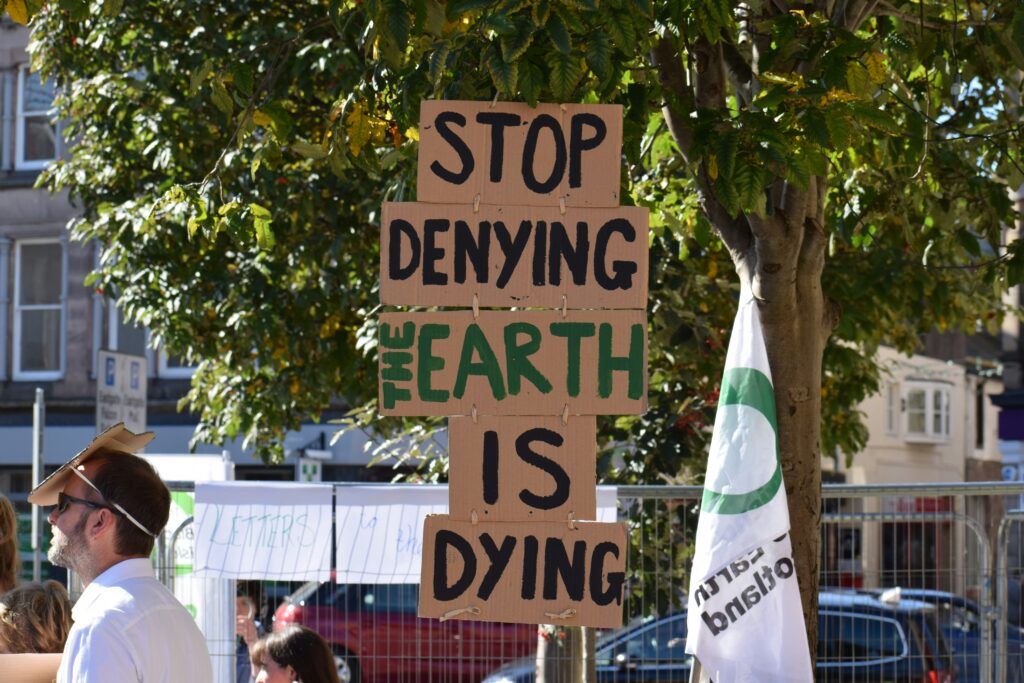
Recognizing that we are all part of the solution to climate change can create agency to contribute to systems change according to Karen O’Brien. Picture by Ma Ti (unplash).

Why climate denial persists — and how to respond

How do you view the rise of climate denial and climate skepticism?

The rise can be linked to the systematic spread of disinformation and misinformation, and to our failure to create a compelling narrative that recognizes people as the solution to climate change, rather than the problem. When we reduce people to their climate footprints and insist that they need to change, we overlook their agency and potential to contribute to systems change.

Why do you think some people resist or reject climate science?

There are many reasons, including cognitive lock-in and vested interests. In general, however, it is easier to look at the world through our current beliefs and assumptions than it is to question them and open our minds to other possibilities. It’s not surprising, as the willingness to be wrong takes some humility, but it is nonetheless harmful.

How should researchers and leaders respond to climate denial without deepening polarization? 

Asking questions, listening to people’s answers, and sharing data, information, and examples that they can relate to is often more helpful than telling people what to think. People tend to see and defend what they already believe, and this can reinforce polarization.

Is it still meaningful to engage with climate deniers, and if so, how?

I believe it is meaningful because climate deniers often include family members, friends, neighbors, and colleagues; we often limit ourselves to speaking with people who already care about climate change.  But it is also important to engage with the sources of disinformation and misinformation, recognizing that climate change challenges some worldviews and threatens the interests of those who benefit from the status quo, which includes many of us. 


Climate communication is more effective when we connect to values and listen to what the people we talk to care about, says Karen O’Brien. Picture by Malin Eivergård

Stories, values, and the power of climate communication

How important is communication in advancing climate action and climate leadership?

It’s essential. And it is more effective when we connect it to the values that we care deeply about and help people .

What distinguishes effective climate communication from communication that fails?

Effective communication involves both speakers and listeners (and writers and readers). To advance climate action, we must communicate authentically and listen in ways that connect with people and what they care about – not just what we care about. Effective communication often involves stories that encourage inquiry and reflection. One-way channels that convey climate information tend to fail.

How can universities better translate scientific knowledge into societal change?

There has been a shift away from translation of research towards knowledge co-production, but research itself still tends to be very abstract and jargony for many. The arts can play an important role in helping people to engage with and interpret research.

What role do narratives, values and emotions play in communicating climate science?

The three are closely related: communicating a compelling narrative about climate change that connects to people’s values can evoke emotions that motivate action. The presentation of research results in a neutral, dry manner usually often works better for academic audiences than for mobilizing action.

We can make an impact by engaging people in conversations and being part of initiatives related to the things we care about, says Karen O’Brien, and names gardering as one example. Picture by Sandy Clarke (unplash).

How we care for ourselves and what we care about  can create agency 

You often speak about human agency. What does that mean in a time of climate fatigue? It’s easy to feel tired and burnt out, especially when we do not see the results that we wanted.

To have agency in a time of climate fatigue involves recognizing that we matter and make a difference, even if we do not see immediate outcomes and impacts. Still, it’s important not to become martyrs and burn out. We are part of a collective, and sometimes it’s essential to step back and take care of ourselves, including our mental and physical health and our relationships.  Individual sustainability and global sustainability are linked, and we need regenerative approaches to both. 

What responsibility do researchers have beyond publishing scientific results?

It’s easy to feel that our impact is limited to projects, publications, and citations. But impact can include engaging people in conversations, talking to the media, establishing relationships of trust, and being part of initiatives related to the things we care about – music, art, sports, children’s education, gardening.  In other words, researchers have an opportunity to convey climate science across their multiple spheres of influence.

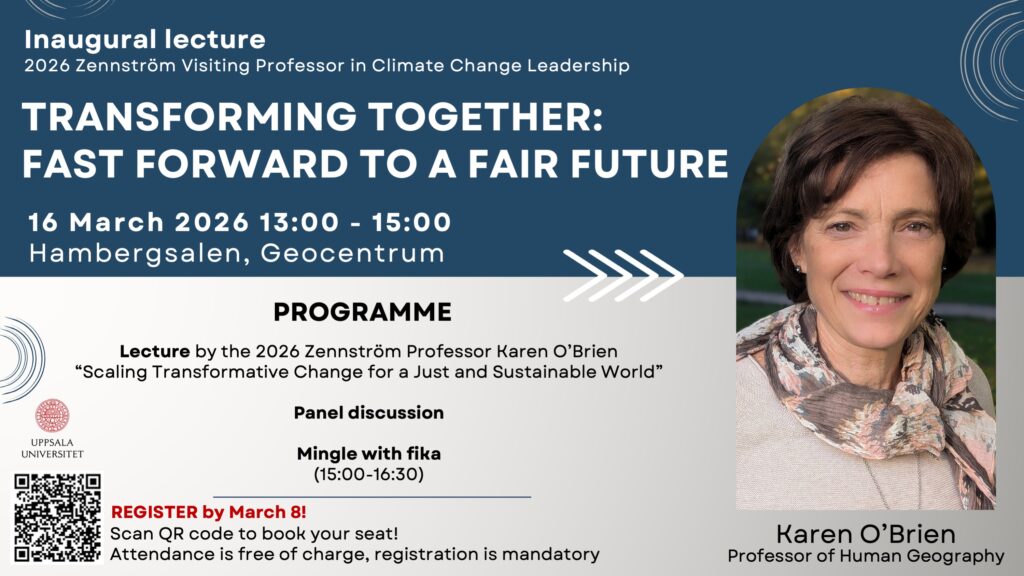
Announcement: Inaugural lecture – “Transforming Together: Fast Forward to a Fair Future “

Welcome to the inaugural lecture and panel discussion with Uppsala University’s Zennström Visiting Professor in Climate Change Leadership 2026, Karen O’Brien.

Karen O’Brien is co-founder of cCHANGE and Professor Emerita of human geography at University of Oslo. Building on decades of research on the social and human dimensions of environmental change, her current work focuses on connecting theory with practice to scale equitable and sustainable transformations. We are delighted about her appointment as the ninth Zennström Visiting Professor in Climate Change Leadership at Uppsala University.

The inaugural lecture is a welcome for Karen. The event will be held in English and takes place on Monday 16 March 2026 starting at 13:00 in Hambergsalen, Geocentrum (Villavägen 16) Uppsala University.

Programme of the event

  • 13:05 Welcome message by Anders Hagfeldt, Vice-chancellor Uppsala University
  • 13:15 Lecture by the Zennström professor 2026 Karen O’Brien

    Scaling transformative change for a just and sustainable world
    The scale of the climate crisis challenges us to think, organize, and act differently. To do so, we may need to relate differently to ourselves, each other, nature, and the future. Drawing on my past research on climate change impacts, vulnerability, and adaptation and the recent Transformative Change Assessment of the Intergovernmental Science-Policy Platform on Biodiversity and Ecosystem Services (IPBES), this talk will focus on the importance of engaging with the practical, political, and personal spheres of transformation, as well as my current work on fractal approaches to scaling transformations to sustainability. Finally, I will consider some of the implications for climate change leadership, with an emphasis on why we matter more than we think.

  • 13:50 Panel discussion “Transforming Together: Fast Forward to a Fair Future” 
    Panel I: Anna Rosling, Mats Målqvist and Daniel Lindvall. 
    Panel II: Laila Mendy, Oskar Lindgren and Charlotte Bunge
    Moderator: Mikael Karlsson
  • 14:30 Discussion with all participants and the audience
  • 15:00 – 16.30 Mingle with fika

Please note that registration is mandatory and the number of seats is limited. The deadline for registration is 8 March 2026.

Opportunities within the Earth System Governance Network

In spring 2025 the international project office of the Earth System Governance network transitioned from Utrecht to Uppsala University. The Earth System Governance Project (ESGP) is a global, interdisciplinary research network advancing knowledge at the interface between global environmental change and governance. It connects scholars worldwide from social sciences and humanities to explore innovative political solutions and effective strategies.

The ESG project was founded in 2008 and unites today more than 600 researchers. The network brings together its members in different ways. Taskforces and working group provide opportunities to collaborate on pressing issues related to climate change biodiversity loss and global governance of these questions. The South-South Initiative within the network seeks to strengthen the ESG network in the global South. Activities for Early career researchers, such as meetings organized by the Early Career committee and a mentorship program also open opportunities specifically for young researcher globally. The ESG community gathers once per year at its annual conference, which is planned to be held in Uppsala in the coming years. The monthly newsletter keeps the ESG community members informed about both internal activities in the network and external opportunities among the network members and newly published literature.

The networks international project office (IPO) organizes or co-organizes network activities and is a crucial part of the ESGP. The IPO transitions between universities every five years. In an earlier phase it had been based at Lund University before moving to Utrecht University in the Netherlands. The next transition happened earlier this year after CCL successfully attracted funding for the project office from Zennström Philanthropies and Uppsala University’s UUnicorn initiative. This funding has allowed to create two full time positions, for a project coordinator (Hang Nguyen) and a research assistant (Karin Thalberg), that have been running the daily tasks of the network since May 2025. The operations of the international project office are led by Mikael Karlsson, head of CCL, and complemented by Judith Lundberg-Felten, project coordinator at CCL. The transition of the IPO was further facilitated by the presence of ESGP founder Frank Biermann, and Scientific Steering Committee member Aarti Gupta as Zennström professors at Uppsala University during spring 2025.

In a recent interview, Mikael Karlsson expressed that the presence of the network at Uppsala University can provide opportunities for researchers locally to engage in international collaborations and attract funding in such constellations.

We encourage researchers with an interest in ESG topics to apply to become a research fellow within the ESGP and contribute to and benefit from this vibrant global research community.

CCL to host NESS 2026

The Climate Change Leadership group at Uppsala University will host the Nordic Environmental Social Science Conference in 2026. The conference will take place take place from June 9-11 2026 at Uppsala University.

The NESS conference has a long history of over 30 years of bi-annual gatherings of researchers within the broad field of social science and humanities approaches to environmental studies among the Nordic countries and beyond. The conference brings together scholars across research fields for meeting and discussing interdisciplinary knowledge co-production and co-creation for sustainability. It include a range of plenary sessions, but are particularly characterised by a stream of parallel workshops, focused on in-depth discussions of draft scientific articles.

The conference theme for NESS2026 is “Bridging the Gaps” and will, for example, offer discussions around the following questions

  • How can gaps between environmental goals and implementation be bridged in policy and practice?
  • How can scientific knowledge be more effectively integrated into policymaking, and how can policy needs better inform research?
  • What characterises fruitful interdisciplinarity and transdisciplinarity – including co-production of knowledge – in science and policy, and how can it be advanced?
  • How can gaps between science and society – and scientists and practitioners – be overcome?
  • How can significant divides among different environmental disciplines be bridged?


A call for workshop proposals closed on 7 September 2025 and resulted in nearly 70 submitted proposals. The CCL team is delighted to see that this opportunity is so well received. The scientific committee will now screen and select proposals, for which later this fall a call for abstracts for participants will open.

Read more about NESS2026 www.uu.se/ness2026

Daniel Lindvall holds his docent lecture

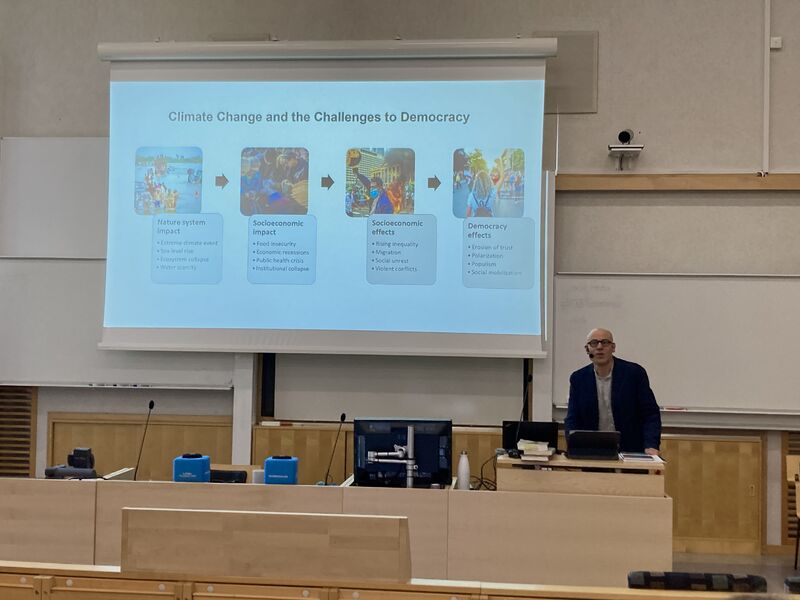
On August 29th 2025, CCL researcher Daniel Lindvall held his Docent lecture “Democracy in the Age of Climate Crisis” at the Department of Earth Sciences, Uppsala University.

Based on his research and his recent book, Climate Change and the Endurance of Democracy, he discussed how disasters and extreme weather events have historically affected human reasoning and agency and how the climate crisis may influence democratic development in the future. He demonstrated how these effects can contribute to democratic backsliding but also create new conditions for social mobilization and democratic vitalisation.

Congratulations, Daniel, for an interesting and pedagogically presented lecture on this highly important subject.

Daniel Lindvall at Hambergsalen during his docent lecture

Dålig klimatpolitik skadar ekonomin

Sänkta energiskatter på bensin och diesel är inte bara dålig klimatpolitik – det är också dåligt för ekonomin. Det visar en studie som CCL forskarna Jens Ergon och Mikael Karlsson, tillsammans med kollegor på KTH Royal Institute of Technology, Corvinus University of Budapest, Cambridge Econometrics och The Vienna Institute for International Economic Studies har nyligen publicerat i tidskriften Climate Policy.

Den 21 augusti 2025 publicerades även en tillhörande debattartikel i Svenska Dagbladet

Vetenskaplig artikel: Ergon et al. 2025 Modelling policy packages with combined climate, social, and macroeconomic goals: the Swedish case . Climate Policy.

Aarti Gupta and Frank Biermann in an interview with UUnicorn

Before their departure from Uppsala University, upon completion of their stay as Zennström guest professors in the end of July 2025, Aarti Gupta and Frank Biermann were interviewed by the UUnicorn initiative. The interview highlights their research, the involvement in the Earth System Governance network and their continued collaboration with Uppsala University even beyond their Zennström visiting professorships. Please read the interview here.

Inaugural lecture Aarti Gupta and Frank Biermann

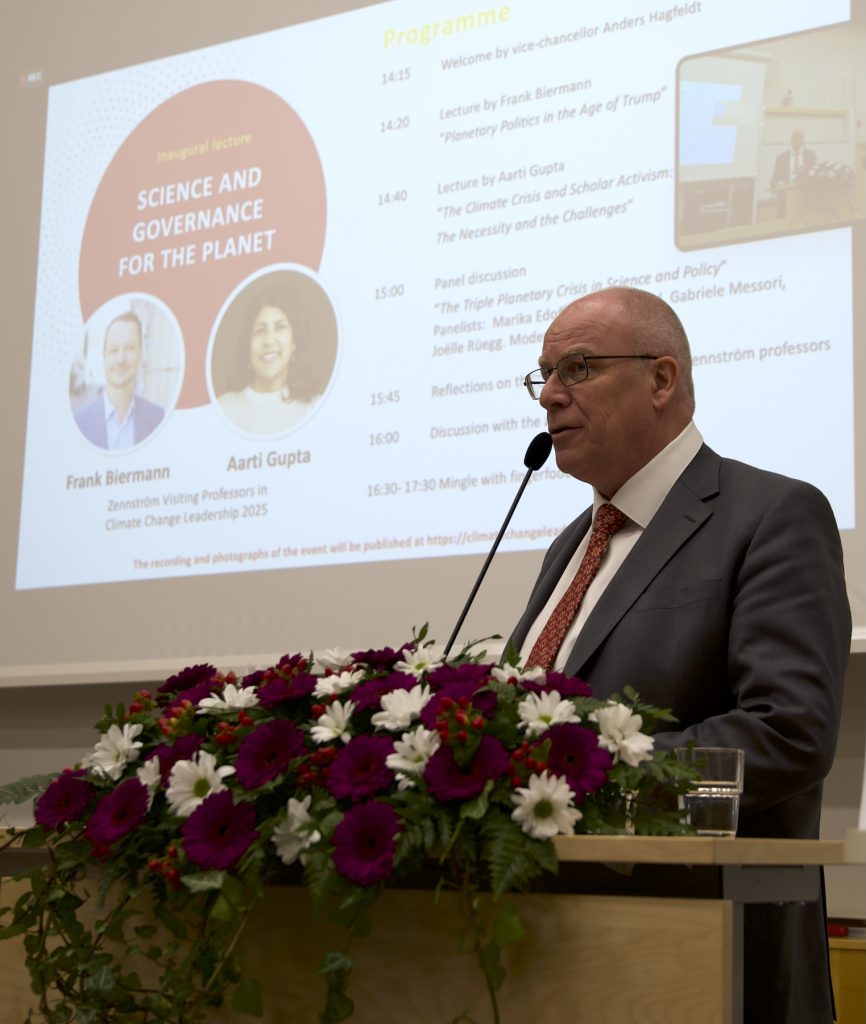
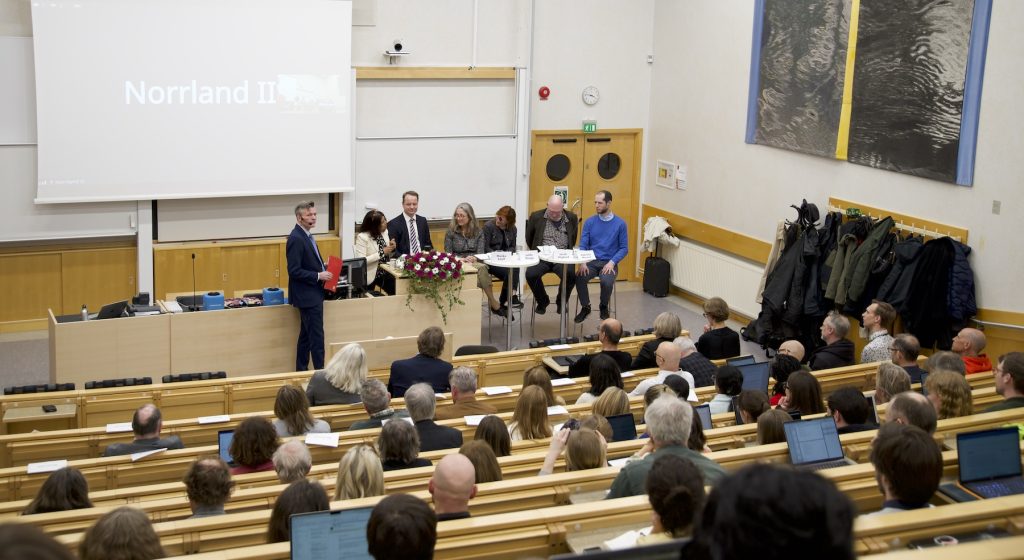
On 7 April 2025, the Zennström visiting professors in Climate Change Leadership, Aarti Gupta and Frank Biermann, delivered their inaugural lecture at Geocentrum, Uppsala University. The event, titled Science and Governance for the Planet, was opened by Vice-Chancellor Anders Hagfeldt and followed by a panel discussion on The Triple Planetary Crisis in Science and Policy. It brought together scholars and students eager to engage with urgent questions at the intersection of climate science and global governance.

Uppsala University’s vice-chancellor Anders Hagfeldt welcomes the audience. Photo: Frida Öhman

Planetary crisis in the time of Trump

“If you talk about planetary politics, you have to talk about climate change.”

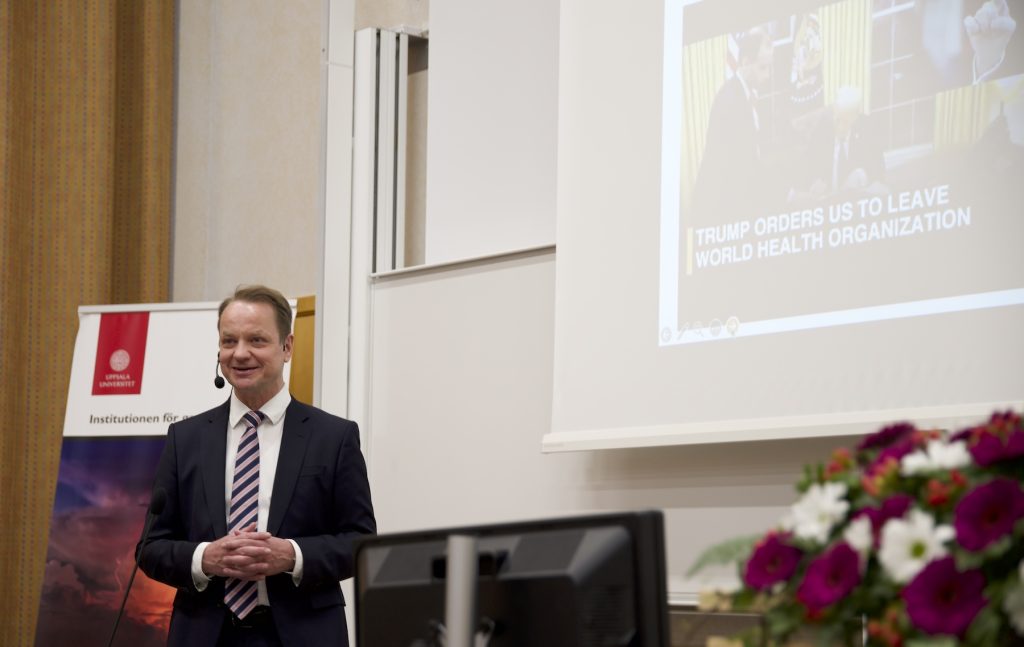
Frank Biermann, Professor of Global Sustainability Governance at Utrecht University and founder of the Earth System Governance Project, reflected on the state of planetary governance in an increasingly fractured world. He spoke about the theme of the Planetary crisis in the time of Trump, focusing on the impact of disengagement of the United States from international climate cooperation. According to Biermann, we are witnessing the end of what he described as “the long 1990s”—a period marked by optimism, global cooperation, and a belief in the progressive realization of a universal order. That era, he argued, is rapidly giving way to one of fragmentation, as the United States retreats from its commitments to the Sustainable Development Goals, the Paris Agreement, and possibly even the United Nations Framework Convention on Climate Change.

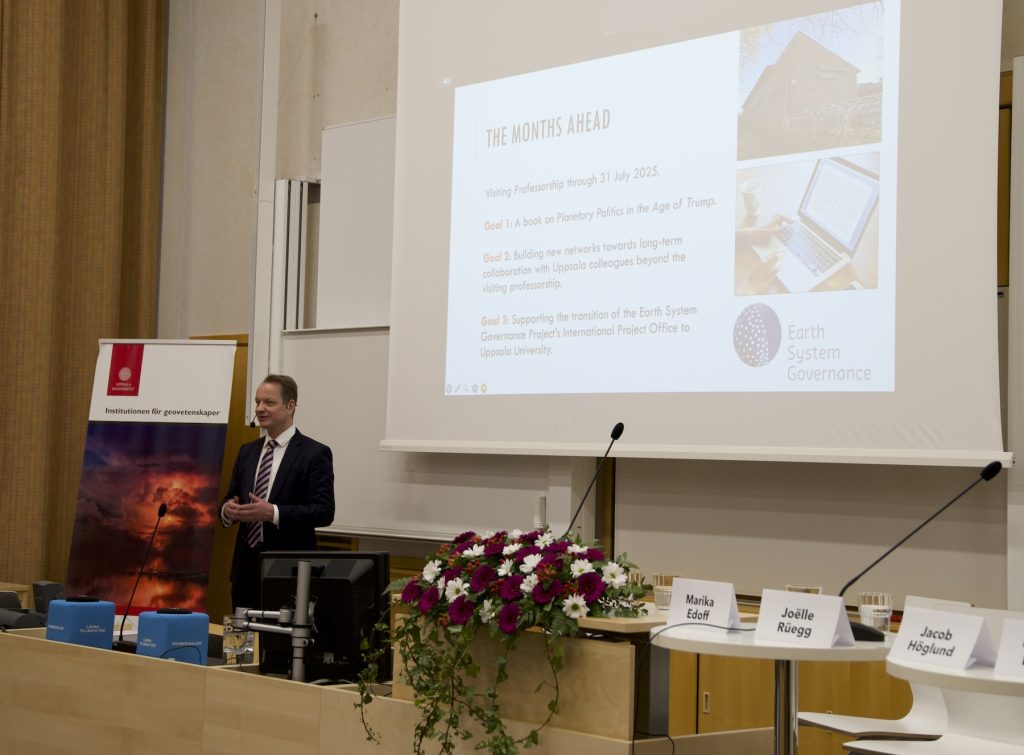
Frank Biermann holding his lecture “Planetary Politics in the Age of Trump”. Photos: Frida Öhman

In this changing geopolitical landscape, Biermann posed difficult questions about how the international community might continue to work toward sustainable development in the absence of willing superpowers. He suggested that new institutional architectures may be necessary that can operate with or without U.S. participation. He explored the possibilities of creating a layered UN and setting up institutions without the US and other similar countries, such as a Planetary Protection Council or a UN Sustainable Development Council.

He also raised the critical issue of funding. With the largest contributor to international development work stepping back, how can climate initiatives be financed? One proposal he explored was the introduction of a global aviation tax, perhaps designed to be progressive by targeting frequent flyers.

Beyond institutional design and finance, Biermann highlighted the problem of planetary justice. The climate crisis, he emphasized, is not an issue caused by humanity as a whole, but rather by a small proportion of the global population, the wealthiest ten percent. Addressing climate change, therefore, also means confronting entrenched inequalities. He concluded his talk by underlining the need to democratize global governance systems in an age when many governments are growing more authoritarian.

While in Uppsala, Biermann expressed his wish to contribute to the development of research networks that will endure beyond his professorship. He also plans to begin work on a publication that explores the politics of planetary governance in the era of Trump. In addition, he hopes to support and strengthen the Earth System Governance Project, which is a global network of hundreds of scholars that now has its International Project Office hosted at Uppsala University.

The climate crisis and scholar activism

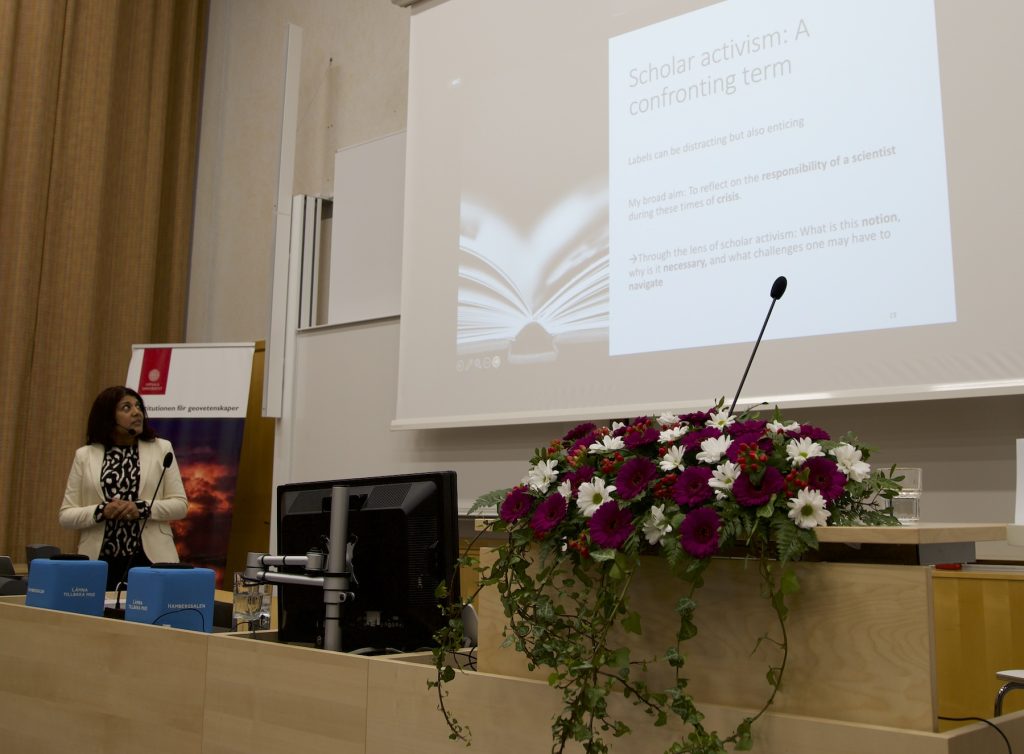
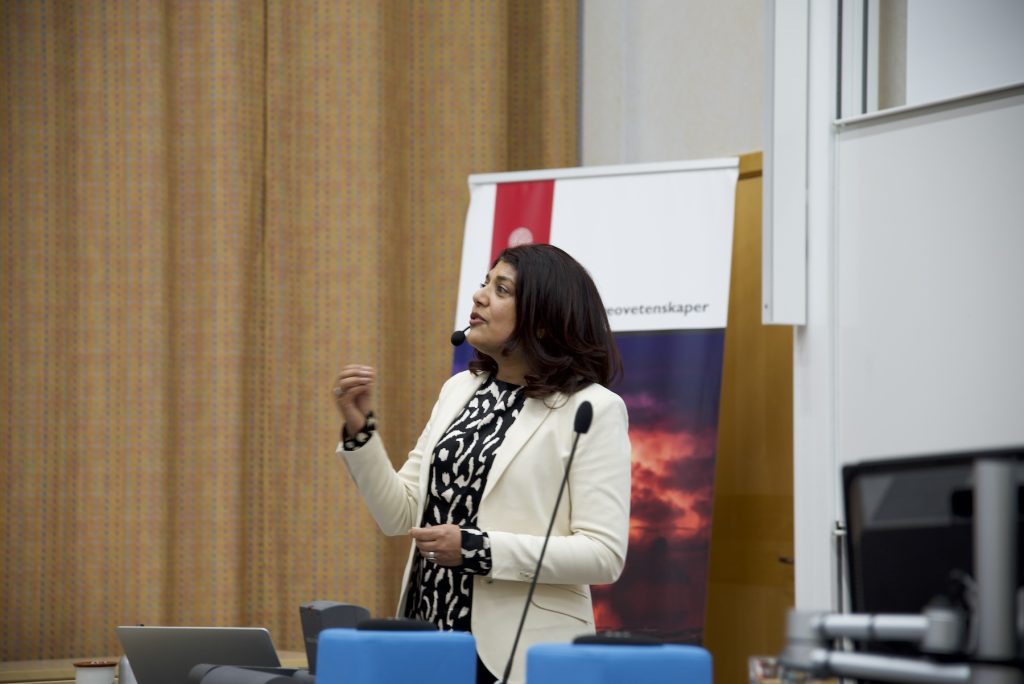
The second part of the lecture was delivered by Aarti Gupta, Professor of Global Environmental Governance at Wageningen University. She spoke about The Climate Crisis and Scholar Activism: The Necessity and the Challenges. She began by posing a series of urgent and provocative questions: What role should researchers play in today’s world? What responsibilities do scientists have in their engagement with society? And what can society rightfully expect from the scientific community?

Aarti Gupta during her lecture “The Climate Crisis and Scholar Activism: The Necessity and the Challenges.” Photos: Frida Öhman

Gupta argued that the time when researchers could remain in the ivory tower has passed. We are entering an era in which the boundaries between science and society are shifting, and scientists are increasingly expected to engage with public discourse, policy debates, and contested technologies. This shift, however, comes with its own set of dilemmas. What is the correct way to engage? How should scientists act when the science itself is uncertain or contested? What happens when scientists disagree on the best course of action?

These questions are particularly acute in the context of emerging technologies such as solar geoengineering. This is a technique that involves injecting aerosols into the stratosphere to reflect sunlight and reduce global temperatures. Gupta’s research focuses, among many other issues, on this highly controversial area and the ecological and geopolitical risks associated with the technology. In her view, this is a critical moment to engage with such issues. Once implementation begins, the space for deliberation may quickly disappear.

“Once a technology is developed, it will be deployed. History teaches us that.”

In response to the challenges posed by solar geoengineering, a platform of researchers has been formed, and an open letter has now been signed by over 540 scientists from 67 countries, calling for an International Non-Use Agreement on solar geoengineering. This initiative has aimed to reframe media narratives, influence policy arenas, and advocate for more ethically grounded and precautionary approaches.

Gupta also spoke about the personal and professional challenges that come with scholar activism. Engaging publicly in controversial issues can raise questions about credibility and polarization. The strain on time and resources is another issue. Yet she insisted that neutrality is not always an option. “We cannot afford to be pessimists,” she said, underscoring the importance of scholarly courage and ethical commitment and emphasising that “a critical perspective is the embodiment of hope”.

She plans to initiate a writing project and reading group during her time in Uppsala that will continue to explore these themes, deepening the conversation about the role of science in society and how we might collectively imagine a more just and sustainable future.

Panel discussion

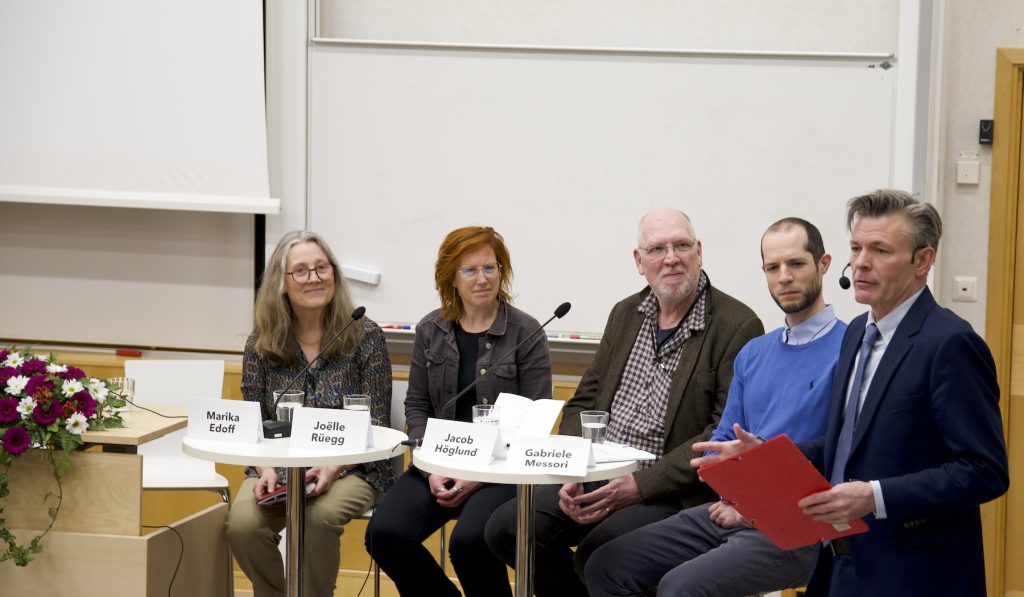
Following the lecture, a panel was convened to discuss The Triple Planetary Crisis in Science and Policy. In the panel were four Uppsala University professors:

  • Joëlle Rüegg, Professor of Environmental Toxicologyat the Department of Organismal Biology.
  • Marika Edoff, Professor of Solid State Electronics at the Department of Materials Science and Engineering, specializing in solar cell technology.
  • Gabriele Messori, ​ Professor of Meteorology at the Department of Earth Sciences.
  • Jacob Höglund, Professor of Animal Conservation Biology at the Department of Ecology and Genetics.
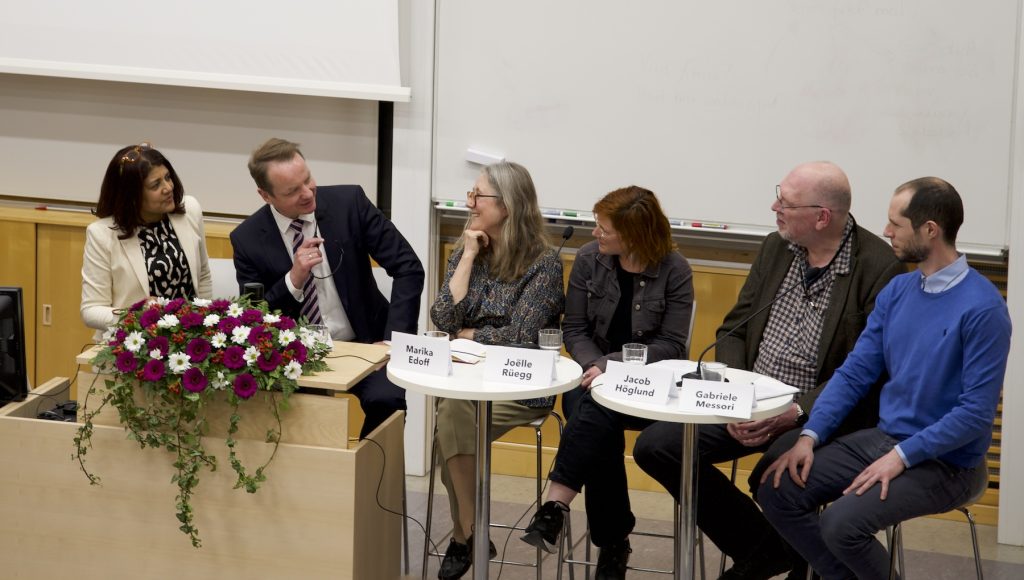
Panel discussion on the triple planetary crisis. From left to right panelists Marika Edoff (solar energy), Joëlle Ruëgg (toxicology), Jacob Höglund (biodiversity), Gabriele Messori (extreme weather) and moderator Mikael Karlsson. Photo: Frida Öhman

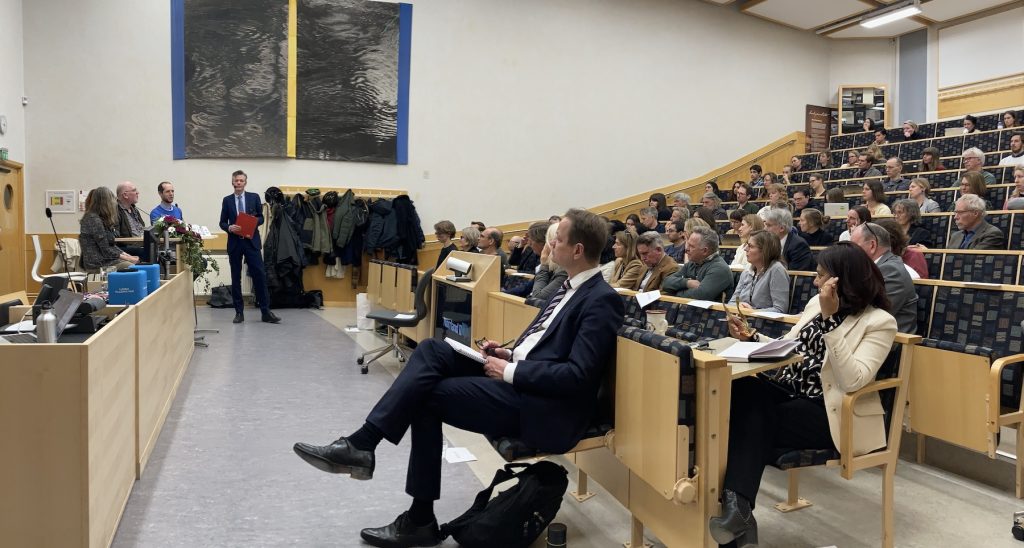
Moderated by Mikael Karlsson, Associate Professor in Environmental Science and in Climate Change Leadership at the Department of Earth Sciences, the panel discussed some of the issues raised in the lectures. This included the role of science in addressing climate issues, the question of scholarly activism, and how to deal with political backlashes and disinformation in our age of rising populism. Biermann and Gupta engaged in this lively exchange, and the audience was also given an opportunity to ask questions.

Zennström professors Frank Biermann and Aarti Gupta are visiting Uppsala University until July 2025. More photos and a recording of the event follow below.

The 2025 Zennström professors Frank Biermann and Aarti Gupta listen attentively to the panel discussion. Also in the audience: previous Zennström professors Sverker C. Jagers (2023) and Stacy VanDeveer (2024). Photo: Judith Lundberg-Felten

Frank Biermann, Niklas Zennström and previous Zennström visiting professor Stacy VanDeveer. Photo: Judith Lundberg-Felten

Aarti Gupta shares her reflections on the panel discussion. Photo: Frida Öhman

Frank Biermann reflects on the panel’s words. Photo: Frida Öhman

Aarti Gupta and Frank Biermann. Photo: Stacy VanDeveer

Mingle outside of Hambergsalen. Photo: Judith Lundberg-Felten

Frank Biermann. Photo: Frida Öhman

Aarti Gupta. Photo: Frida Öhman

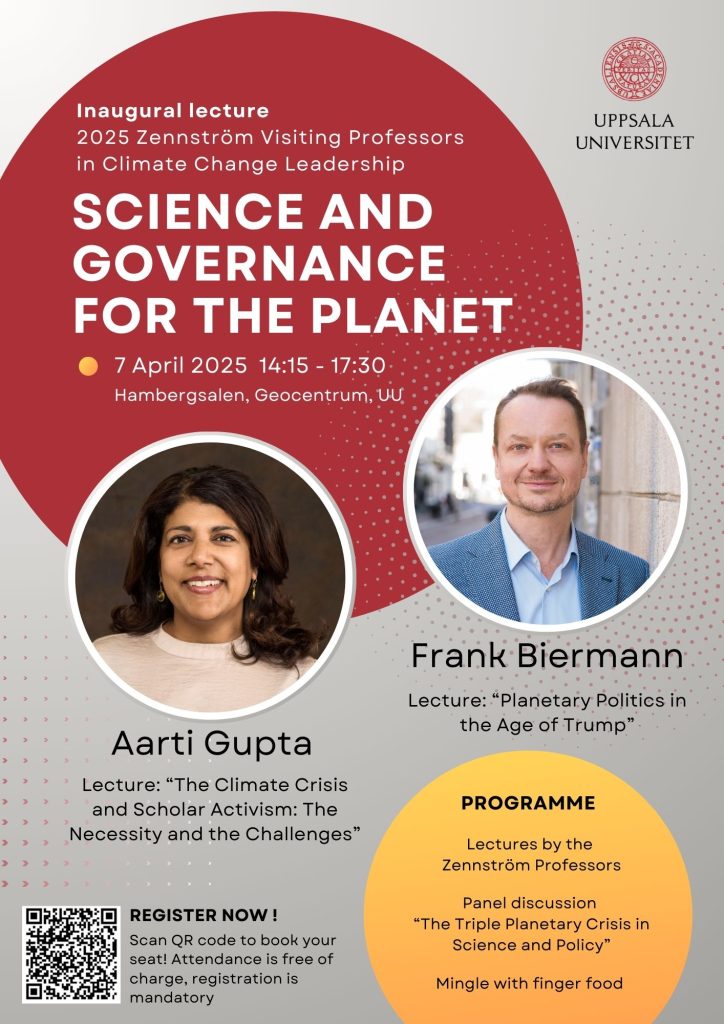
Inaugural lecture “Science and Governance for the Planet”

Welcome to the inaugural lecture “Science and Governance for the Planet” with Prof Aarti Gupta and Prof Frank Biermann, Zennström visiting professors in Climate Change Leadership and a panel discussion on the subject “The Triple Planetary Crisis in Science and Policy”.

Venue: Hambergsalen, Geocentrum, Villavägen 16, Uppsala

Date: Monday 7 April 2025


Programme

14:15 Welcome message by Anders Hagfeldt, Vice-chancellor Uppsala University

14:20 Lectures

Prof Frank Biermann “Planetary Politics in the Age of Trump” 

The planetary crisis of climate change, environmental degradation and unsustainable development is a defining challenge of the 21st century. Political solutions must navigate the rapidly changing real-world complexities, from the rise of transnational populist movements opposing environmental policies to the recent withdrawal of the United States from the Paris Climate Agreement. How can we imagine planetary politics in the “age of Trump”? This lecture explores today’s political dynamics, multilevel institutions and transformative policy options in global sustainability governance, aiming to sketch realistic approaches to planetary stewardship and governance amid geopolitical turmoil and growing anti-environmentalist backlash.

Prof Aarti Gupta “The Climate Crisis and Scholar Activism: The Necessity and the Challenges”

In addressing the climate crisis, what should be the role of the engaged scientist? What kind of science-society contract can help to address anticipatory challenges, such as climate change, where potential options to reduce climate impacts might be accompanied by uncertain and unknowable future risks, harms or benefits, which will manifest in a highly unequal and geopolitically tense world? What if scientists fundamentally disagree about these options? There is an urgent need, I argue, for scholar activism in this context of contested science. I discuss in this lecture how I have sought to engage with this need, both conceptually and in practice.

15:00 Panel discussion: The Triple Planetary Crisis in Science and Policy with Uppsala university professors Joëlle Rüegg, Gabriele Messori, Marika Edoff and Jacob Höglund, Moderator: Mikael Karlsson

16:00 Discussion with all participants and the audience

16:30 – 17.30 Mingle with snacks


Last day to sign up 27 March 2025

Participation is free of charge but registration is mandatory.

Sign up here: https://doit.medfarm.uu.se/bin/kurt3/kurt/8883108 


Ny kurs “Klimatomställning i små och medelstora företag”

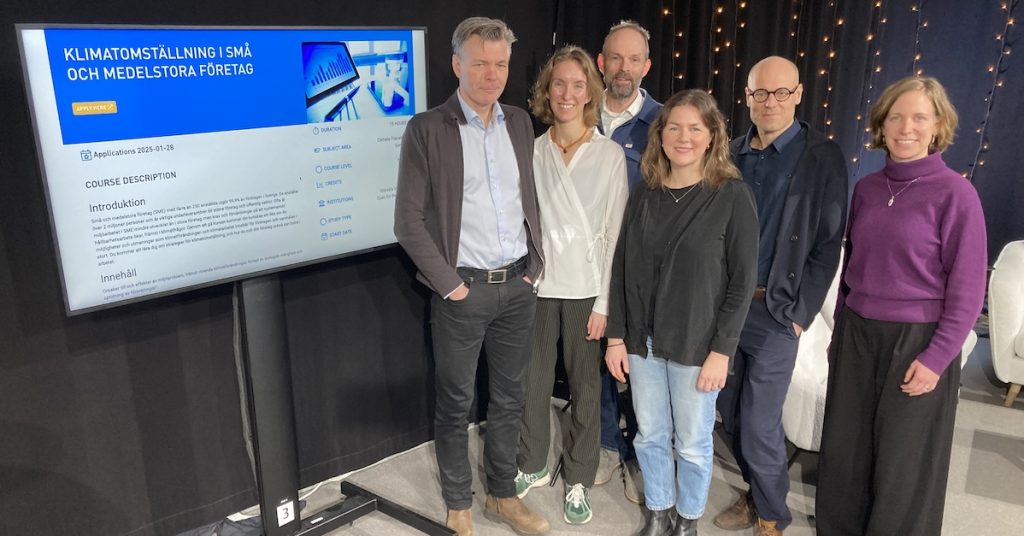
I inspelningsstudio Blåsenhus. Från vänster till höger: Mikael Karlsson, Anna Berg Grimstad, Peter Henriksson, Frida Öhman, Daniel Lindvall, Judith Lundberg-Felten

Förberedelse för ny kurs för företag på gång

I början av februari spelade vi in material på Studio Blåsenhus till vår nya nätbaserade kurs “Klimatomställning i små och medelstora företag“. Kursen riktar sig till yrkesverksamma personer i näringslivet (framförallt i SMEs), är avgiftsfri och du läser den i egen takt precis när det passar dig. Kursmaterialet kommer att vara tillgängligt från och med 17 mars.

I kursens föreläsningar och samtal möter du Mikael Karlsson, Daniel Lindvall, Frida Öhman, Anna Berg Grimstad och Judith Lundberg-Felten från CCL, samt Peter Henriksson från 2050 Consulting

Du kommer att lära dig om
– Orsaker och konsekvenser av klimatförändring
– Internationell och nationell klimatpolitik
– Strategier för hållbarhet och omställningsarbete i företag
– Verktyg och praktiska klimatåtgärder i företag, framförallt SMEs

Kursen finansieras av regeringens satsning “Öppet för klimatet – grön omställning” via Uppsala Universitet.

Anmäl dig här.

Ny doktorandtjänst i samarbete med Uppsala kommun

Vi söker dig som vill bli doktorand hos oss på CCL i samarbete med Uppsala kommun och bidra till klimatomställning och klimatledarskap i ett lokalt perspektiv.

Du kommer att studera kommunala strategier i form av styrmedel, insatser samt processer för delaktighet, där kommunen utgör testbädd. På så vis sammanlänkas forskningen och det praktiska samhällsbygget och du arbetar i gränslandet mellan akademi och kommun.

Till uppgifterna hör att bidra till och undersöka medborgardialoger, att genomföra enkätundersökningar och experiment rörande legitimitet och acceptans för omställning, samt fallstudier av konkreta insatser för minskad klimatpåverkan. Projektet kopplas till det nationella forskningsprogrammet Navigate som CCL är del av, samt till kommunen och dess verksamhet. Forskningen är både kvantitativ och kvalitativ. Inom ramen för projektet ska doktoranden arbeta 20 procent på Uppsala kommun.

Läs hela annonsen och sök jobbet senast 18 februari 2025 här:

https://uu.varbi.com/se/what:job/jobID:792352/

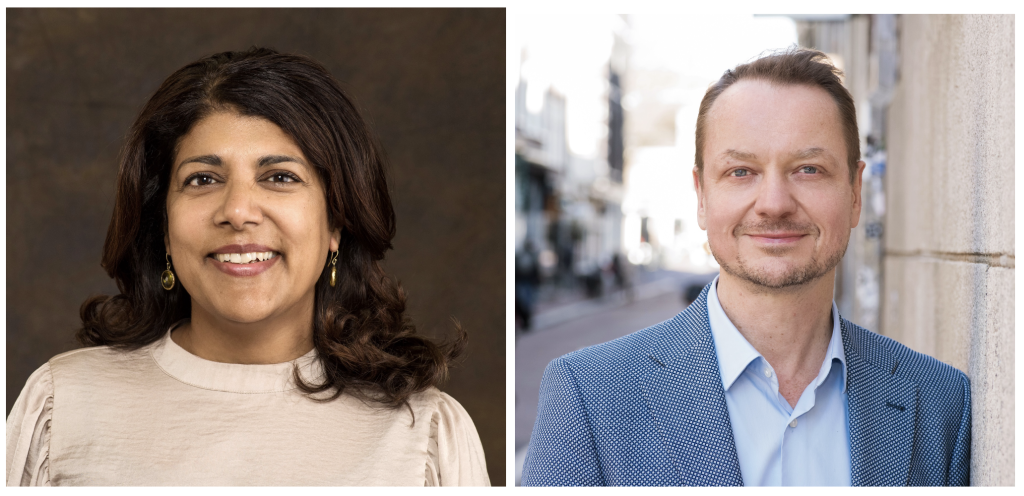
Aarti Gupta and Frank Biermann new Zennström visiting professors 2025

Aarti Gupta and Frank Biermann. Photo: Unmask Photography


Professor Aarti Gupta from Wageningen University and Professor Frank Biermann from Utrecht University are the new Zennström Visiting Professors in Climate Change Leadership 2025 at Uppsala University. For the first time, two professors will simultaneously hold the visiting professorship.

Gupta and Biermann will be at Uppsala University from March to July 2025 and will be placed at the Department of Earth Sciences within the Climate Change Leadership Unit that is part of the Natural Resources and Sustainable Development programme. 

Read more about their research and their aspiration with their appointment at Uppsala University. 

Can financial compensation or democratic participation enhance wind power acceptance?

In recent years, wind power has become increasingly cost-competitive and offers prospects for Sweden to phase out fossil fuels from the energy system. Many wind power projects are stalled, however, due to local opposition.

In an article recently published in the journal Energy Research and Social Science, Daniel Lindvall at Uppsala University and Patrik Sörqvist and Stephan Barthel at Gävle University explored if different types of financial compensation or democratic participation can enhance wind power acceptance, using a large-scale survey in Sweden. The study confirms that Swedes are very supportive of wind power. Nearly 75 percent of the respondents support the development of onshore wind farms. Still, one in four Swedes would not like to have wind turbines built near their homes.

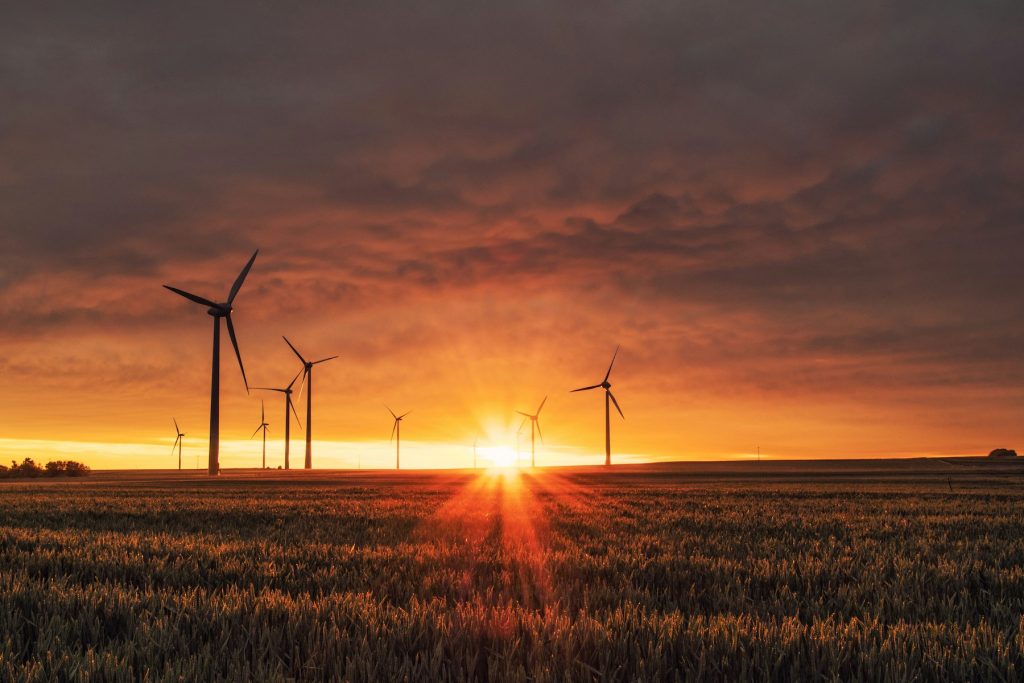
Wind power stations on a field in the sunset
Photo by Karsten Würth on Unsplash

The most effective policy option on general attitudes is to require wind power developers to pay property taxes to the host municipality. Those who are generally negative to wind power prefer, however, to receive personal financial compensation. While the results suggest that compensation could help mitigate resistance, negative attitudes towards wind power are primarily driven by ideological beliefs, low environmental concern, and a lack of political and governmental trust. Regardless of the type of compensation offered, individuals who express strong conservative ideological views (TAN-values) will most likely continue to resist wind power development.

The findings demonstrate that the proposals presented by Swedish government inquiry in 2023, Värdet av vinden, might help to enhance the support for wind power. Still, the article also demonstrates that there is no a silver bullet against negative attitudes to wind power.

The research was conducted within the research project Fairtrans, financed by Formas and Mistra.

Read the entire article: Lindvall D, Sörqvist P, Barthel S: Overcoming the headwinds: Can policy design shape public acceptance of wind power in Sweden? Energy Research & Social Science, Volume 116, 2024

« Older posts