
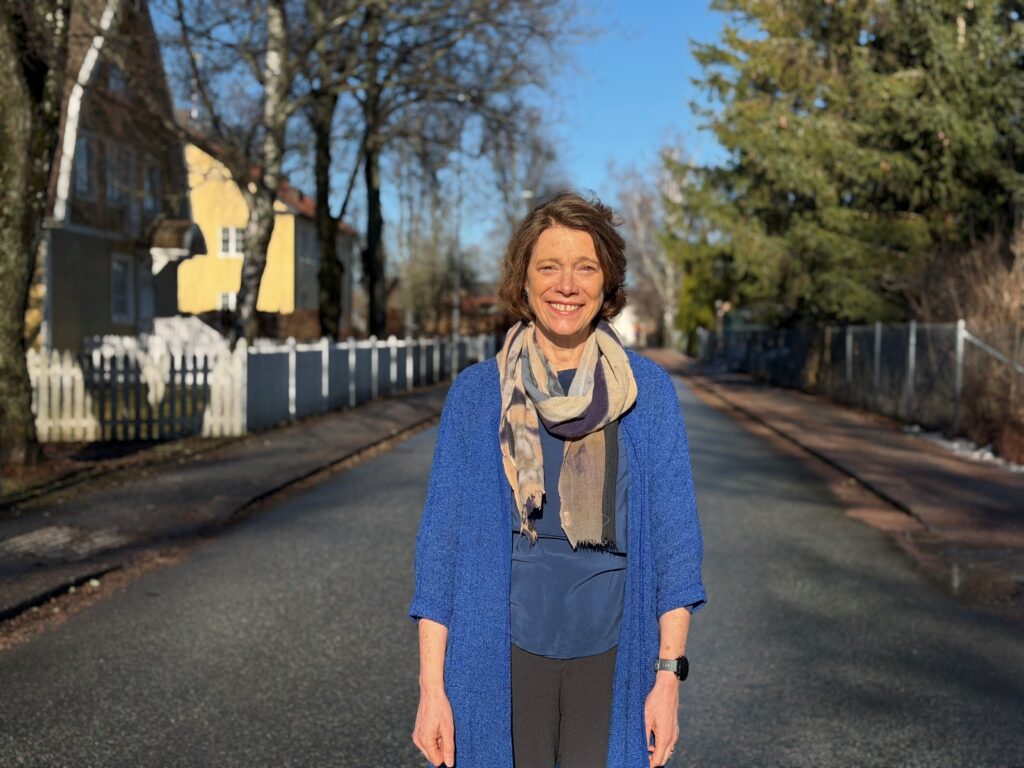
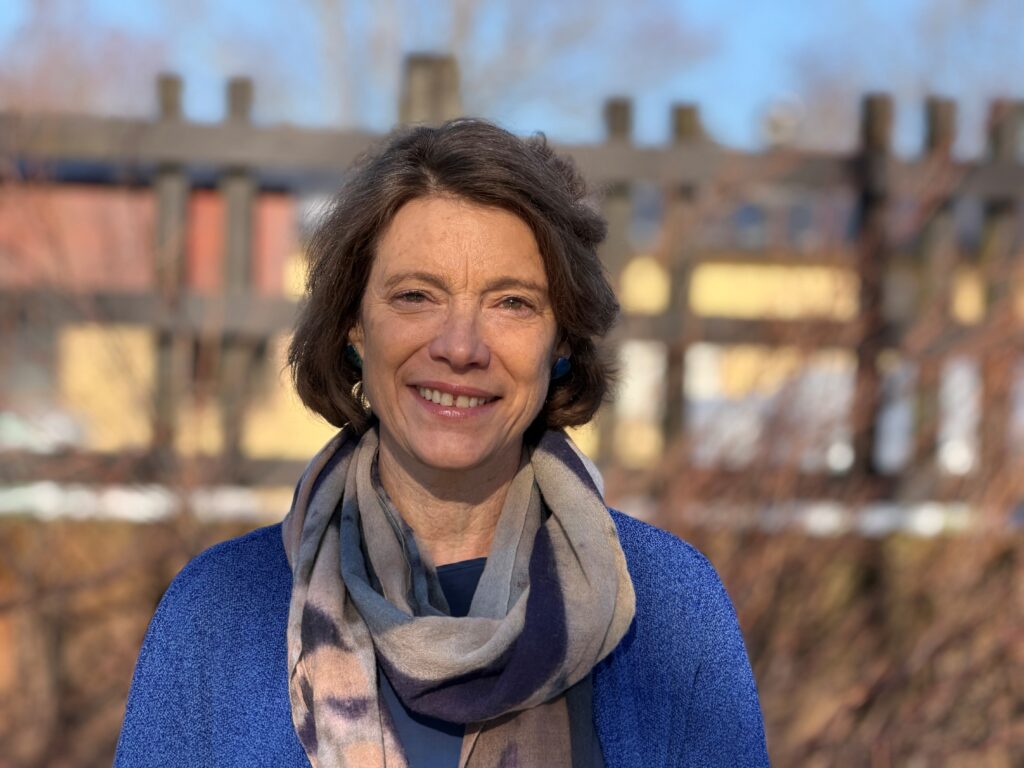
On 2 March 2026, Karen O’Brien has taken up the position of Zennström visiting professor in Climate Change Leadership at Uppsala University. Karen is Professor Emeritus at the Department of Sociology and Human Geography at the University of Oslo and is internationally recognised for her work on how climate change affects people and societies.
Social and human dimensions of climate change
Karen’s research focuses on the social and human dimensions of climate change and its consequences for human security. Karen is also co-founder of cCHANGE, an organisation that supports society’s engagement in the transition to sustainability. With Karen O’Brien on board, Uppsala University gains a climate researcher who not only highlights the problems, but also provides clear, practical advice on how individuals and communities can act to meet the challenges of climate change.
Through her research Karen aims to find answers to the questions:
- How can societies adapt to changes that are already happening, such as extreme weather and environmental risks?
- How can our everyday habits and values change to support more sustainable lifestyles?
- How can organisations and local communities become more flexible and creative in their solutions?
Contribution to international climate and biodiversity panels and assessments
Karen O’Brien has contributed to several of the UN Intergovernmental Panel on Climate Change (IPCC) reports, in which researchers from around the world compile facts about the climate and how it affects people, communities and nature. The IPCC helps decision-makers with knowledge about risks, future scenarios and possible measures to reduce emissions and adapt society to a warmer climate. In her reports, O’Brien has contributed with knowledge about how social and cultural factors affect climate action and adaptation.
Karen has also been a co-chair of the Transformative Change Assessment by the Intergovernmental Science-Policy Platform on Biodiversity and Ecosystem Services’s (IPBES). The assessment analyses the underlying causes of biodiversity loss and the fundamental societal changes needed to achieve the 2050 Vision for Biodiversity, which describes a world where “biodiversity is valued, conserved, restored and wisely used, maintaining ecosystem services, sustaining a healthy planet and delivering benefits essential for all people”. The report provides guidelines how such change can be achieved, identifies barriers to change, and what practical strategies and actions can promote equitable and sustainable transformative change globally.
Climate Leadership – from small steps to systemic change
Malin Eivergård, communicator at the Department of Earth Sciences, has interviewed Karen upon her arrival to Uppsala. Below we share Karen’s answers on climate leadership, communication, agency and responsibility.
What does climate leadership mean to you in today’s political and social climate?
Climate leadership means acting with integrity based on a recognition that we are one with nature in a way that acknowledges the justice dimensions of climate change — including intergenerational justice. Today, when few people in positions of authority seem willing to take climate change seriously, we need individuals, communities, organizations, and businesses to be climate leaders.
During your time as Zennström Professor, what kind of impact do you hope to make at Uppsala University?
I hope to discuss perspectives and approaches to transformative change and how they can be translated into action. I’d also like to learn more about how faculty, staff, and students are building bridges between knowledge and action.
What is the biggest misconception about societal transformation in the climate transition?
We often dismiss small and incremental changes as unimportant, when in fact small changes can make a big difference when they address the underlying causes of climate change and nature’s decline.
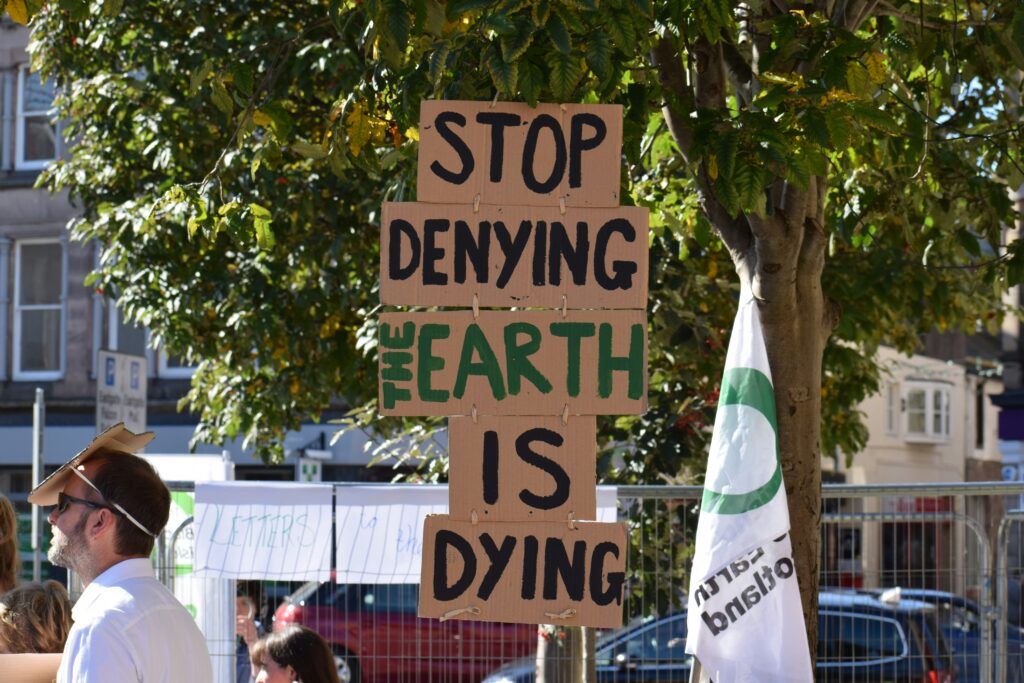
Why climate denial persists — and how to respond
How do you view the rise of climate denial and climate skepticism?
The rise can be linked to the systematic spread of disinformation and misinformation, and to our failure to create a compelling narrative that recognizes people as the solution to climate change, rather than the problem. When we reduce people to their climate footprints and insist that they need to change, we overlook their agency and potential to contribute to systems change.
Why do you think some people resist or reject climate science?
There are many reasons, including cognitive lock-in and vested interests. In general, however, it is easier to look at the world through our current beliefs and assumptions than it is to question them and open our minds to other possibilities. It’s not surprising, as the willingness to be wrong takes some humility, but it is nonetheless harmful.
How should researchers and leaders respond to climate denial without deepening polarization?
Asking questions, listening to people’s answers, and sharing data, information, and examples that they can relate to is often more helpful than telling people what to think. People tend to see and defend what they already believe, and this can reinforce polarization.
Is it still meaningful to engage with climate deniers, and if so, how?
I believe it is meaningful because climate deniers often include family members, friends, neighbors, and colleagues; we often limit ourselves to speaking with people who already care about climate change. But it is also important to engage with the sources of disinformation and misinformation, recognizing that climate change challenges some worldviews and threatens the interests of those who benefit from the status quo, which includes many of us.
Stories, values, and the power of climate communication
How important is communication in advancing climate action and climate leadership?
It’s essential. And it is more effective when we connect it to the values that we care deeply about and help people .
What distinguishes effective climate communication from communication that fails?
Effective communication involves both speakers and listeners (and writers and readers). To advance climate action, we must communicate authentically and listen in ways that connect with people and what they care about – not just what we care about. Effective communication often involves stories that encourage inquiry and reflection. One-way channels that convey climate information tend to fail.
How can universities better translate scientific knowledge into societal change?
There has been a shift away from translation of research towards knowledge co-production, but research itself still tends to be very abstract and jargony for many. The arts can play an important role in helping people to engage with and interpret research.
What role do narratives, values and emotions play in communicating climate science?
The three are closely related: communicating a compelling narrative about climate change that connects to people’s values can evoke emotions that motivate action. The presentation of research results in a neutral, dry manner usually often works better for academic audiences than for mobilizing action.

How we care for ourselves and what we care about can create agency
You often speak about human agency. What does that mean in a time of climate fatigue? It’s easy to feel tired and burnt out, especially when we do not see the results that we wanted.
To have agency in a time of climate fatigue involves recognizing that we matter and make a difference, even if we do not see immediate outcomes and impacts. Still, it’s important not to become martyrs and burn out. We are part of a collective, and sometimes it’s essential to step back and take care of ourselves, including our mental and physical health and our relationships. Individual sustainability and global sustainability are linked, and we need regenerative approaches to both.
What responsibility do researchers have beyond publishing scientific results?
It’s easy to feel that our impact is limited to projects, publications, and citations. But impact can include engaging people in conversations, talking to the media, establishing relationships of trust, and being part of initiatives related to the things we care about – music, art, sports, children’s education, gardening. In other words, researchers have an opportunity to convey climate science across their multiple spheres of influence.